Diving in Medes Islands
Why dive here
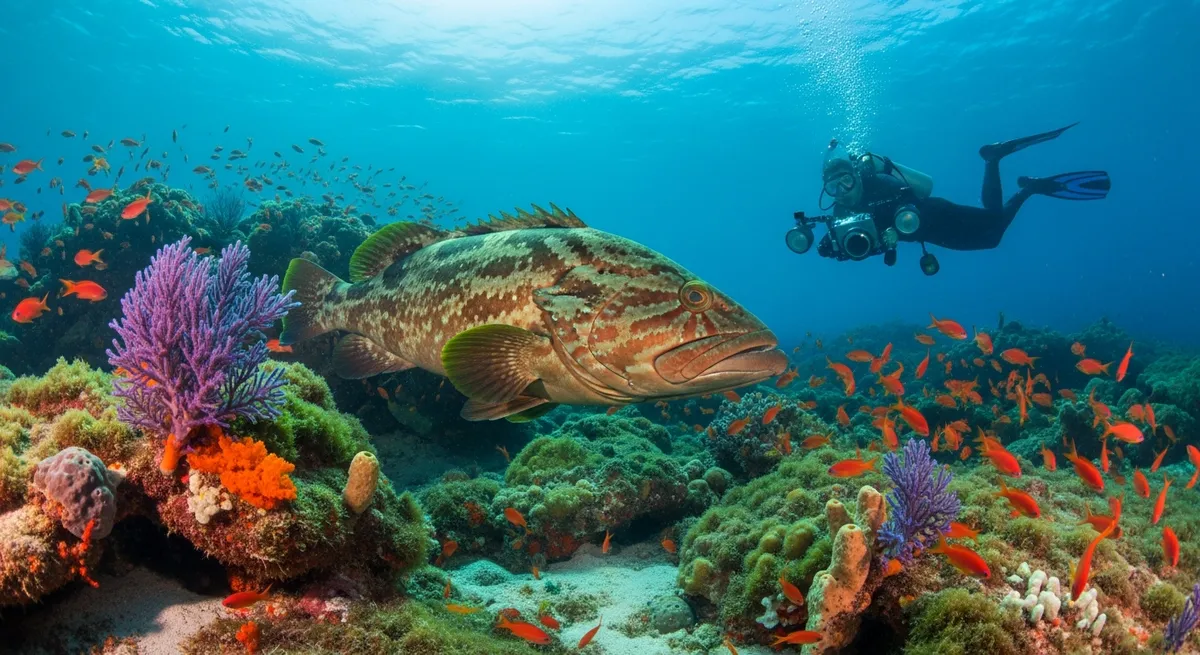
Medes Islands offers some of Spain's richest diving, with 77+ marine species recorded in the area - including blue sharks, dolphins, ocean sunfish (mola mola), octopuses and sea turtles. Water ranges 13-23°C, warmest July, August, September.
The Medes Islands, just off the Costa Brava, really deliver for Mediterranean diving. We love the sheer density of fish here, a welcome change from some quieter Med spots. Diving around the protected islands means you’re often finning alongside enormous groupers, some so large they barely stir as you pass. Barracuda schools often hang in the blue, catching the light, and octopus seem to peek from every crevice. Our favourite time to visit is late spring or early autumn. The water’s still warm, the crowds are thinner, and the visibility can be absolutely glorious, stretching to 20 metres on a good day. There's a decent chance of spotting a loggerhead turtle cruising past, especially near the deeper walls. Don't miss the chance to explore some of the caves and tunnels; we find the light filtering in creates an ethereal atmosphere. Just keep an eye on the currents, which can pick up a bit around the pinnacles, particularly after a strong easterly wind.
Medes Islands Dive Site Map
Dive sites and dive centres in Medes Islands
Medes Islands Dive Sites
164 dive sites in Medes Islands
Abyss Garden
Abyss Garden. The name sounds deep, doesn't it? And it is, in character if not always in absolute depth. What we love about this site in the Medes Islands is how the wreck of the Reggio Messina isn't just a hunk of metal, but a real, living, breathing structure. It’s a former cargo ship that sank in 1993, now completely reclaimed by the sea. You'll find the wreck broken into two main sections. The bow lies closer to the shallows, around 20-25 metres, and the stern section drops a bit deeper, down to about 30-35 metres. We usually start at the deeper end, letting the currents – which can be pretty feisty here, especially in spring – carry us gently towards the bow. The light filters down, creating these incredible shafts through the structure. Look for the massive schools of damselfish that pulse around the superstructure, almost like a separate, shimmering skin. Our pick for exploration is the engine room, if you're comfortable with a bit of penetration. It’s not a tight squeeze, but a torch is essential. Inside, the red coral absolutely explodes, creating these vibrant splashes of colour against the rusted steel. Outside, keep an eye out for marbled electric rays resting on the sand, and we’ve even spotted seahorses clinging to the Mediterranean tapeweed near the anchor chain. It’s a site that really rewards a slower pace, letting you soak in the transformation from man-made to natural habitat.
Aiguablava
Aiguablava in the Medes is a site we keep coming back to. It’s not the dramatic drop-offs of other spots, but it holds a quiet magic. You'll find yourself drifting along a gently sloping reef, maybe 15-20 meters deep, where the light plays beautifully through the water. We often spot brown combers peeking from rocky crevices, and it’s one of our favourite places to hunt for Sanzo's gobies – those tiny, iridescent flashes on the sand. What truly sets Aiguablava apart is its consistent calm and the sheer number of those smaller, often overlooked species. We’ve logged seahorses here more than once, tucked into seagrass patches, and the rockling seem to pose for the camera. The red mullet are always busy foraging, stirring up little clouds of sand. It's a dive that rewards slow, observant movement, perfect for photographers or anyone who just wants to soak it all in without fighting a current. Go early, before the boat traffic picks up; the peaceful morning light makes a real difference.
Aigua Xelida
Aigua Xelida is one of those Mediterranean dives we always look forward to, a spot that really captures the vibe of the Medes Islands. The entry can feel a bit exposed on choppier days, but once you’re down, that slight surge just adds to the atmosphere. We love the way the light filters through the water, illuminating the walls, often painted with a rosy glow from the red coral. Keep an eye out for the slender rockfish tucked into crevices and those deep-body pickarel scuttling across the sand. It’s an easy drift most days, and the visibility tends to hold pretty well, often 15 metres plus. Our favourite part is finding the yellow barracuda hanging out in the bluer water, always a bit of a surprise. We’d suggest going in the late morning, after the initial rush, when the sun hits the reef just right. You’ll also spot morays peeking from their holes and common lobsters moving slowly over the rocks. We often joke about trying to spot every one of the 238 species recorded here, but even a handful makes for a great dive. This site really suits divers who appreciate a relaxed pace and enjoy exploring the smaller details rather than chasing big pelagics.
Amphores du frioul
The Amphores du Frioul, a name that always makes us think of ancient secrets, sits within the Medes Islands reserve and absolutely delivers on that promise. We always recommend this site for its historical feel mixed with healthy Mediterannean reef life. Drop down and you’re immediately among huge boulders, creating a maze of swim-throughs and small caverns that beg exploring. The light filtering through the gaps is something else, especially around midday. Look closely in the cracks and overhangs; we’ve spotted red coral pushing out from the shadows and those impossibly delicate tall sea pens swaying with the gentle surge. It's not just the structure, though. Green wrasse are everywhere, darting between the rocks, and we've often seen schools of annular seabream shimmering past. If you’ve got a good eye, keep an eye out for common pipefish camouflaged against the seaweed or, if you’re really lucky, a seahorse clinging to a gorgonian. The blend of history – those ancient amphora fragments scattered across the seabed – and the natural beauty of the Medes makes this a truly special dive. It’s a site that rewards slow exploration, perfect for photographers or anyone who enjoys feeling like an underwater archaeologist.
Andromède
Andromède is a classic Medes Islands dive, one we always try to hit when conditions are right. You’ll find it on the outer edge, which means it sometimes gets a bit of a wash, but that’s often when the really interesting stuff comes out to play. Drop down onto the rocky slope and keep an eye out for those big schools of sprats, often thick enough to dim the light coming from the surface. We love cruising along the wall, spotting the common octopus tucked into crevices, their eyes watching you as you pass. It’s a site that rewards a slow poke, someone who likes to peer into every crack, searching for eels or even a pale lucina. If you catch it with good visibility, you’ll understand why it’s a favourite; the light filtering through the fish schools is quite something. It’s definitely more for the experienced diver comfortable with potential currents, but when it’s calm, it’s a fantastic drift.
ANGELA
Angela. Our kind of wreck. Not some deep, dark technical challenge, but a proper, accessible piece of history sitting upright in just eight metres of water. We love the way she’s split in two, bow and stern separated, creating this fantastic swim-through corridor that's become a busy apartment block for so many creatures. You’ll feel the slight surge pushing you gently through the gap, a cool current often carrying tiny jellies past. The Medes Islands can get a bit wild with currents sometimes, but Angela, tucked in close to the main island, usually offers a pretty calm dive. We always find moray eels peeking from every hole, and those little iridescent cardinalfish shimmer in the darker sections. It’s a photographer's dream on a sunny day, with shafts of light piercing the surface, illuminating the deck and the swarms of damselfish darting amongst the broken sections. A perfect second dive, or for anyone who just wants to spend some quality time exploring a proper wreck without the pressure of depth.
Arche du plannier
Arche du Plannier, now this is a Medes classic we always make time for. It’s more of a swim-through than a true cave, which means we’re not hauling heavy cave gear, just enjoying the ride. The main draw here is the light, or the lack thereof, then the sudden explosion as you emerge. We love dropping down to the arch entrance, maybe 15 metres or so, then just drifting through. Inside, the walls are covered in those deep Mediterranean reds – the red coral here is a real treat, glowing under your torch. Look closely for pale lucinas and maybe a lurking dogfish if you're lucky. It’s a site that really makes you feel the cool embrace of the Mediterranean. The contrast between the shaded interior and the bright blue outside is incredibly dramatic, a real feast for the eyes. We’d suggest going in the late morning, around 10 or 11, when the sun is high enough to really penetrate the water and create those incredible light beams. Keep an eye out for ornate wrasse flitting about the entrance. It suits divers who appreciate a good visual spectacle and don't mind a bit of current to spice things up – it can get a bit pushy sometimes, but that just adds to the adventure.
Arroyo
Arroyo, for us, is one of those Medes sites that truly delivers. You drop in and immediately feel the cool, clear water wrapping around you. The rock formations here are just phenomenal, riddled with swim-throughs and small caverns that beg to be explored. We love watching the brown combers darting between the crevices, and if you’re patient, you might spot a sneaky scorpionfish perfectly camouflaged against the rock. The real magic happens when you slow down and really look. Little Devonshire cup corals glow orange in the shadows, and tiny red snapping shrimp click away inside their hidey-holes. We’ve even seen the odd cuckoo skate glide past the sandy patches. It’s not a site for big pelagic hunters, though a blue-white dolphin sighting isn't out of the question – more for those who appreciate the intricate details of a healthy Mediterranean reef. Our tip? Go early. The light filtering through the water is just gorgeous, and you’ll often have the place mostly to yourselves before the day boats arrive. Arroyo is a perfect dive for divers who enjoy taking their time, photographers, and anyone who appreciates the subtle beauty of a vibrant, healthy reef system.
Atoll Plongée
Atoll Plongée, sitting within the Medes Islands, always brings a smile to our faces. It's not the deepest dive, but we consistently find ourselves mesmerized by the sheer number of dusky groupers here. They're big, bold, and often curious, making for some excellent photo ops. We love drifting along the reef edge, watching the common cuttlefish perform their hypnotic color changes, a truly underrated spectacle. Keep an eye out for the European fan-worms swaying gently in the subtle current, their feathery plumes filtering the water. The real magic happens when you find a sheltered spot and just watch the reef ecosystem at work. Pink sea fans add splashes of vibrant color against the rock, and if you're patient, you might spot a nimble Scale-rayed Wrasse zipping between the coral. We'd suggest going in the morning; the light penetration is just beautiful then, really highlighting the texture of the bushy coral. This spot is perfect for divers who appreciate a relaxed pace and want to soak in the Mediterranean's unique charm, rather than chase big pelagics. It’s got a lovely, laid-back vibe.
AUDIERNE
Audierne isn’t your typical Medes Islands dive, and that’s precisely why we love it. Forget the dramatic rock formations for a moment; this is a proper wreck dive, sitting upright and mostly intact at a comfortable 16 metres. It’s an old mobile crane vessel, scuttled back in the 90s, and it’s had plenty of time to really settle into its role as an artificial reef. We always make a point of dropping down to the bow first. The structure here is fantastic for exploring, with plenty of nooks and crannies to peer into. You’ll find moray eels tucked deep inside, just their heads visible, and clouds of damselfish swirling around the main crane structure. It’s pretty shallow, so you get decent light penetration even on a cloudy day, which makes the whole place feel less imposing than some deeper wrecks. Our favourite part has to be the deck area; it’s covered in jewel anemones, creating these incredible bursts of colour against the rusted metal. It’s a great site for photographers looking for something a bit different, and it’s calm enough for divers who are just getting comfortable with wrecks.
Badia de Tamariu
Badia de Tamariu is a brilliant surprise, a spot we head to when we want something a little different from the usual Medes Islands fanfare. It's not about dramatic walls or huge pelagics here; instead, it’s a calm, shallow bay that offers some truly rewarding macro opportunities and a chance to slow down. We love dropping in and letting our eyes adjust to the details. Look closely among the rocky crevices and the scattered seagrass, because that’s where you’ll find the real stars. We’ve had incredible luck spotting curled octopus peeking out from their dens and stout bobtail squid practically posing for photos. The spotted dragonets are a constant delight, too, scuttling across the sand. For us, the highlight often comes after sundown, when species like hake and dogfish become more active – a night dive here is a completely different world, especially when you catch the subtle glow of pearlfish. This site is perfect for photographers, particularly those with a keen eye for smaller critters, and newer divers will appreciate the calm conditions. It’s also a great spot to simply practice buoyancy without fighting a current. Our advice? Go slow, really slow. Take your time combing the nooks. You might just find a seahorse or a patch of vibrant red coral you’d otherwise swim straight past.
Barda de Fitor
Barda de Fitor is a cracking wall dive. We love the way the reef just drops away, a proper vertical face that feels a lot deeper than it actually is. Look closely, and you’ll spot those elusive Spotted Dragonets flitting about the lower sections, often near the sandy patches at the base. It’s also one of our favourite spots for a conger eel encounter; they’re often tucked into the deeper crevices, sometimes with a Pearlfish peeking out from their mouth. The Red coral here is particularly striking, splashes of colour against the rock. Keep an eye out for Ribbonfish in the blue, though they’re a rarer treat. This site is brilliant for divers who appreciate dramatic topography and enjoy hunting for the smaller, more unusual stuff. It's a great place to slow down and really observe.
Show all 164 dive sites in Medes Islands
- Barda de l'Illa Negra
- Barda de Pere el Flaquer
- BARTOLO
- Baume Rousse
- BETTINA
- Boia dels Ulls de Llop
- Bosse du Chameau
- Boué Bora
- Cala d'Aiguafreda
- Cala de Cap sa Sal
- Cala de sa Riera
- Cala des Tramadiu
- Cala maussana
- Calanque de Figuerolles
- Calanque des Contrebandiers
- Calypso Diving
- Canons de Tamariu
- Cap de Begur (Buceig)
- Carall Bernat
- Cathédrale
- Cavau
- Centre de Loisirs des Goudes
- Centre UCPA - Niolon
- CESMM
- CHAOUEN
- CIP Le Lavandou
- Club de plongée d'Agay
- Club d'Escafandrisme Sasba
- CMCAS Plongée
- Cova de la Reina
- DALTON
- Dattier
- DERNA
- DICK
- Dolfi Nord
- Dolfi Sud
- DUGUAY-TROUIN
- Dune
- Eden Dive
- el Medallot
- el Reggio
- el Rossinyol
- el Salpatxot
- Émergence du Bestouan
- ETYLENE (FWD PART)
- Exsurgence de Port-Miou
- Furió d'Aigua Xelida
- Gabiniėre Est
- GORIZIA
- G.P.E.S.
- Grand Congloué
- GRASM - CEFERAS Centre de plongée
- Grotte à corail
- Grotte Arc en Ciel
- Grotte de la Triperie
- Grotte Mystérieuse
- HMS Sportsman
- House Reef
- Iles des moyades
- Immersion Plongée
- Impérial de Terre
- Impérial du Large
- Impérial du Milieu
- IOANNA
- Junker 88
- Kenavo
- Ker-Bihan
- KLEBER
- KLEBER
- KrakenDive
- La Dent de Requin
- La drome
- la Ferriola
- la Pedra de Déu
- la Pedrosa
- la Pota del Llop
- la Vaca
- Le Chaouen
- Le Dalton
- Le Doris Plongée
- Le Liban
- L'Enfant et la Mer
- L'Enfer de Taillat
- Les Alzines
- Les Brisés
- L'Escale
- Les Canons
- Les Capelans
- Le Sec Aux Murennes
- les Ferranelles
- Les fromages
- Les Quairolles
- les Salines
- Les Veyrons
- Le Tromblon
- LIBERTAD
- Medes Islands Marine Reserve
- Messerschmit
- Michel C
- MIDDLEBURY VICTORY
- Moyadons
- Mustang P51
- Negre del Falaguer
- Nord Ratoneau
- OBERON
- PADUA
- Petit Sec
- Pierre de Briancon
- Pierre fendue
- Pinassen
- Plongeoir
- Prophète
- P.T. 555
- Punta des Plom (Buceig)
- Rabiou, Arche
- Rabiou, La Cathédrale
- Ramon Membru
- Roca Montiell
- Roche Fouras
- Roche Michel
- Rocher de la Garde (les Sardinaux)
- Rubis
- SAINT CHRIST
- Saint Dominique
- Saint-Mandrier Plongée
- SAMSON
- SANCTA NELLA
- sa Tuna
- Sèche à l'Huile (les Sardinaux)
- Sèche Salagru
- S'Encalladora
- Sentier marin archéologique d'Olbia
- Société Nautique Estaque Mourepiane
- STANBURGH
- Tasco Gros
- Tasco Petit
- Tiboulen de frioul
- Tiboulen de Maire
- Togo
- Tombant de David
- Tombant des Deux Frères
- Tombant des pharillons
- Tombant des Sardinaux
- Tunnel de planne
- Ulysse Plongée
- Underwater path for snorkelling
- Underwater path with antique vases and wreck
- Wildcat
- Wildcat
- Wrack 'Prosper Schiaffino' (Alias Donator)
- Wrack 'Sagona' (Le Grec)
- Wrack 'Tantine'
Medes Islands Dive Centres
125 dive shops and operators in Medes Islands
ABYSS PLONGÉE
Adventure Sports Skualo
AIRHP24
Aloès Plongée
Andreas Diving
Aqua Sports
Archipel Plongée
Atlantis Diving Lanzarote
Show all 125 dive centres in Medes Islands
- Atoll Plongée
- Aventure plongée
- Balanea
- Barcelona Diving Club
- Begur Dive
- Big Fish
- Binibeca Diving Menorca
- Blanes-Sub
- Blue Islands Diving
- Blue Water Diving
- Bluewater Menorca
- Bubble Diving
- Buceo Alcalá
- Buceo Islas Cies
- Buceo Madrid
- Buceo Marina
- BuceOnline Madrid
- Buceo Puerto Javea
- Buceo Valencia
- Bulles Plongée
- Calypso Diving
- Cap de Creus
- Centre Au-delà Plongée du Rove
- Centre d'Activité Plongée Port-Vendres
- Centro de Buceo
- Centro De Buceo El Bajon
- CIP Collioure
- CIP Marseille
- Club subaquatique de Carry-le-Rouet
- Complements Nàutics
- Costa Brava Divers
- Deep Ocean Diver
- Delphinus Gran Canaria
- Delta esports
- Divecenter Cadaques
- Dive Community La Palma
- DIVEMADRID
- Diver Sub
- Dive Shop Poseidon
- Dive Travelsub S.L.U.
- Diving center Colera
- Diving Center Fornells
- Diving Center La Sirena
- Diving Center Poseidon Roses
- Diving Menorca
- Dolphins Diving Center
- Dream Dive
- DSDivers Cambrils
- Dune
- École de plongée
- École de Plongée Sétoise
- El Rei del Mar
- Espace plongée & Pêche sous-marine
- Evasion Plongée
- Fuerteventura Buceo
- Gi Dive Store
- Glups Diving Cambrils
- G.P.E.S.
- Hippocampe
- KrakenDive
- La Calanque
- Lanzarote Non Stop Divers
- L'atelier de la mer
- Le Brusc Plongée
- Les Basetes Diving Centre
- Mardays
- Marseille Côté Mer Plongée (MCMP)
- Medaqua
- MedAqua - Kayak Snorkeling
- Merak Diving
- Mon Diving Denia
- M. Rota diving
- Nautica Borrat
- Nextdives
- Norway Dive
- Océanos Diving Center
- Oceansub-Estartit
- Ocean Turtle Tropical
- OCTOPUS Ecole et club de plongée
- Octopus Scuba
- Odyssub
- Open Water La Herradura
- Palamós Dive Center
- Plongée Cap Cerbère
- Plongée Passion
- Poseidon Diving
- Prosub
- Puerto Rico Diving Center
- Saint-Mandrier Plongée
- Saita Diving
- S'Algar Diving
- Scuba College
- Scubafix Diveshop
- Scuba Mallorca S.L.U
- Scubanana
- See You Diving
- Simply Diving
- SKUALO Portocolom
- Son Bou Scuba
- Sotamar
- Stollis Divecenter
- SubLimits Diving Center
- SuperDive
- Tauchschule ATLANTIK
- Technical Drysuit Artic S.L
- Timanfaya Sub
- Tossa Divers
- TossaSub
- Toulon Plongée
- UCPA
- Underwater Barcelona
- Unisub
- Urpeko Gasteiz
- Vanas Dive
- Xaloc Dive Center
- ZOEA Madrid
- ZOEA Mallorca
Ocean Wildlife in Medes Islands
77 species recorded in Medes Islands
Medes Islands Daylight & Sunrise/Sunset
Sunrise and sunset times for Medes Islands, calculated from coordinates
Today - Sunday 11 October
Sunrise
05:49
Sunset
17:06
Daylight
11h 17m
Golden Hour
16:28
First light (dawn) at 05:21 · Last light (dusk) at 17:34
Monthly Averages
| Month | Sunrise | Sunset | Daylight |
|---|---|---|---|
| Jan | 07:09 | 16:30 | 9h 20m |
| Feb | 06:40 | 17:10 | 10h 30m |
| Mar | 05:55 | 17:45 | 11h 50m |
| Apr | 05:01 | 18:21 | 13h 20m |
| May | 04:19 | 18:55 | 14h 36m |
| JunLongest | 04:01 | 19:21 | 15h 19m |
| Jul | 04:14 | 19:19 | 15h 4m |
| Aug | 04:46 | 18:46 | 14h 0m |
| Sep | 05:19 | 17:54 | 12h 35m |
| OctNow | 05:52 | 17:01 | 11h 9m |
| Nov | 06:31 | 16:19 | 9h 48m |
| DecShortest | 07:04 | 16:07 | 9h 3m |
Times are approximate local times based on longitude. Actual times may vary slightly depending on the exact timezone observed in Medes Islands.
Where to Stay near Medes Islands
Prices from Booking.com. We may earn a commission at no extra cost to you.
Marine Protected Areas near Medes Islands
23 protected areas near Medes Islands - please respect local regulations when diving
Sistema de cañones submarinos occidentales del Golfo de León
Espacio marino de l'Empordà
Aiguamolls de l`Alt Empordà
Aiguamolls de l'Alt Empordà
Aiguamolls de l'Alt Empordà
Cap De Creus
Cap de Creus
Cap de Creus
Cap de Creus
Cap de Creus
Illes Medes
El Montgrí-Les Medes-El Baix Ter
Showing 12 largest of 23
Getting to Medes Islands
Marignane, Bouches-du-Rhône
Montpellier/Méditerranée
Nice, Alpes-Maritimes
Plan & book
Ways to dive Medes Islands, from day trips to liveaboards.
Day trips & courses
via GetYourGuideGuided dives, courses and snorkel trips with instant booking.
Find dive trips in Medes IslandsPlaces to stay
via Booking.comHotels and dive resorts near Medes Islands.
Search stays in Medes IslandsDive insurance
Most travel insurance excludes or limits scuba. Check what you need before you go.
Dive insurance explainedPartner links: we may earn a commission if you book, at no extra cost to you. How we make money