Diving in Balearic Islands
Why dive here
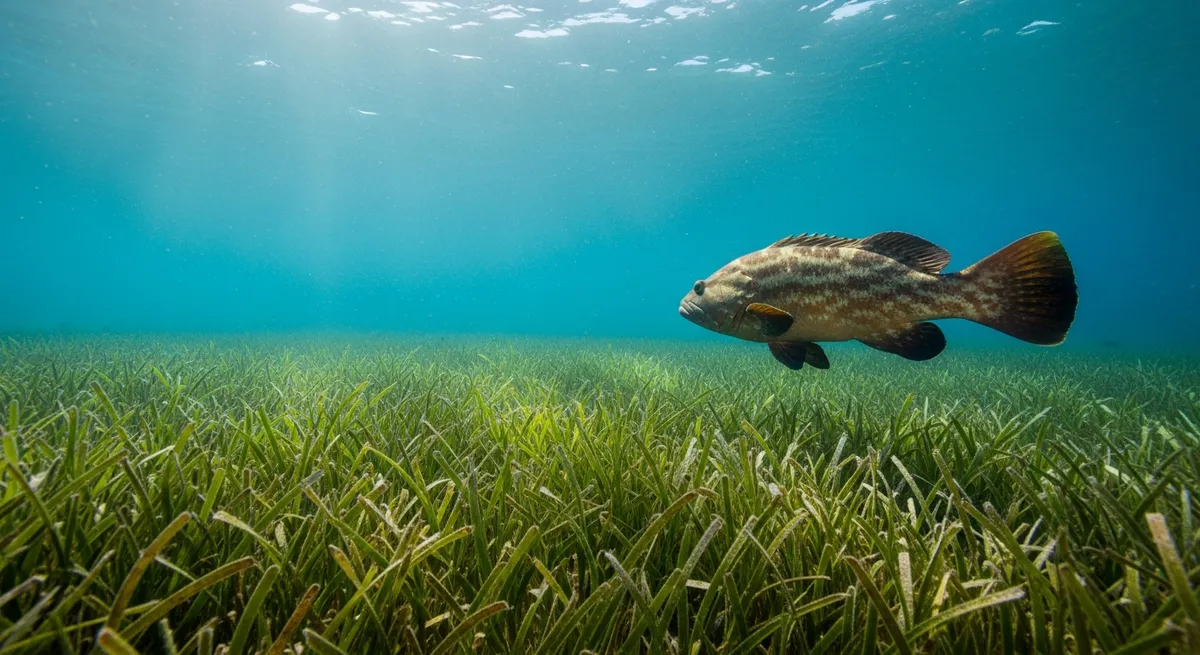
Balearic Islands offers some of Spain's richest diving, with 148+ marine species recorded in the area - including dolphins, octopuses, sea turtles, sperm whales and cuttlefish. Water ranges 15-27°C, warmest July, August, September.
Diving the Balearics always feels like coming home, if your home had sea caves and more groupers than people. We love the feeling of slipping into that warm Med water, especially around Mallorca where the light shafts into the cavern systems are just incredible. Forget the crowded beaches; underwater, it's a different world. On a good day, the visibility stretches for ages, making those posidonia meadows around Formentera feel endless. We’ve drifted over them, spotting elegant cuttlefish playing hide-and-seek, and we always get a kick out of seeing the painted combers darting in and out of the rocky reefs. Our favourite time to visit is late September. The summer crowds have thinned out, but the water's still lovely and warm. That's when we've had our best luck finding intermediate bobtail squid tucked away, or spotting a brown skate gliding over the sand. You might even catch a glimpse of a fork-beard if you know where to look in some of the deeper spots. Currents can pick up, especially around the exposed points, so always check with the local centres. They’re usually a friendly bunch and will point you to the best conditions for the day. While it isn't the red-sea kaleidoscope, the distinct Mediterranean vibe, with its ancient wrecks and the subtle beauty of the marine life, really gets under your skin.
Balearic Islands Dive Site Map
Dive sites and dive centres in Balearic Islands
Balearic Islands Dive Sites
116 dive sites in Balearic Islands
ALBATROS
The Albatros, now that's a wreck with a story, even if it’s a bit of a tragedy. This old steamship, 89 metres long, ran aground in '69. You find it sitting upright at a comfortable 10 metres, which makes it perfect for a long, relaxed dive. We love that you can spend ages just cruising over the deck, peeking into what's left of the superstructure. What really gets us about the Albatros is the light. Even on an overcast day, the sun finds its way through the water, illuminating patches of the hull. You'll often see schools of sea bream drifting through the shadows, and we've spotted some impressively sized moray eels tucked away in the darker corners of the engine room. It’s not a site for big pelagics, but the sheer scale of the wreck, so shallow, means you feel like you’re exploring history rather than just observing it. Our favourite part? The bow, where the chain still stretches out, slowly being claimed by the Mediterranean. It’s a gentle dive, suited for anyone who loves wrecks without the pressure of deep water or strong currents.
ALMADRABERO
Almadrabero isn't just another Balearic wreck; it's a moody, atmospheric dive that really delivers. We love the way this old wooden fishing boat, sunk back in '67, has settled into the seabed, making it a proper colonised habitat. Dropping down, the first thing you notice is the sheer size of the thing, 29 meters long, and the way the light filters through the water, giving it a ghostly feel. You can trace the outline of the deck, the holds, and the stern, all softened by decades underwater. Look closely, and you'll spot lobsters tucked into every crevice, fat moray eels peeking from beneath decaying planks, and schools of damselfish flitting through the skeletal remains. It’s a dive for those who appreciate history and the slow reclamation of the ocean, best suited for experienced divers comfortable at 40 meters. Head down in the morning for the best light.
APOLONIA
The Apolonia is an old trawler, and for us, it's a solid Balearic Islands wreck dive. It sits upright, pretty much intact, at a manageable 20 meters, which makes it accessible for most certified divers. We love that you can still make out the fishing gear scattered around the deck, a real sense of its working life before it went down. Inside, the wheelhouse is a highlight; it’s open enough to poke your head in and get a feel for the control centre, and we’ve seen some surprisingly large moray eels tucked into the corners there. Around the hull, expect schools of barracuda circling, and the occasional dentex drifting by. It’s not the biggest wreck you'll ever dive, but it's got character, and the way the Mediterranean light filters through the structure is genuinely beautiful. We'd suggest going in the late morning, around 10 or 11 am, for the best light penetration. This site really suits divers who appreciate a wreck with a story, without the need for technical skills.
Arco de Formentera
The Arco de Formentera offers a Mediterranean dive that’s reliably interesting, especially for divers who appreciate the subtler beauty of the region. We typically find the eponymous archway itself is the main draw, a dramatic swim-through carved by time. Look closely in the cracks and shadows here for broadnosed pipefish and maybe a seahorse if you’re lucky. We've often spotted sand steenbras darting along the bottom, and the occasional loggerhead turtle might cruise past, particularly in summer. It’s a solid pick for a relaxed dive, good for photographers keen on macro subjects and anyone wanting a classic Balearic experience without strong currents to contend with.
Barcos de Burriana
Ah, Barcos de Burriana. This isn't your typical Spanish Med dive. We’re talking about a cluster of fishing boats, deliberately scuttled back in the 1990s to create an artificial reef. It’s a fascinating, almost ghostly scene down there, with the hulls settling into the sand at around 20 metres. What we love about Burriana is the sheer scale of the playground. You can weave through the skeletal remains of several vessels, some with their rigging still partially intact, creating intricate swim-throughs. Sunlight filters down, playing off the encrusting sponges and anemones that have really taken hold. You’ll spot schools of damselfish flitting nervously in and out of the wheelhouses, and moray eels are practically guaranteed residents in the nooks and crannies. We’ve even seen small eagle rays cruising by on occasion. It’s a relatively easy dive, perfect for advanced open water divers looking for a bit of wreck exploration without the extreme depths or currents often associated with historical wrecks. Our favourite moment is always that first glimpse of the silhouettes emerging from the blue – a reminder of human endeavours slowly reclaimed by the sea.
Bufador de son solomo
Bufador de son Solomo is an interesting dive for those who appreciate unique geological formations. The main feature is a large, open cave, a sort of underwater blowhole that makes for a dramatic entrance. It’s a site that will appeal to divers looking for something a bit different from typical reef dives, with atmospheric light and shadow play inside the cavern. We'd suggest it for experienced divers comfortable in overhead environments.
cala calafat
Cala Calafat offers a straightforward dive, typical of many Mediterranean shore entries. We found a mix of rocky seafloor and some scattered Posidonia meadows, often with small schools of damselfish flitting about. It’s a good spot for a relaxed shallow dive or a training session, particularly useful if you're looking to escape some of the busier boat sites. Expect calm conditions on most summer days.
CALA DEL VIDRE
Cala del Vidre offers a straightforward dive, often used by local centres for open water training or relaxed dives. You'll find a mix of rocky seafloor and some scattered Posidonia meadows, typically home to smaller Mediterranean wrasse, damselfish, and the occasional octopus tucked into crevices. It's a good spot for divers looking for an easy entry and minimal current, especially if you're keen on macro life or just getting comfortable in the water. Visibility here can vary, but on a good day, it's a pleasant, undemanding dive.
CALA D'OR
Cala D'Or offers a fascinating dive into history, literally. We’re talking about the wreck of a roll-on/roll-off vessel, sunk back in 1971. It ran aground on a rocky bottom, so while it’s a wreck, it’s also blended with the natural reef over the decades. You’ll find the hull structure draped in sponges, and the shadowy internal spaces are now home to groupers, often lurking in the darker corners. The size, 89 metres long, means there’s plenty to explore; you can swim through the old car decks, imagining the vehicles that once filled them. We particularly love how the light plays through the upper structure, creating these ethereal shafts as you drift past. It’s a comfortable dive for most, not too deep, allowing good bottom time to really soak in the atmosphere. Bring a torch, not just for the darker sections but to really make the colours pop on the encrusting life.
Cala en Porter East
Cala en Porter East offers a straightforward dive, good for getting your fins wet if you’re new to the area or still building confidence. We found a gentle slope, mostly sand and rock, with a few small groups of bream and wrasse flitting between the rocks. It’s a relaxed spot for a casual dive, nothing too taxing, and a decent place for a longer bottom time without strong currents.
Calafat Playa
Calafat Playa offers a mellow shore dive, perfect for a relaxed afternoon. You’ll find rocky outcrops giving way to sand, usually with schools of bream and gobies darting about. It’s a good spot for newer divers to practice buoyancy or for a casual exploration when you’re not chasing big pelagics. We often stop here for a second dive when the wind picks up elsewhere.
Cala Figuera
Cala Figuera offers a relaxed Mediterranean dive, often picked for its calm conditions. You'll find yourself exploring rocky formations and seagrass beds, typical of the area, where small octopuses and bream tend to hide. It's a solid choice for newer divers or those looking for an easy second dive, without strong currents to worry about.
Show all 116 dive sites in Balearic Islands
- Cala fornells
- Cala Galiota
- CALA GAT
- Cala Gran
- Cala Lliteras
- Cala llobeta
- Cala Morell
- Cala Morlanda
- Cala n Blanes East
- Cala Sa Nau
- Cap d en Font
- Cap Llebeig
- CAROLINE
- Cave of Jeronimo
- Cocodrilo
- Congrios
- Cuevas de la luz
- DIVE&DIVE Centro de Buceo
- Dive & Fun Font de sa Cala
- Dive & Fun Font de Sa Cala
- Diving Menorca
- DON PEDRO
- Don Pedro Wreck
- Dragonera
- El Dragonera
- El Farella
- El Toro
- ERIK BOYE
- Es cagaires
- Es Caracol
- Escollera de Tarragona
- Espardel
- FERT
- Formentor Island
- FRANCINA
- Francisquita
- FRANCISQUITA
- Freu
- Groupers Paradise
- HERMANOS JIMENEZ
- HERNAN CORTES
- HMS Eagle
- Horse Shoe
- Illa Ferrera
- illa Murada
- Isla del Sec
- JOANSSI
- KLARA
- La Foguera
- La Llosa des Patró Pere
- LA MARIANA
- Les Basetes
- Llado Sur
- Llosa dels ocells
- Llossa del Patro Pere
- Macarella Tunels i Coves
- Macaret Point
- Malakoff
- MALAKOFF
- Malgrats Piscina
- Malgrats punta
- MANDEO, & SAVANA
- MARIA III
- MIGUEL ORTEGA
- Moon Pool
- NEPTUNO (PROBABLY)
- NINA 2
- NORDWIND
- Palma Wracks
- Pecio Cala Monjo
- Pecio dique del Oeste
- Pere Manel Wreck
- PICTA
- Playa de Illetas
- Pont d en gil
- Port Adriano
- Portocolom Aldea Ibizenca
- Punta Bonita
- Punta des Murter
- Punta Grossa
- RAFAEL MAROTO
- Roca del Indio
- Rodolfo s Ray
- Sa Foradada
- Sa Marina
- Sa Mula
- Sa Nitja
- SANTA (POSSIBLY)
- Sa pedrera 01
- SARAH-LI
- Scuba Activa
- S estancia
- Seven Arches
- SS Lamoricière
- Swiss Cheese
- Tago Mago
- The Bay Cala en Forcat
- The Bridge
- Torreo de Fornells
- Tunel de cales Piques
- VILLA DE CALELLA
- Vinaros triador
- Wreck of U-331
- Zoea
Balearic Islands Dive Centres
104 dive shops and operators in Balearic Islands
Acqua Life Dive Center
Actionsport Prodive Mallorca
Actisub Multiaventura
Adventure Sports Skualo Portocolom
Albatros Diving
Anfibios Ibiza
AQUADIVING CENTER IBIZA
Articles de pêche
Show all 104 dive centres in Balearic Islands
- Bahia-Sub
- Big Blue Diving
- Big Blue Ibiza
- Binibeca Diving Menorca
- Blau Sub
- Blue Dive Menorca
- Blue Islands Diving
- Bluewater Menorca
- Bubbles Dive Torrevieja Escuela de submarinismo
- Buceo al Máximo
- Buceo Cabo La Nao
- Buceo Costa Nerja
- Buceo La Herradura
- BuceoNaser
- Buceo natura
- Buceo Puerto Jávea
- Buceo Rías Baixas
- CALA SANTANYI DIVING
- Can Pep Thomàs
- Casco Antiguo Buceo
- Centro de Buceo
- Centro de buceo Agua Amarga
- Centro de Buceo Mojacar
- Centro de Buceo Tortuga Diving
- Centro de Mergullo Medusa
- Cool
- Cool divers
- Deep Emotion
- Dive Academy Santa Pola
- Dive Center Cala Blanca S.L.
- Dive Center Mallorca
- Dive & Fun Font de sa Cala
- Dive & Fun Font de Sa Cala
- Divers Cabo de Palos
- Diver's Cove
- Diving Center Cala Pada Ibiza
- Diving Center La Mola
- Diving in Alhoceima
- Diving Menorca
- Diving Shop
- Diving Stones
- Dragonera
- Eco Island Adventure
- Escuela de Buceo El Mar de Valencia
- Escuela de surf
- Escuela Naútica Miami
- Estepona dive center
- FIRUSUB
- Formentera Divers
- H2O Scuba Academy
- Iberdivers Algarve
- INDIGO DIVE
- Isurus
- La Herradura Dive Center
- Les Basetes
- Mar Balear
- mARdEhIELO
- MDS My Diving School
- Merak Diving
- Mergullo Sáa
- Mero Diving
- Multiaventura
- Nerja Dive Resort
- NoraySub
- OCEANIDES AQUAVENTURA
- Octopus
- Odisea Diving
- OrcaSub Ibiza Diving Centre
- Palma Diving
- PETRO DIVERS - ESCUELA DE BUCEO PORTO PETRO SL
- Plàncton Diving
- Rivemar Buceo
- S'Algar Diving
- Scuba Activa
- Scuba Ibiza Diving Center
- Scuba Mallorca
- Scuba Moraira
- Scuba Plus Menorca
- SEAQUEST DIVING CENTER
- Sietemares.com
- Skualo
- Skualo
- Skualo
- Soller Divers
- SUBFARICO CB
- Subnauta
- Surf
- Thalassa Esports
- Turkana
- UDiving - Albacora
- vellmari
- Vellmari
- Victor Fernandez Center
- WeDive Lagos
- West Coast
- Zoea
Ocean Wildlife in Balearic Islands
148 species recorded in Balearic Islands
Balearic Islands Daylight & Sunrise/Sunset
Sunrise and sunset times for Balearic Islands, calculated from coordinates
Today - Sunday 11 October
Sunrise
05:55
Sunset
17:18
Daylight
11h 22m
Golden Hour
16:41
First light (dawn) at 05:28 · Last light (dusk) at 17:45
Monthly Averages
| Month | Sunrise | Sunset | Daylight |
|---|---|---|---|
| Jan | 07:09 | 16:48 | 9h 39m |
| Feb | 06:44 | 17:24 | 10h 40m |
| Mar | 06:03 | 17:55 | 11h 51m |
| Apr | 05:14 | 18:26 | 13h 12m |
| May | 04:37 | 18:56 | 14h 19m |
| JunLongest | 04:22 | 19:19 | 14h 57m |
| Jul | 04:33 | 19:18 | 14h 44m |
| Aug | 05:01 | 18:49 | 13h 48m |
| Sep | 05:30 | 18:02 | 12h 32m |
| OctNow | 05:58 | 17:13 | 11h 15m |
| Nov | 06:33 | 16:36 | 10h 3m |
| DecShortest | 07:03 | 16:26 | 9h 23m |
Times are approximate local times based on longitude. Actual times may vary slightly depending on the exact timezone observed in Balearic Islands.
Where to Stay near Balearic Islands
Prices from Booking.com. We may earn a commission at no extra cost to you.
Marine Protected Areas near Balearic Islands
103 protected areas near Balearic Islands - please respect local regulations when diving
Corredor de migración de cetáceos del Mediterráneo
Canal de Ibiza
Canal de Menorca
Espacio marino del norte y oeste de Menorca
Espacio marino del norte de Mallorca
L'arxipèlag de Cabrera
Espacio marino del poniente y norte de Ibiza
Espacio marino del poniente de Mallorca
Espacio marino de Formentera y del sur de Ibiza
Espacio marino del sur de Mallorca y Cabrera
Espacio marino del Baix Llobregat-Garraf
Badies de Pollença i Alcúdia
Showing 12 largest of 103
Getting to Balearic Islands
Palma de Mallorca
Mahón (Maó)
Ibiza (Eivissa)
Plan & book
Ways to dive Balearic Islands, from day trips to liveaboards.
Day trips & courses
via GetYourGuideGuided dives, courses and snorkel trips with instant booking.
Find dive trips in Balearic IslandsPlaces to stay
via Booking.comHotels and dive resorts near Balearic Islands.
Search stays in Balearic IslandsDive insurance
Most travel insurance excludes or limits scuba. Check what you need before you go.
Dive insurance explainedPartner links: we may earn a commission if you book, at no extra cost to you. How we make money