Aqualand Wreck
Protected Area
2001788 Toftenäs
Why dive here
With 121+ marine species recorded in the area - including dolphins, dwarf minke whales, humpback whales, orcas and seals & sea lions - Aqualand Wreck offers some of West Coast (Gothenburg)'s richest wreck diving. Water ranges 3-18°C, warmest July, August, September.
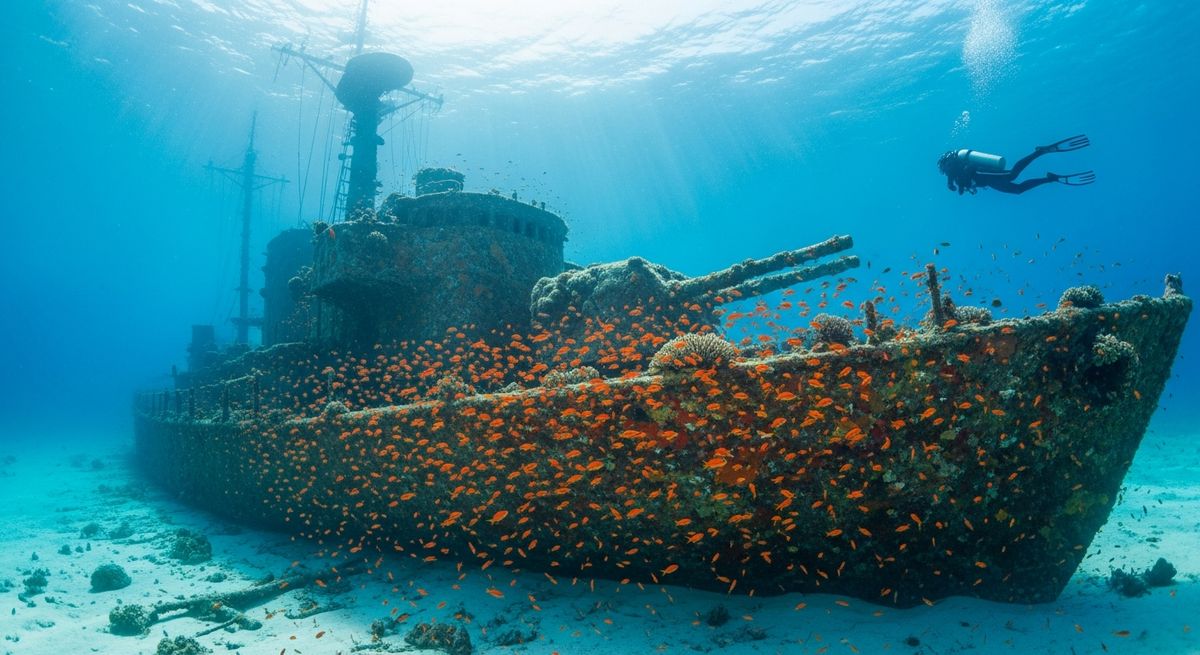
Diving the Aqualand Wreck off Gothenburg is a properly humbling experience. It’s a fishing trawler, sunk deliberately as an artificial reef, and while that might sound a bit manufactured, it’s really found its feet down there. We always tell people to look for the impressive growth of plumose anemones, especially on the deeper sections. Their feathery tentacles sway in the gentle surge, giving the whole wreck a soft, almost ethereal look. What we love most is exploring the wheelhouse. It's relatively intact, and you can still make out the outline of the controls. Keep an eye out for nudibranchs munching on the algae, and often you’ll spot a few inquisitive blennies peeking from crevices. Visibility can be a bit variable here, so we always suggest picking a calm day, ideally after a few days of settled weather. It’s a great dive for anyone comfortable with wreck penetration, even if it’s just peeking into an open hold. The Aqualand isn’t a deep dive, making it accessible for a wider range of experience levels, and it’s a fantastic example of how nature reclaims even the most deliberate of intrusions.
Typical Aqualand Wreck Dive Profile
Illustrative profile based on site depth and type. Actual dive profiles vary - always follow your dive computer and training.
Safety Notes
Wreck site - avoid penetration without wreck diving certification. Watch for sharp metal and entanglement hazards.
Cold water this month (avg 13°C). Drysuit or thick wetsuit (7mm+) recommended.
Aqualand Wreck Wreck History
Vessel Type
tugboat
Cause
scuttled
The Aqualand Wreck is a purpose-sunk vessel resting in the cold, green waters off Sweden's west coast near Gothenburg. Believed to be a former tugboat, it was intentionally scuttled in the 1980s to create an artificial reef and a training ground for local scuba divers. Lying on a silty bottom, the wreck is small but offers a fantastic introduction to the unique challenges and rewards of diving in the Nordic region.
Visibility can be variable, but on a clear day, the entire wreck can be seen from the surface. The structure is a haven for the area's marine life; divers should bring a torch to peer into dark corners and discover lobsters, crabs, and various species of rockfish hiding within the hull. The wreck is often used for navigation and buoyancy practice, making it a beloved local site for both new and experienced divers exploring the rugged beauty of the Swedish coastline.
Nearest Dive Centres to Aqualand Wreck
Dive shops near Aqualand Wreck
Dive Team
Dykcentrum Gullmarsfjorden
Tec n Rec Diving
Scuba Divers
Flying Divers
Oxygene Diving
Reviews for Aqualand Wreck
Conditions
Ocean conditions, forecast and tides for Aqualand Wreck
Aqualand Wreck Ocean Conditions
Monthly averages for Aqualand Wreck, sourced from Open-Meteo marine data - nearest station: Open-Meteo marine grid (57.57, 11.03) (3km away)
October Averages
Sea Temperature
13°C
56°F · Range: 10.6–15.8°C
Air Temperature
10°C
50°F
Wind Speed
6.56 m/s
12.8 knots
Atmospheric Pressure
1010.2 hPa
Based on 4 years of monitoring data · Data sources: Open-Meteo marine data
Plan & book
Ways to dive West Coast (Gothenburg), from day trips to liveaboards.
Day trips & courses
via GetYourGuideGuided dives, courses and snorkel trips with instant booking.
Find dive trips in West Coast (Gothenburg)Places to stay
via Booking.comHotels and dive resorts near West Coast (Gothenburg).
Search stays in West Coast (Gothenburg)Dive insurance
Most travel insurance excludes or limits scuba. Check what you need before you go.
Dive insurance explainedPartner links: we may earn a commission if you book, at no extra cost to you. How we make money
Where to Stay near Aqualand Wreck
Prices from Booking.com. We may earn a commission at no extra cost to you.