Centre de Plongée du Bas St-Laurent
Nova Scotia, Canada
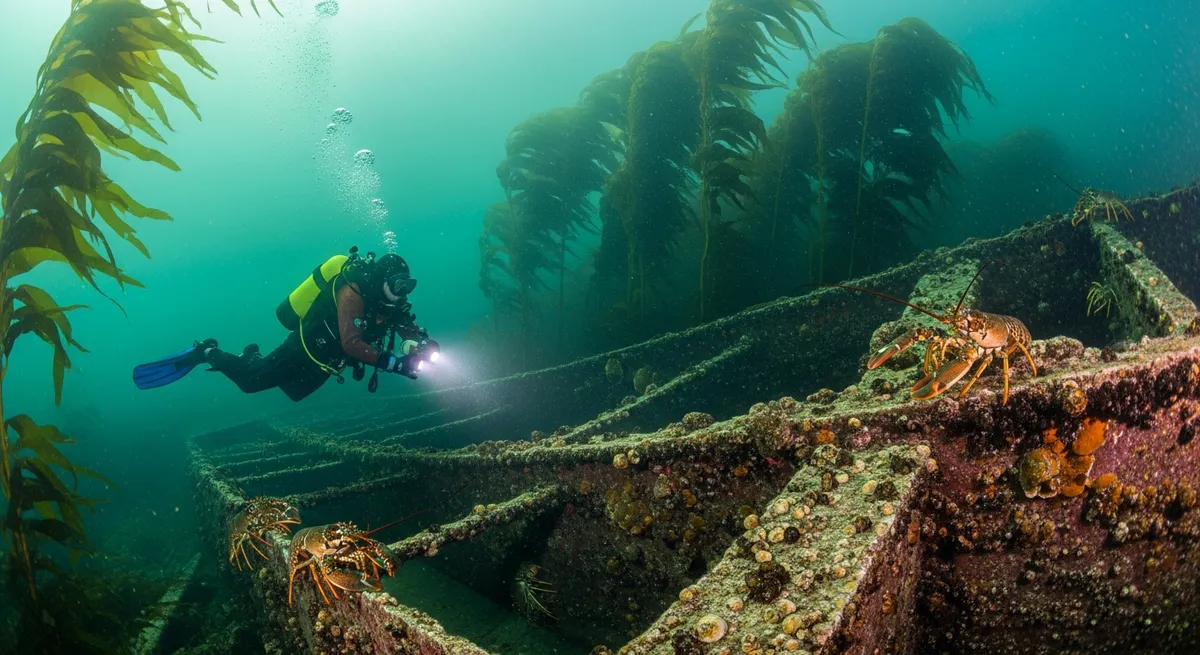
Okay, so Centre de Plongée du Bas St-Laurent. You’ll find them in Rimouski, a little further afield than what most divers think of as "Nova Scotia diving," but trust us, it’s worth the drive. These guys are your go-to for really getting into the colder water here. We especially love their focus on local sites, it’s not just about getting wet, it’s about understanding the St. Lawrence. The team at Centre de Plongée du Bas St-Laurent are just solid. They’re no-nonsense, friendly, and genuinely excited about the diving that’s right on their doorstep. You’ll be suited up for some serious chill, but once you’re under, the environment has this stark beauty. Think kelp forests swaying in the current, maybe a curious seal peeking from the gloom, and the wreck of the *Empress of Ireland* if you’re up for it and properly trained. We’d suggest chatting with them about their local knowledge; they’ll point you to some less-frequented spots where the nudibranchs are surprisingly colourful against the grey rock. It’s a different kind of diving, less about big pelagics and more about the quiet resilience of a northern ecosystem. Expect strong currents sometimes, so listen to their advice on timing your dives, particularly for slack tide.
Contact Details
292, Rue Saint-Germain Est, Rimouski, G5L 1B9
Services & Facilities
Yes
yes
yes
Dive Sites near Centre de Plongée du Bas St-Laurent
Africville Park
Anemones Alley
Arctic Trader shipwreck
Avondale Reef
BALEINE
Bayswater
Big Duck Island
Birchy Head
Black Reef
Black Rock Beach
Other Dive Centres in Nova Scotia
Where to Stay near Centre de Plongée du Bas St-Laurent
Prices from Booking.com. We may earn a commission at no extra cost to you.
Reviews for Centre de Plongée du Bas St-Laurent
Run Centre de Plongée du Bas St-Laurent? Get a free dive conditions widget for your website.