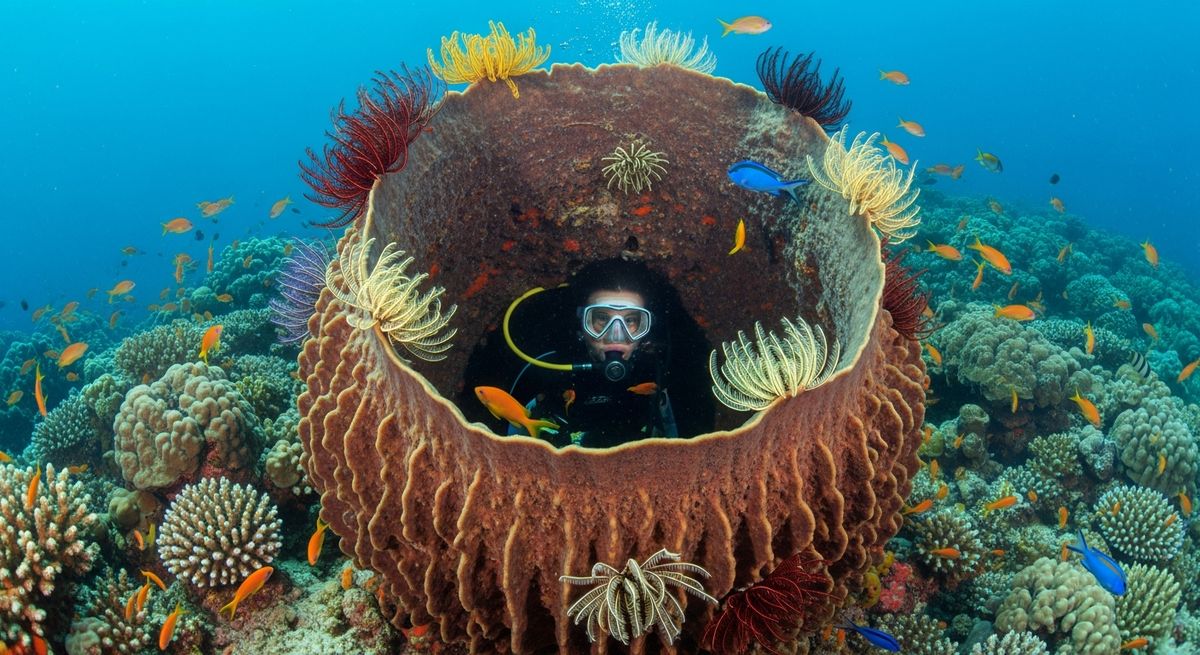
La Lobera
Protected Area
Sistema de Islas, Islotes y Puntas Guaneras
Why dive here
With 40+ marine species recorded in the area - including blue whales, hammerhead sharks, humpback whales, sea turtles and sperm whales - La Lobera offers some of Lima & Palomino Islands's richest reef diving. Water ranges 17-21°C, warmest February, March, April.
La Lobera is all about the sea lions, and we mean *all* about them. Forget your tranquil reef dives; this is an energetic, slightly chaotic immersion into their world. You drop in fast, often right into a swirling mass of playful pups and curious juveniles. The water here can be a bit… chummy, thanks to the sheer number of animals, but that's part of the fun. We've had sea lions tugging at our fins, nibbling at our cameras, and zipping past with startling speed – it's an exhilarating interaction you won't easily find elsewhere. The maximum depth is around 16m, so you’re spending most of your dive right there in the thick of the action. Visibility averages about 8m, which is plenty when your main subjects are often within arm's reach. While you might spot a Pacific cornetfish or a barred pipefish tucked away, our eyes are always on the main event. This site isn't for a gentle drift; it's a dynamic dive that suits those comfortable with a quick entry, a bit of surge, and a whole lot of playful animal interaction. It’s a riot, honestly, and our pick for an experience that's pure, unadulterated joy.
Nearest Dive Centres to La Lobera
Dive shops near La Lobera
Naylamp Diving
SB Divers
Pacific Divers
KangaruPeru
Reviews for La Lobera
Conditions
Ocean conditions, forecast and tides for La Lobera
La Lobera Ocean Conditions
Monthly averages for La Lobera, sourced from Open-Meteo marine data - nearest station: Open-Meteo marine grid (-12.05, -77.16) (20km away)
October Averages
Sea Temperature
17°C
63°F · Range: 15.5–19°C
Air Temperature
16°C
60°F
Wind Speed
6.32 m/s
12.3 knots
Atmospheric Pressure
1014.5 hPa
Based on 4 years of monitoring data · Data sources: Open-Meteo marine data
Plan & book
Ways to dive Lima & Palomino Islands, from day trips to liveaboards.
Day trips & courses
via GetYourGuideGuided dives, courses and snorkel trips with instant booking.
Find dive trips in Lima & Palomino IslandsPlaces to stay
via Booking.comHotels and dive resorts near Lima & Palomino Islands.
Search stays in Lima & Palomino IslandsDive insurance
Most travel insurance excludes or limits scuba. Check what you need before you go.
Dive insurance explainedPartner links: we may earn a commission if you book, at no extra cost to you. How we make money
Where to Stay near La Lobera
Prices from Booking.com. We may earn a commission at no extra cost to you.