Cozumel Dive Guide: Best Sites, Drift Diving & What to Expect
World-class drift diving, 30m+ visibility, and a marine park teeming with life. Here's everything you need to know about diving Cozumel, Mexico.
Why Cozumel Is a Must-Dive Destination
Cozumel is one of the Caribbean's most celebrated dive destinations - and for good reason. This island off Mexico's Yucatan Peninsula sits in the path of the Yucatan Current, which delivers consistently exceptional visibility (often exceeding 30 metres) and creates the drift diving conditions that have made Cozumel famous worldwide. Jacques Cousteau himself put Cozumel on the map in the 1960s, declaring it one of the best diving areas in the world. Six decades later, that reputation holds.
The island is surrounded by the Arrecifes de Cozumel National Park, a protected marine area established in 1996 that encompasses over 120 square kilometres of coral reef. The protection has paid off - Cozumel's reefs are among the healthiest in the Caribbean.
Understanding Cozumel's Drift Diving
If you've never drift dived before, Cozumel is an excellent place to start. The current does the work - you drop in, descend to the reef, and let the water carry you along the wall or reef system. Your boat follows your bubbles and picks you up wherever you surface. There's no swimming against current, no returning to a fixed anchor point. It's current diving at its most civilised.
Current strength varies from gentle (0.5 knots) to moderate (1-2 knots), and occasionally strong (2+ knots). Your dive guide will assess conditions and choose sites accordingly. Even in stronger currents, you can tuck behind coral formations to rest.
Top Dive Sites
Palancar Reef
The crown jewel of Cozumel diving. Palancar is actually a series of reef sections - Palancar Gardens, Palancar Caves, Palancar Horseshoe, and Palancar Bricks - stretching over 5 kilometres along the island's southwest coast. The Gardens section features massive coral heads separated by sand channels at 15-25 metres, while the Caves section offers dramatic swim-throughs and tunnels carved into the reef wall. Expect to see French angelfish, queen angelfish, barracuda, turtles, and eagle rays.
Santa Rosa Wall
A sheer drop-off starting at around 15 metres and plunging well beyond recreational limits. The wall is covered in enormous barrel sponges, sea fans, and gorgonians. Overhangs and tunnels punctuate the wall face, and pelagic visitors - including reef sharks, eagle rays, and large groupers - patrol the blue water. This is widely considered Cozumel's signature dive.
Columbia Deep
A deeper site (25-30 metres) featuring towering coral pinnacles separated by wide sand channels. The pinnacles rise 10-15 metres from the bottom, creating a dramatic underwater landscape. This site sees fewer divers and often produces encounters with nurse sharks resting under overhangs and large turtles cruising between the formations.
Devil's Throat
Cozumel's most famous advanced dive. A coral chimney drops from about 25 metres through a narrow passage to an exit at around 40 metres on the wall face. It's dark, tight, and exhilarating - but requires advanced certification, good buoyancy, and an experienced guide. The reward is emerging onto the wall with the deep blue below and a genuine sense of accomplishment.
When to Go
Cozumel offers excellent diving year-round. Water temperature ranges from 25°C in winter to 29°C in summer - a 3mm wetsuit is plenty for most people. The dry season (November-April) brings the calmest surface conditions. The rainy season (May-October) can see afternoon storms, but mornings are typically clear and diving continues. Hurricane season officially runs June-November, with September and October posing the highest risk.
Marine Park Fees and Logistics
All divers pay a marine park fee (currently around $5 USD per day) collected by dive operators. The fee funds reef conservation, mooring buoys, and park patrols. Use reef-safe sunscreen, don't touch anything, and maintain good buoyancy - Cozumel's reefs are healthy partly because divers take care of them.
The island is accessible by ferry from Playa del Carmen (45 minutes) or by direct flights to Cozumel International Airport. Dozens of dive operators cater to all levels. Two-tank morning boat dives are the standard format.
More from the Blog
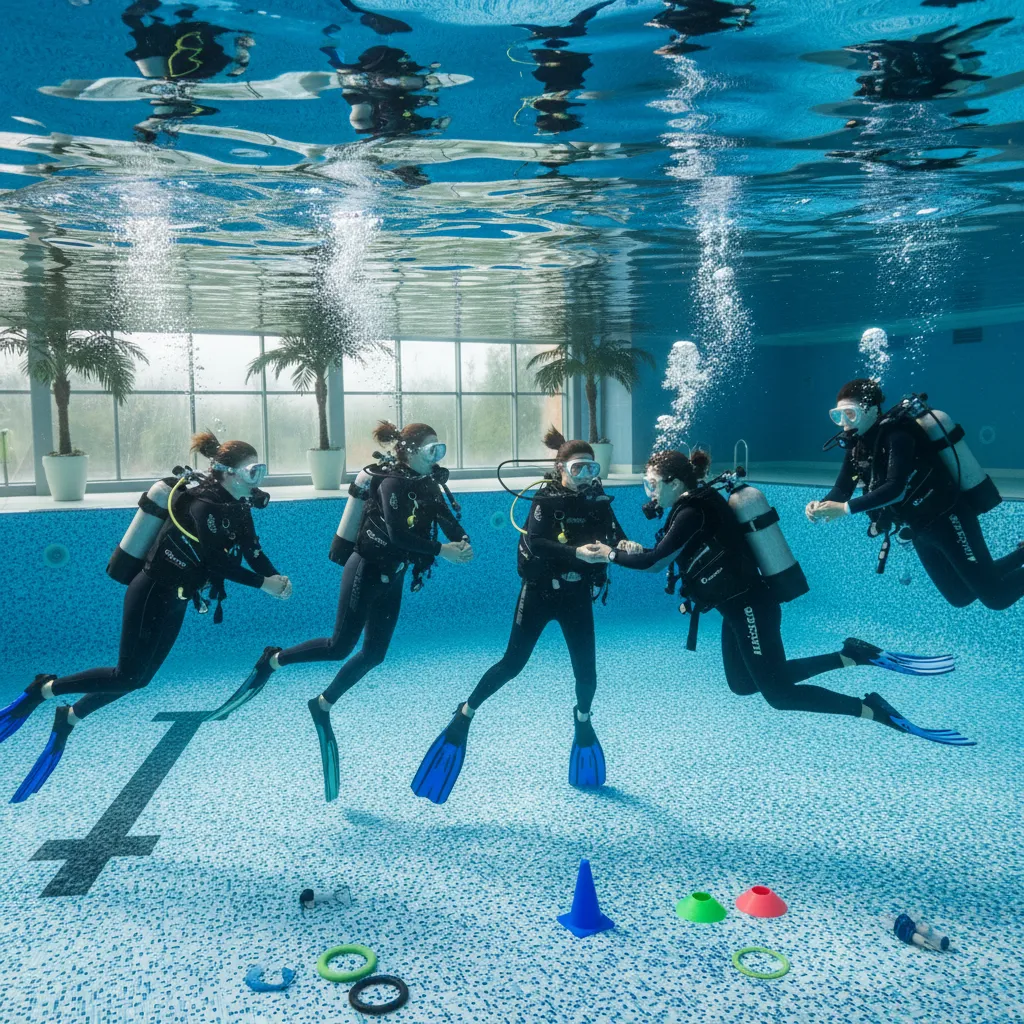
How Long Does It Take to Get Scuba Certified?
Most people earn their Open Water certification in 3-5 days, but there are faster and slower paths d...
Bonaire Shore Diving: The Complete Guide
Rent a truck, drive to a yellow stone, dive. Bonaire invented shore diving as we know it - here's ho...
Great Barrier Reef Diving: Where to Go, When & How
The world's largest reef system stretches over 2,300 kilometres - but where exactly should you dive?...