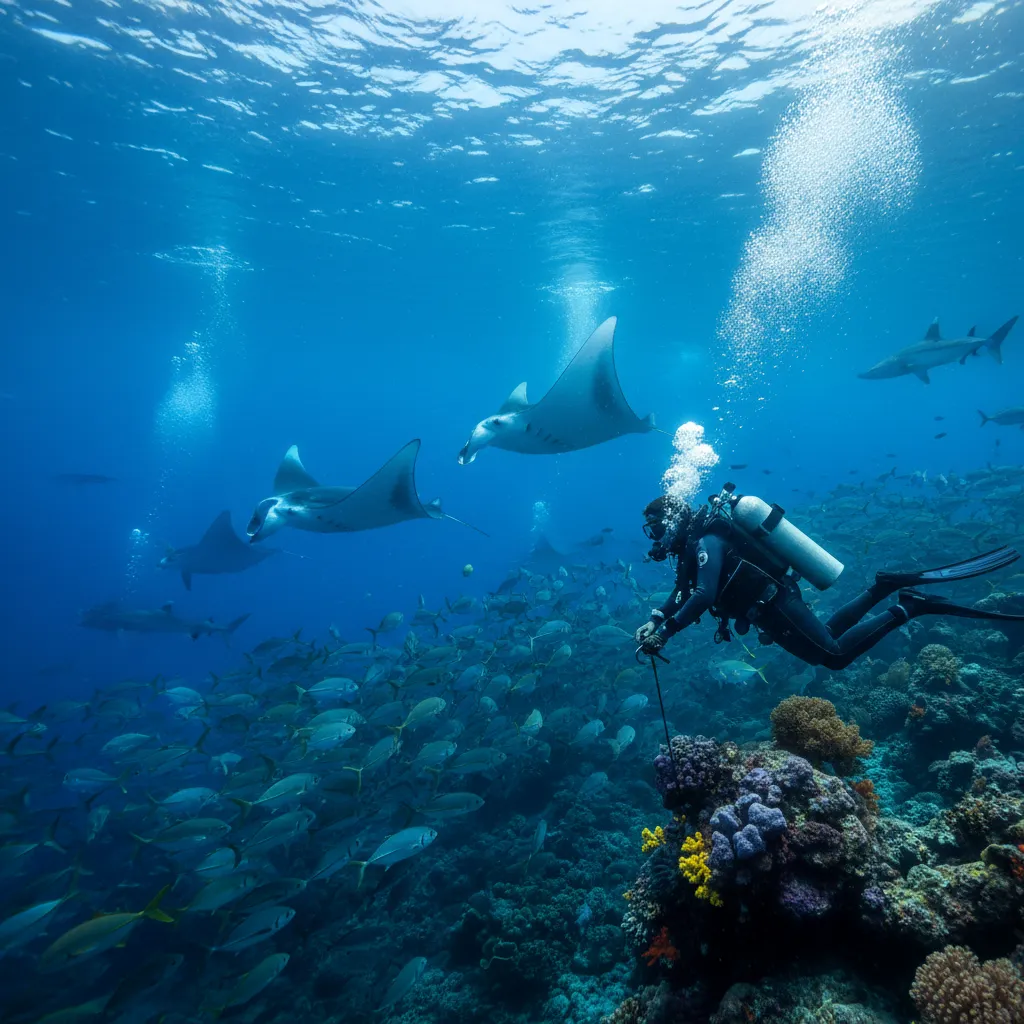
Best Advanced Diving Destinations
For certified divers ready to push their limits, these destinations deliver the adrenaline-pumping encounters and challenging conditions that define truly memorable diving. Strong currents bring pelagic predators, deep walls disappear into the abyss, and remote locations reward those willing to travel far from the beaten path. Each destination on this list demands solid buoyancy skills, current awareness, and a healthy respect for the ocean - and repays those skills with some of the most spectacular underwater experiences on the planet.
11 destinations in this collection
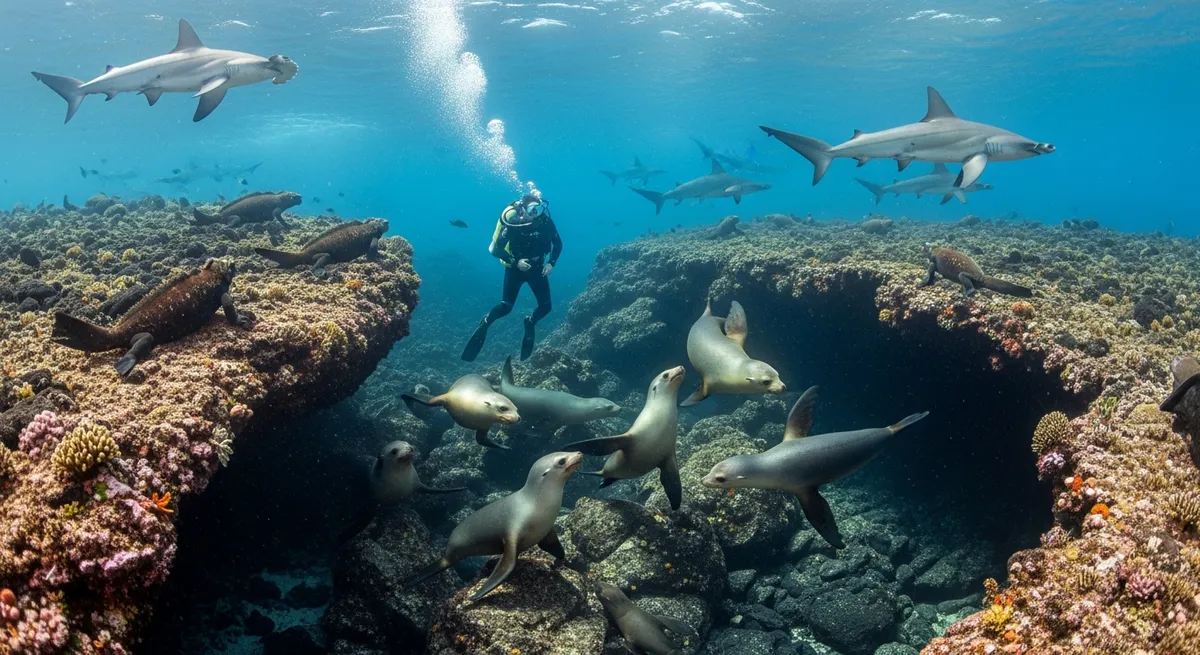
Galápagos Islands, Ecuador
Ecuador
Cold currents, hammerhead schools, whale sharks, and marine iguanas in one of the most challenging and rewarding dive destinations on Earth.
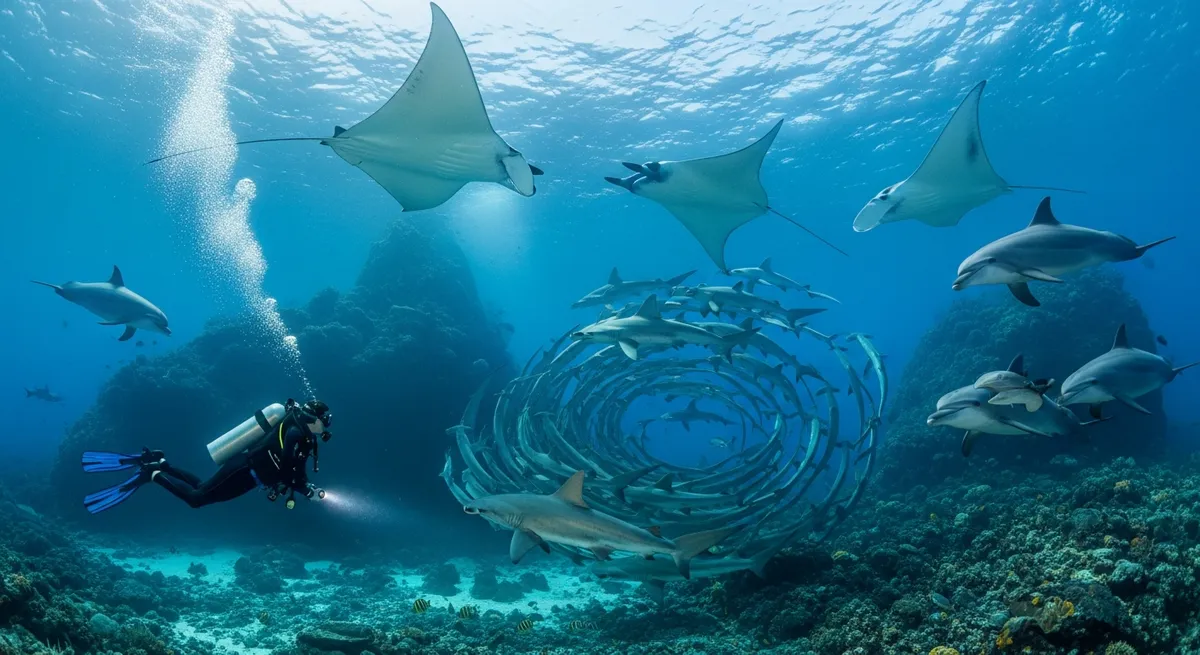
Socorro Islands, Mexico
Mexico
Remote Pacific archipelago famous for giant manta rays, humpback whales, and schooling hammerheads on current-swept seamounts.
Raja Ampat, Indonesia
Indonesia
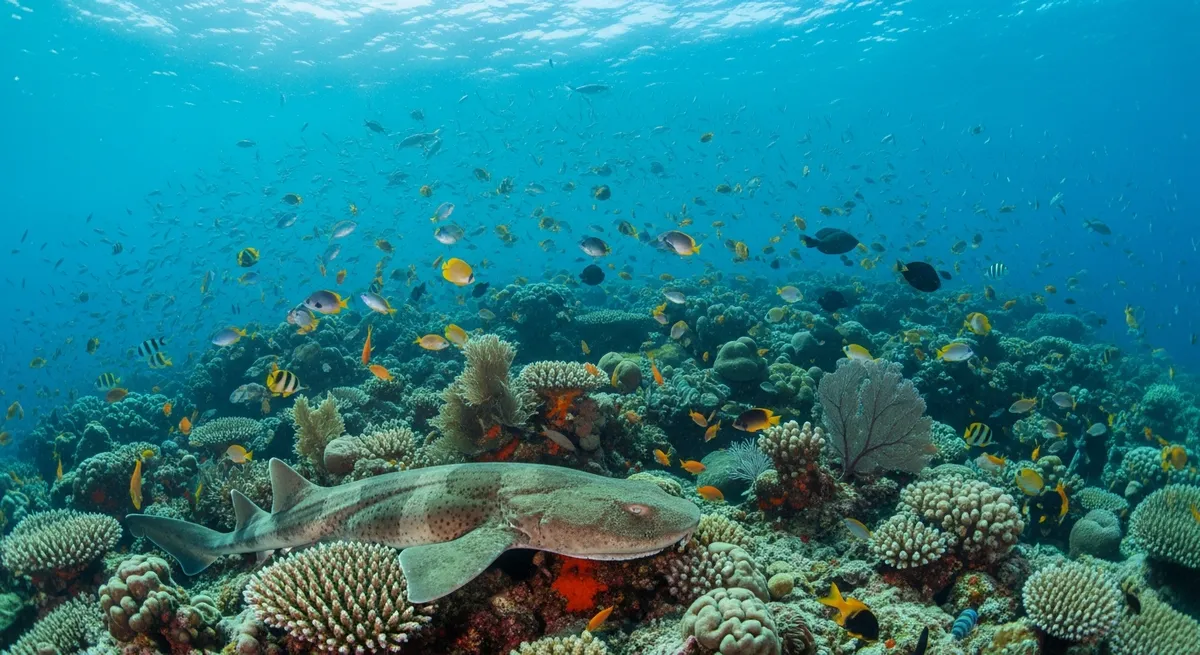
The epicentre of marine biodiversity with strong currents, deep walls, and more species per dive than anywhere else on the planet.
Fakarava, French Polynesia
French Polynesia
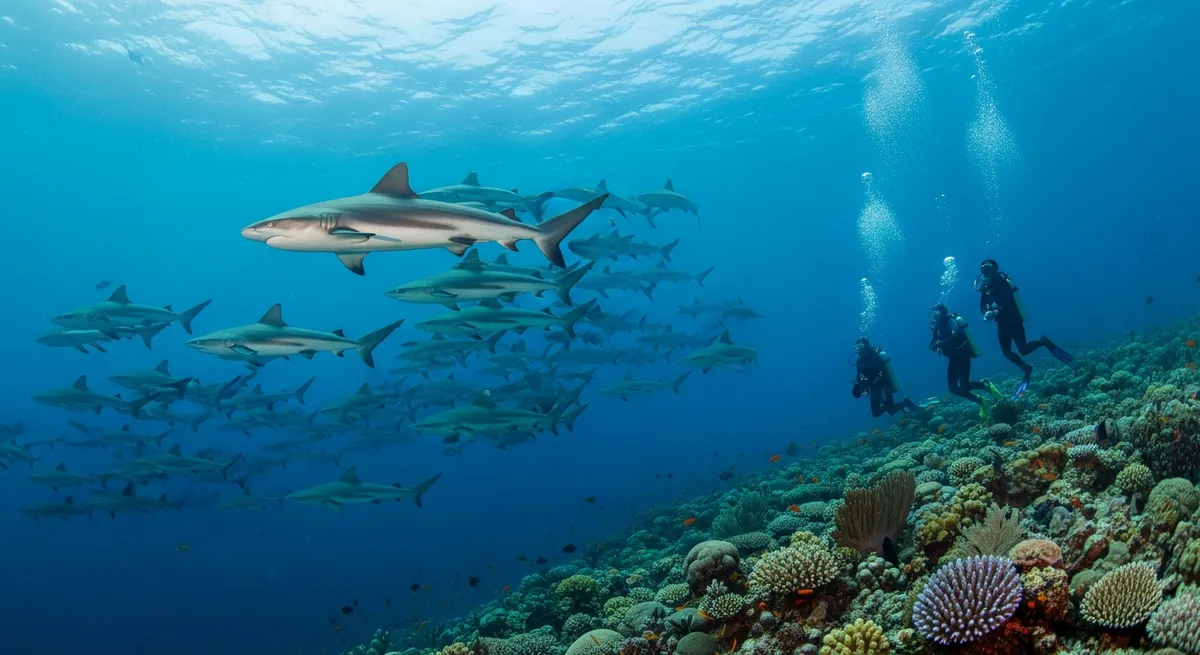
UNESCO biosphere reserve where hundreds of grey reef sharks pack the south pass in one of diving's most electrifying spectacles.
Cocos Island, Costa Rica
Costa Rica
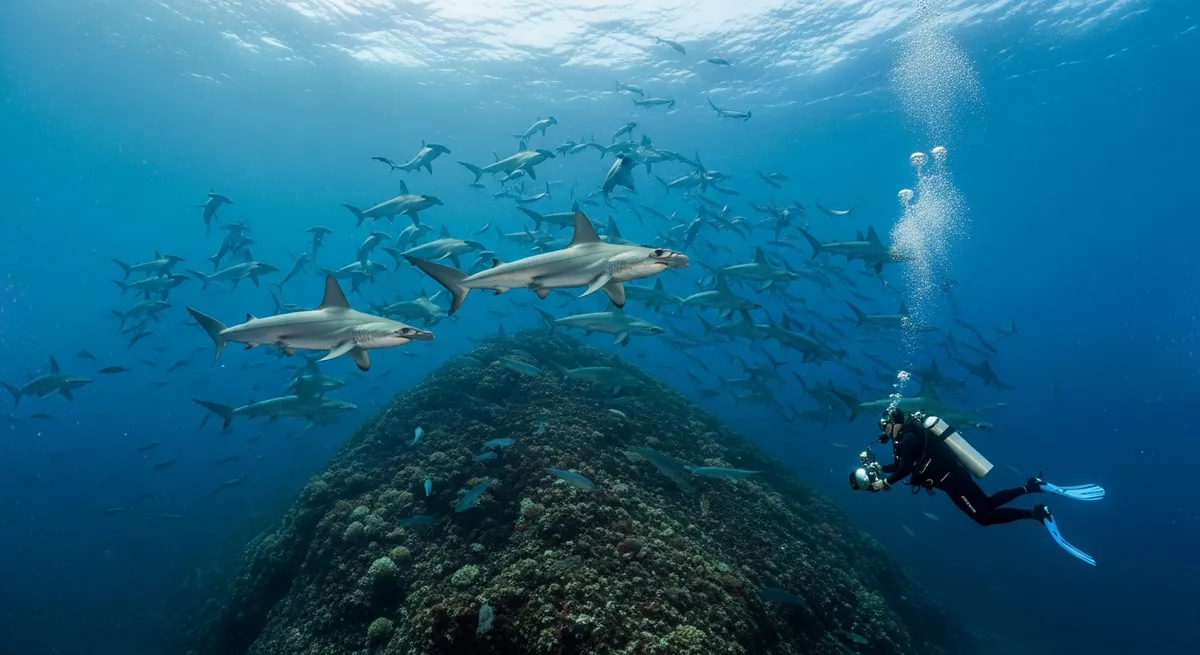
Remote Pacific island reached by 36-hour liveaboard crossing, rewarding adventurous divers with hammerhead highways and whale sharks.
Deep South, Egypt
Egypt
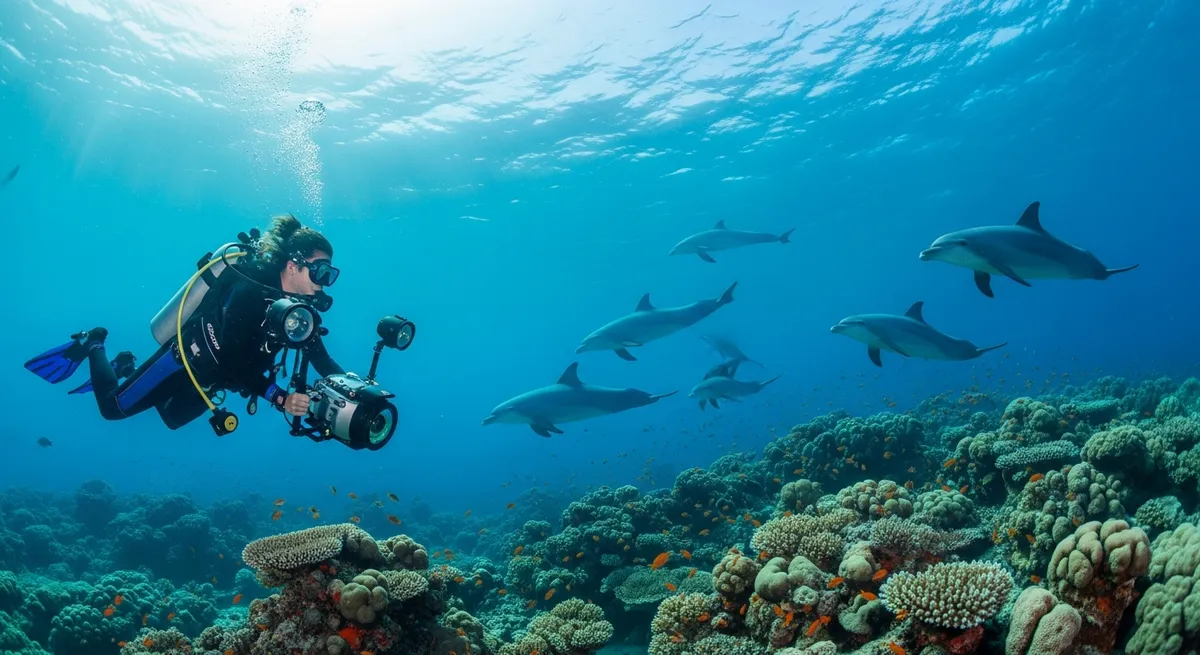
Remote Red Sea reefs including Elphinstone, Daedalus, and Brothers - current-swept walls patrolled by oceanic whitetip sharks and thresher sharks.
Malpelo Island, Colombia
Colombia
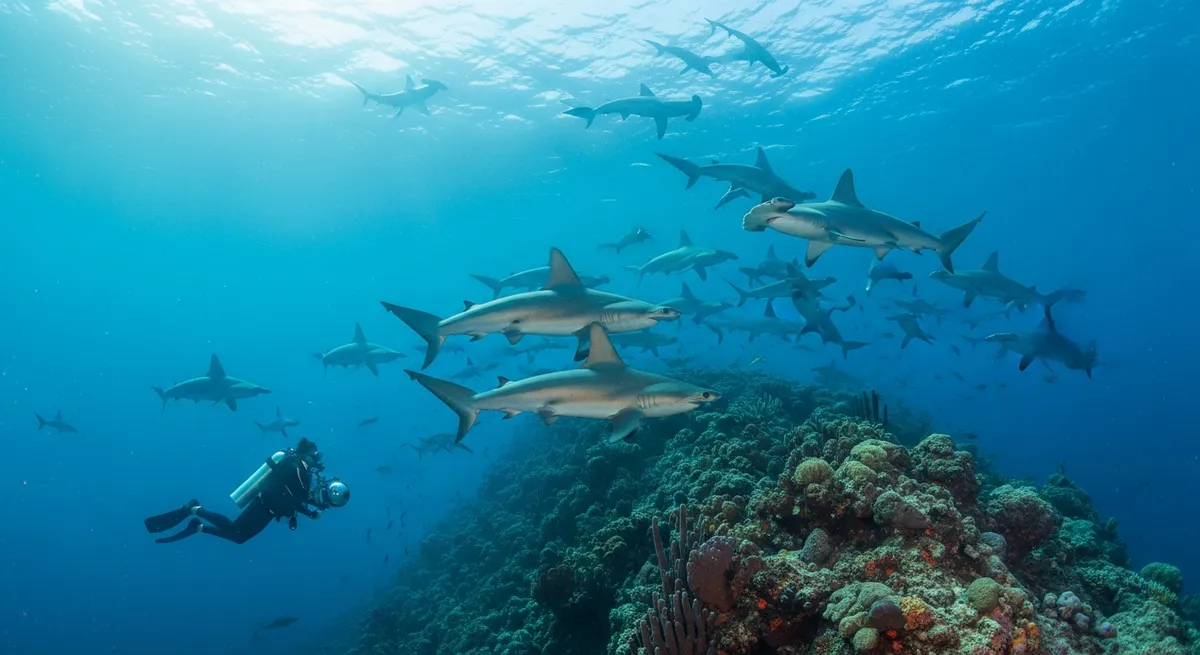
One of the last places on Earth to see schools of 200+ hammerhead sharks, with challenging conditions and extraordinary biodiversity.
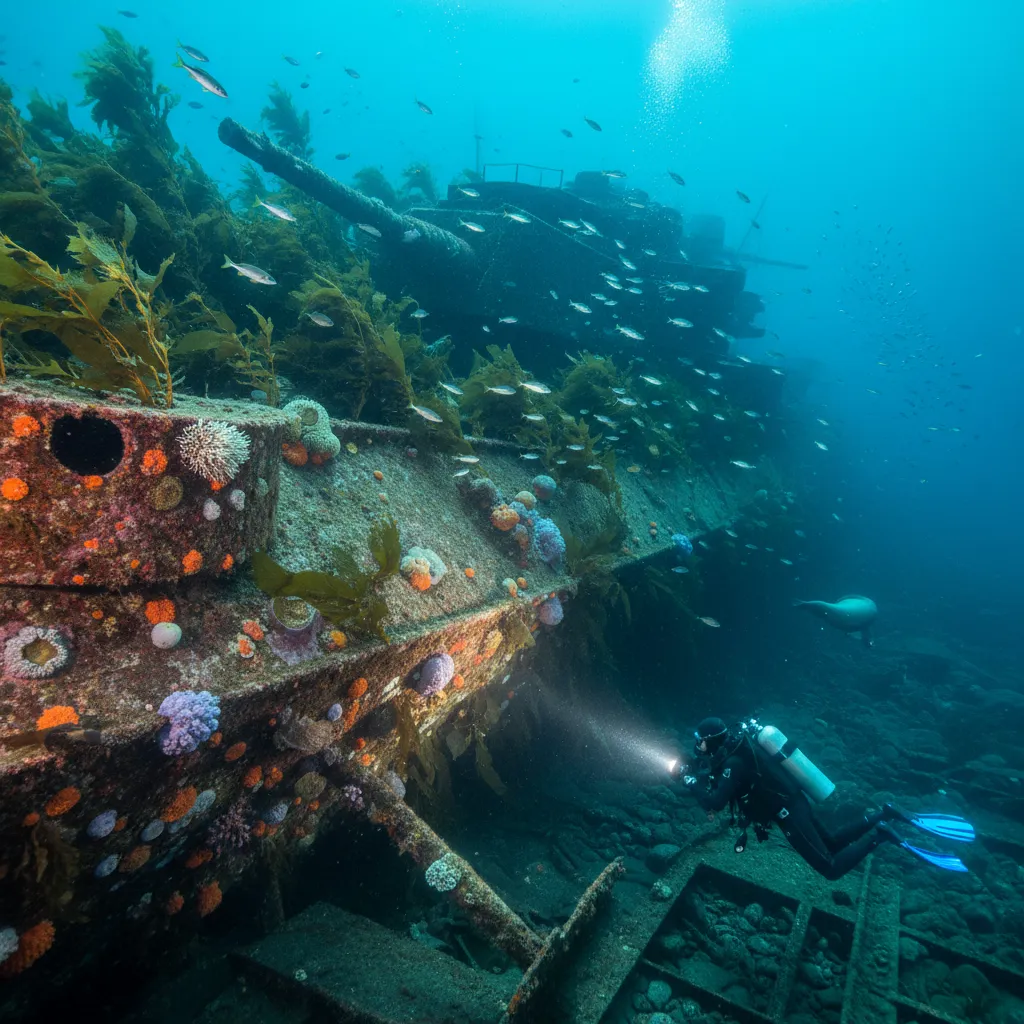

Scapa Flow offers unparalleled advanced wreck diving in cold, often deep Scottish waters. Explore the scuttled German High Seas Fleet, including battleships and cruisers, demanding excellent buoyancy, drysuit proficiency, and potentially deep penetration skills in challenging conditions.
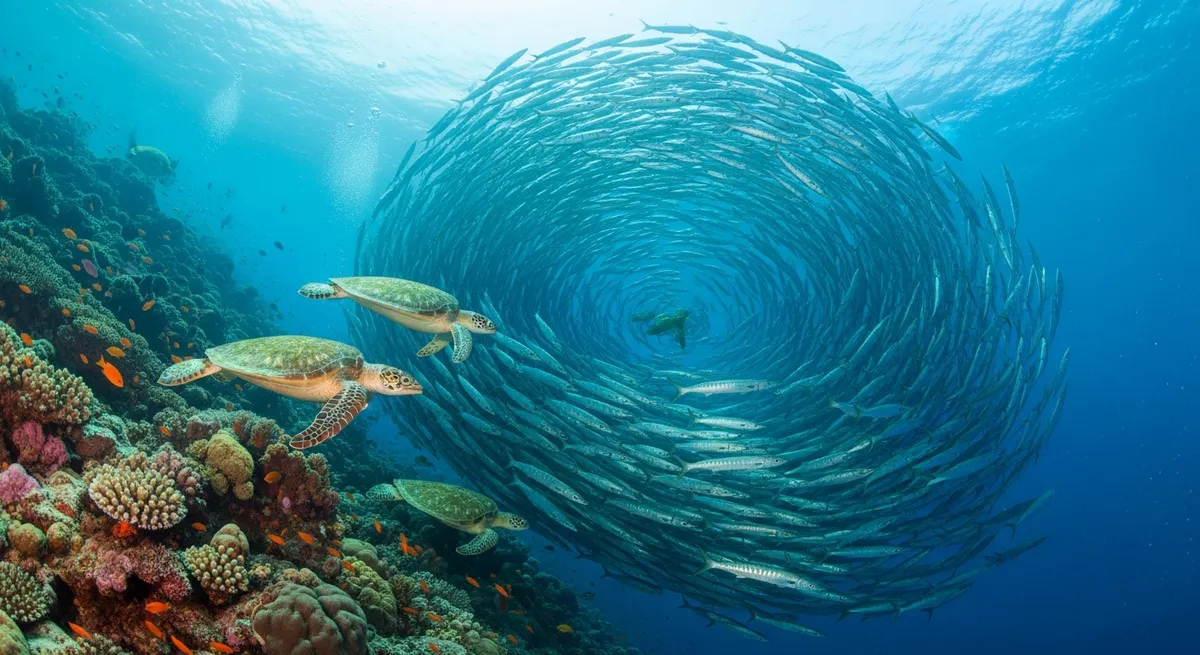

For experienced divers seeking an adrenaline rush, Sipadan delivers with its powerful currents and breathtaking drop-offs. Master the art of drift diving here to witness the legendary barracuda tornadoes, graceful green turtles, and reef sharks patrolling the pristine reef walls. This truly advanced site rewards proficient divers with unparalleled pelagic encounters, demanding excellent current management skills.
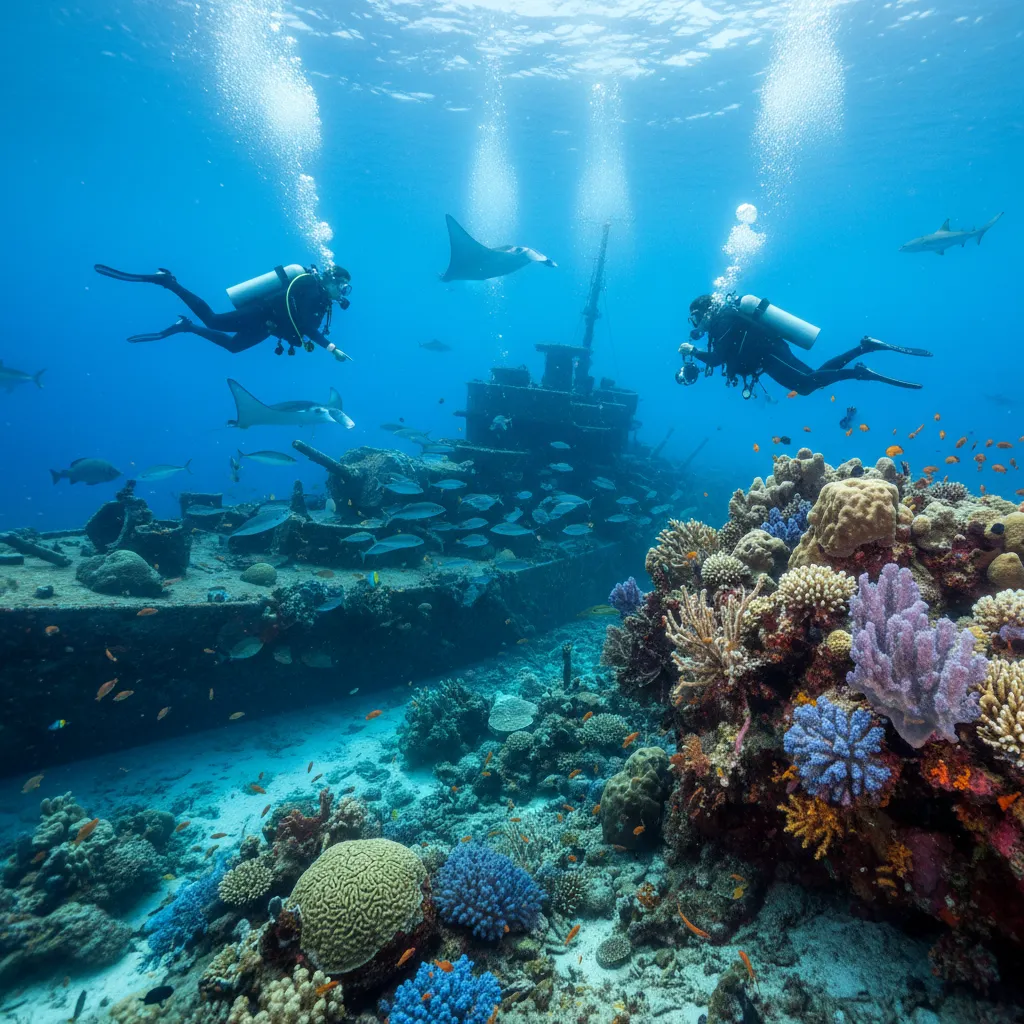
Bikini Atoll: Atomic Ghost Fleet Deep Tech Diving
Marshall Islands
Descend into history at Bikini Atoll, where an unparalleled collection of WWII warships, sunk during Cold War nuclear tests, awaits advanced technical divers. This challenging destination demands extensive deep diving experience and specialized training, rewarding those who venture here with extraordinary access to pristine, historically significant wrecks preserved by their atomic slumber.
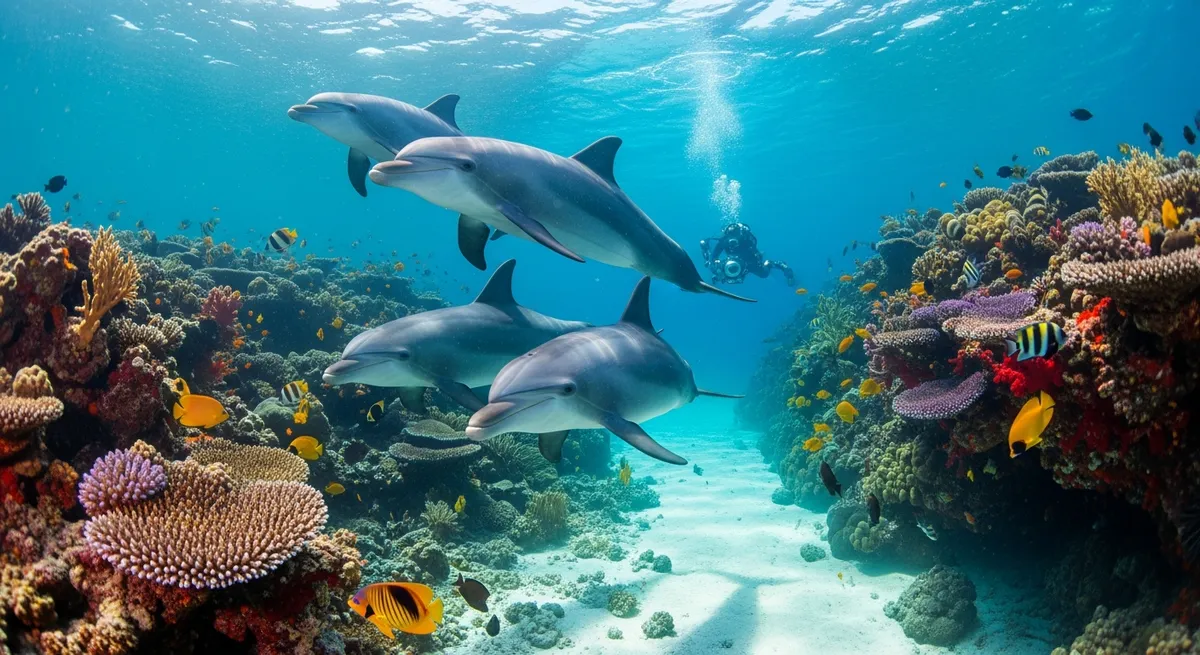
Rangiroa: Adrenaline-Fueled Shark Dives in Powerful Currents
French Polynesia
Dive Rangiroa's legendary passes, where powerful currents create an exhilarating drift experience unlike any other. This destination demands advanced buoyancy and current management skills, rewarding divers with close encounters with an incredible density of sharks – grey reef, hammerhead, and silvertip – alongside manta rays and large schooling pelagics. It's a true test of nerve and skill for the experienced diver.
About This Collection
Why Advanced Diving Destinations Are Worth the Effort
The ocean reserves its most impressive spectacles for divers who have earned the skills to witness them. Strong currents funnel nutrients that attract massive schools of fish and the apex predators that hunt them. Deeper reefs host species never seen in the shallows. Remote atolls and offshore seamounts create oases of life in the open ocean where anything can appear from the blue.
Advanced diving is not just about depth - it is about comfort in challenging conditions. A diver who can maintain neutral buoyancy in a ripping current, navigate in reduced visibility, and manage air consumption over a long dive will see things that other divers simply cannot.
What to Expect
These destinations feature current-swept channels, deep walls, blue-water descents, and remote locations accessible only by liveaboard. Minimum requirements typically include Advanced Open Water certification and 50+ logged dives, though many sites benefit from far more experience. Several locations - particularly Komodo, Socorro, and the Galápagos - feature unpredictable currents that can change direction and intensity without warning.
Gear Considerations
Carry a surface marker buoy (SMB) and know how to deploy it - it is essential safety equipment at current-exposed sites. A reef hook is useful at destinations like Komodo and Fakarava where you may need to clip in and watch the show from a fixed position. Consider a dive computer with a digital compass and ensure your exposure protection is adequate for potentially cool thermoclines at depth.