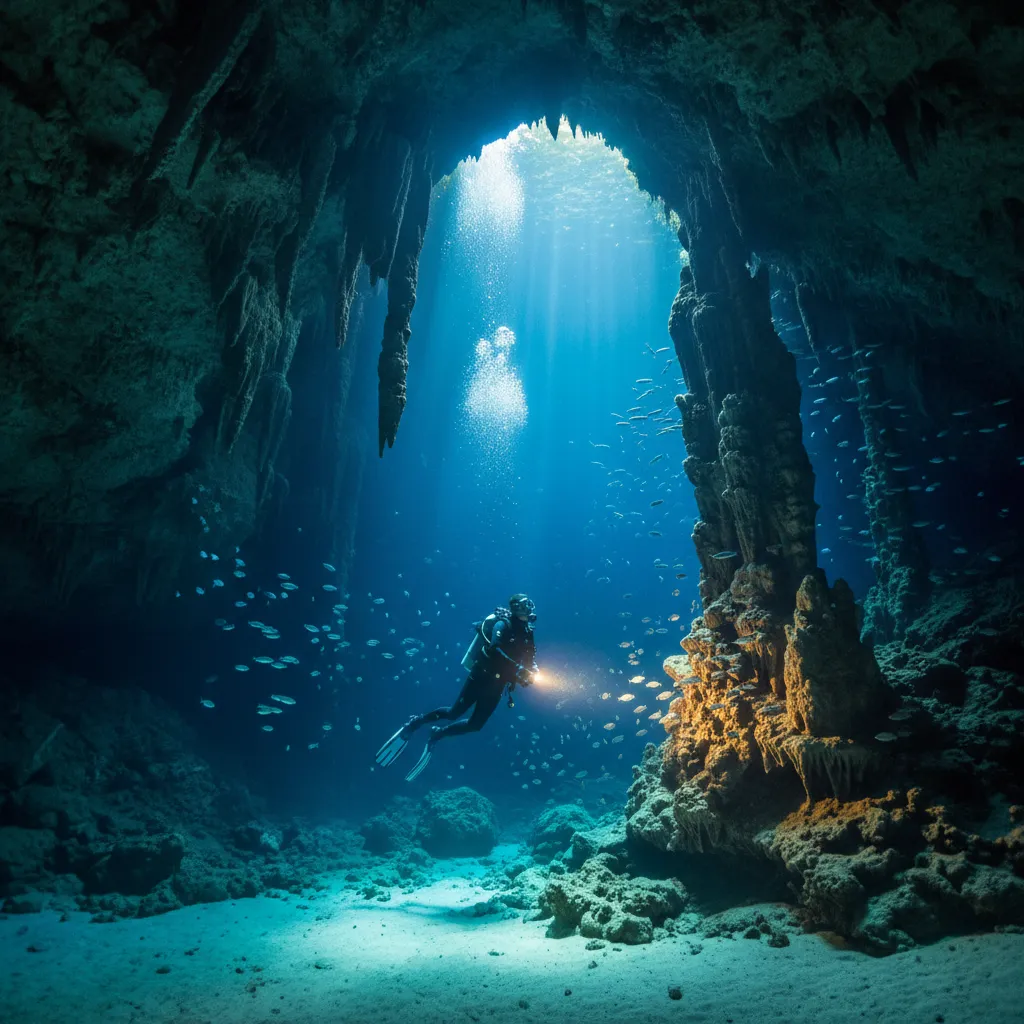
Best Cave & Cavern Diving Destinations
Cave diving is the ultimate frontier of underwater exploration. Venturing into submerged passages where no natural light penetrates, cave divers experience a world of otherworldly beauty - crystal-clear freshwater, ancient stalactite formations, haloclines where fresh and salt water meet, and the profound silence of an overhead environment. From the cenotes of Mexico's Yucatan Peninsula to the flooded caves of Florida and the deep sinkholes of Australia, cave and cavern diving destinations offer experiences that are unlike anything on the open reef. While full cave diving requires extensive specialist training, many destinations offer cavern dives accessible to certified open water divers with proper supervision.
12 destinations in this collection
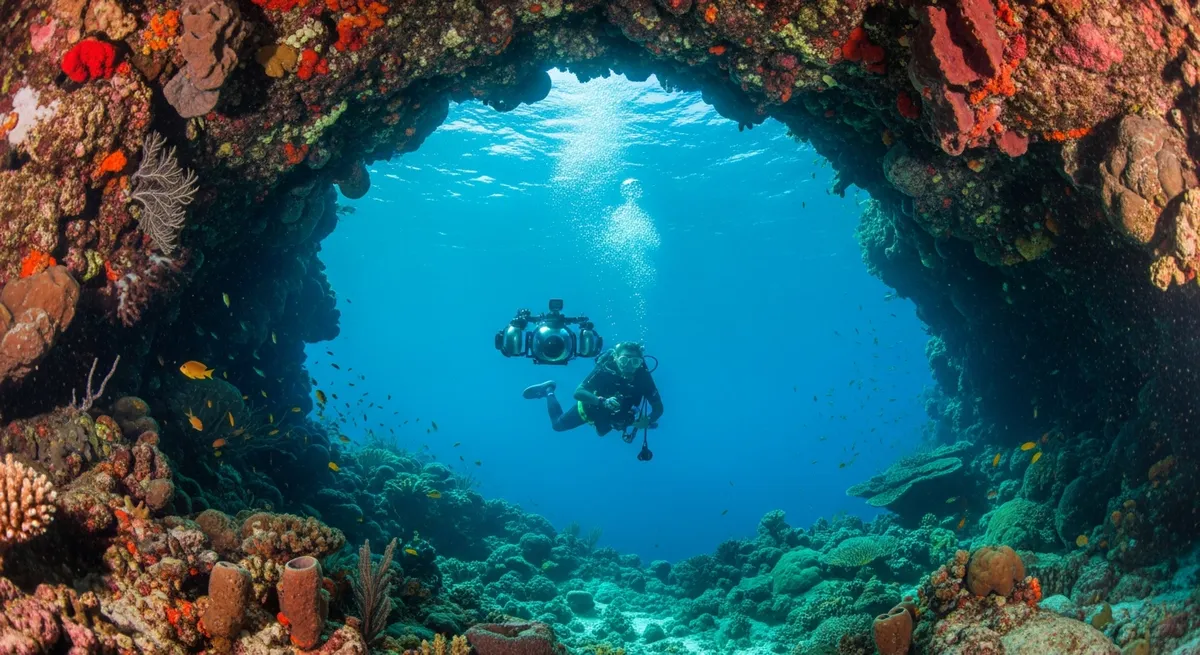

The Riviera Maya coastline from Playa del Carmen to Tulum provides easy access to dozens of cenotes suitable for cavern diving with recreational certification. Dos Ojos, Gran Cenote, and Cenote Angelita (with its underwater hydrogen sulphide cloud) are bucket-list dives. Numerous dive shops offer guided cavern tours for certified divers.
Florida Springs, USA - Birthplace of Cave Diving
United States
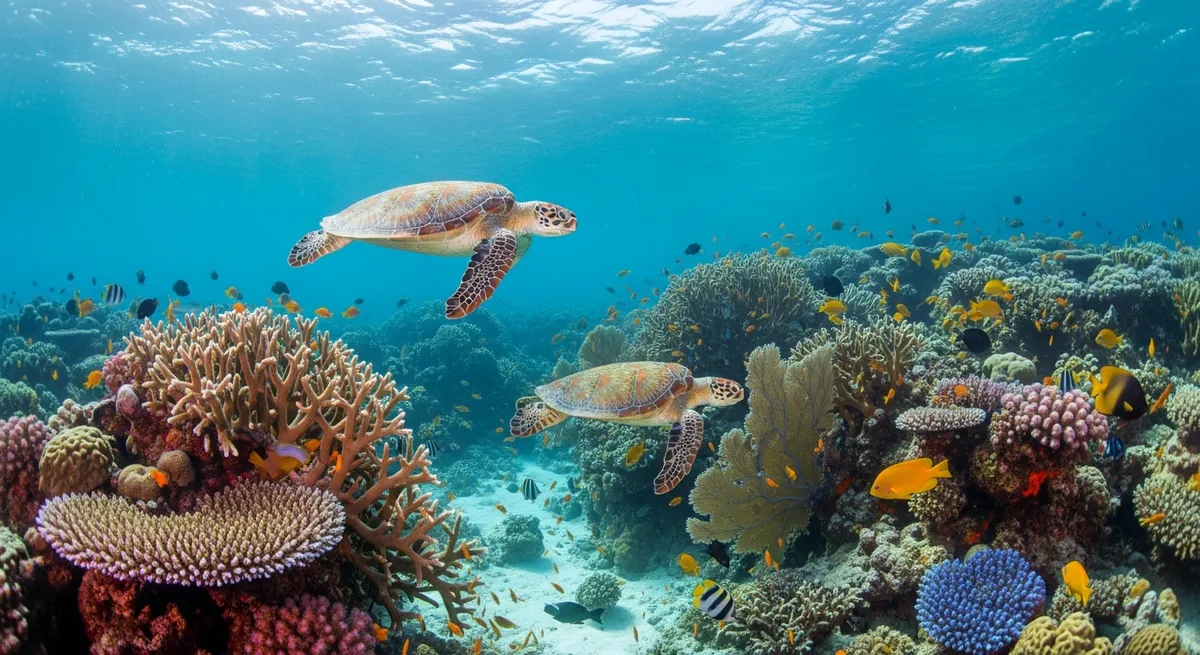
Florida's freshwater springs are where modern cave diving techniques were developed. Ginnie Springs, Peacock Springs, and Devil's Eye offer challenging cave systems with strong flow, variable visibility, and complex navigation. The spring systems produce millions of litres of crystal-clear water daily and have trained generations of the world's best cave divers.
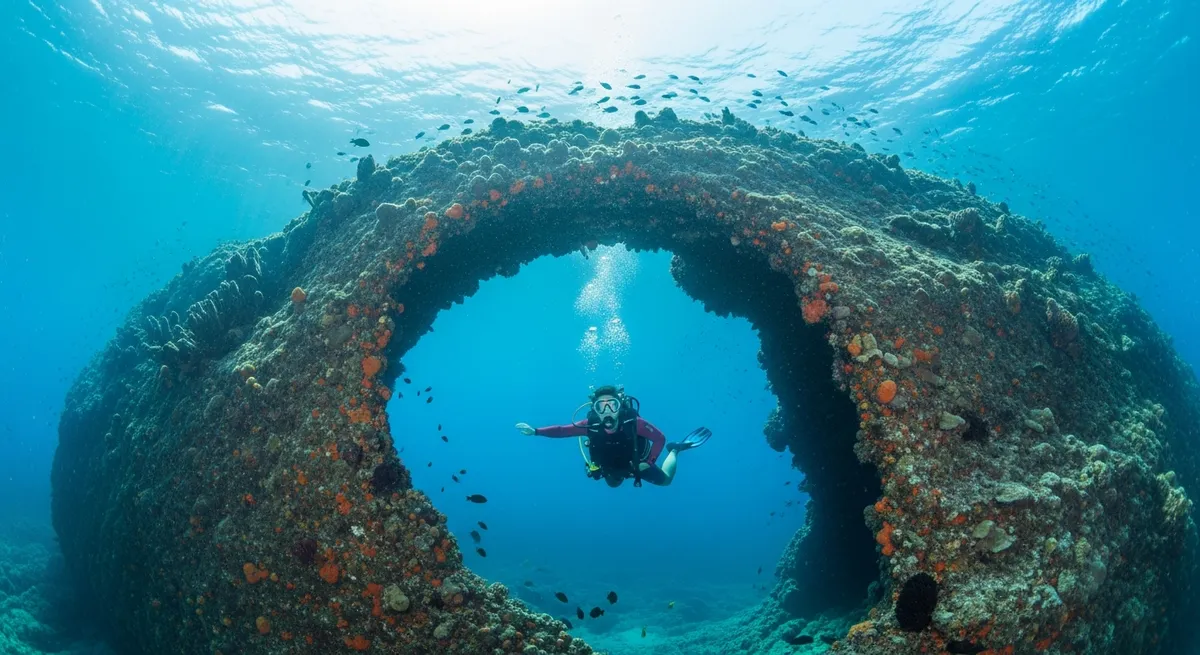

Gozo's Blue Hole is one of the Mediterranean's most famous cavern dives - a natural sinkhole dropping to 15 metres before opening through a dramatic archway to the open sea. The island's limestone geology creates swim-throughs, tunnels, and caverns throughout its coast. Warm, clear water and easy shore access make Gozo ideal for cavern diving holidays.
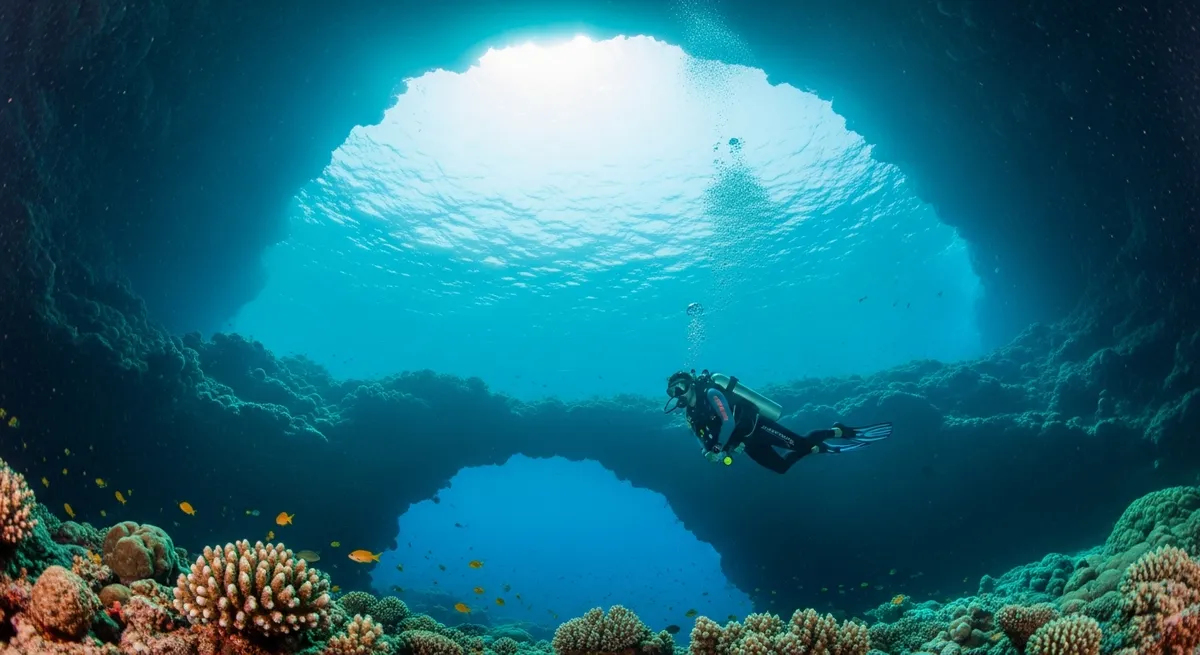

Dahab's Blue Hole is one of the world's most famous dive sites - a 130-metre-deep sinkhole in the reef with a 26-metre archway connecting to open water at 56 metres. While the arch is a technical dive, the shallow rim and canyon offer spectacular cavern experiences. Nearby sites like The Bells and El Garden provide cave-like swim-throughs in warm Red Sea water.
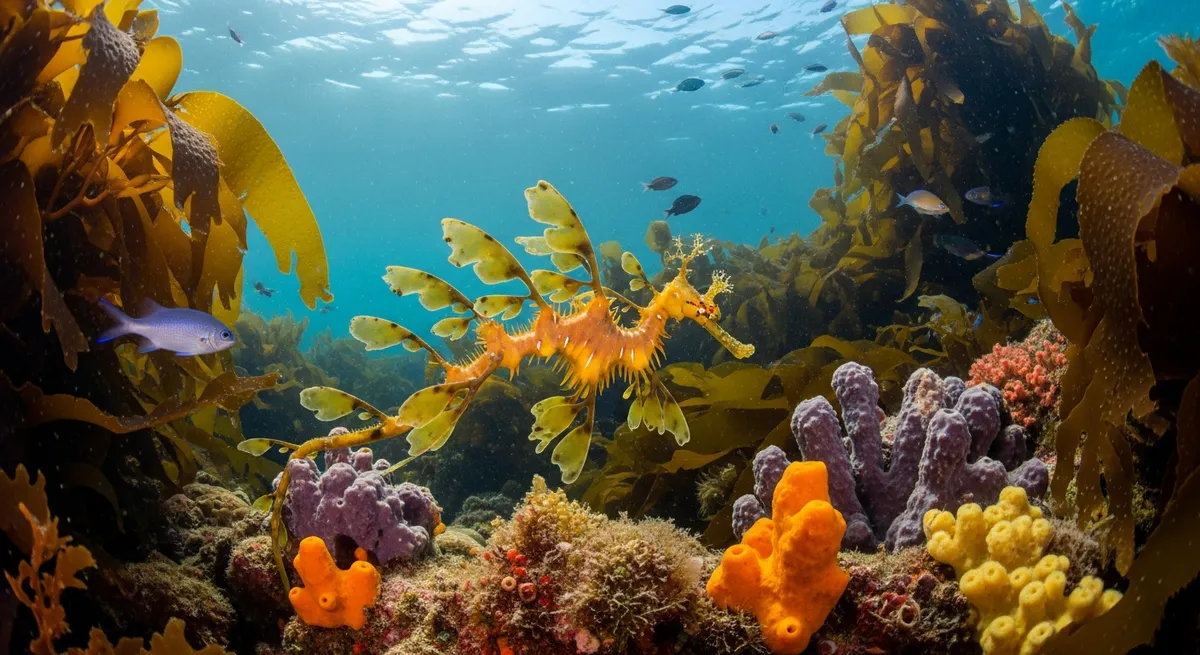

Mount Gambier's flooded sinkholes, including Piccaninnie Ponds, Kilsby Sinkhole, and Ewens Ponds, offer remarkably clear freshwater cave diving in a unique geological setting. Kilsby Sinkhole's cathedral-like chamber with light beams penetrating from above produces some of the most stunning underwater images in Australia. Permits and cave certification are required for most sites.
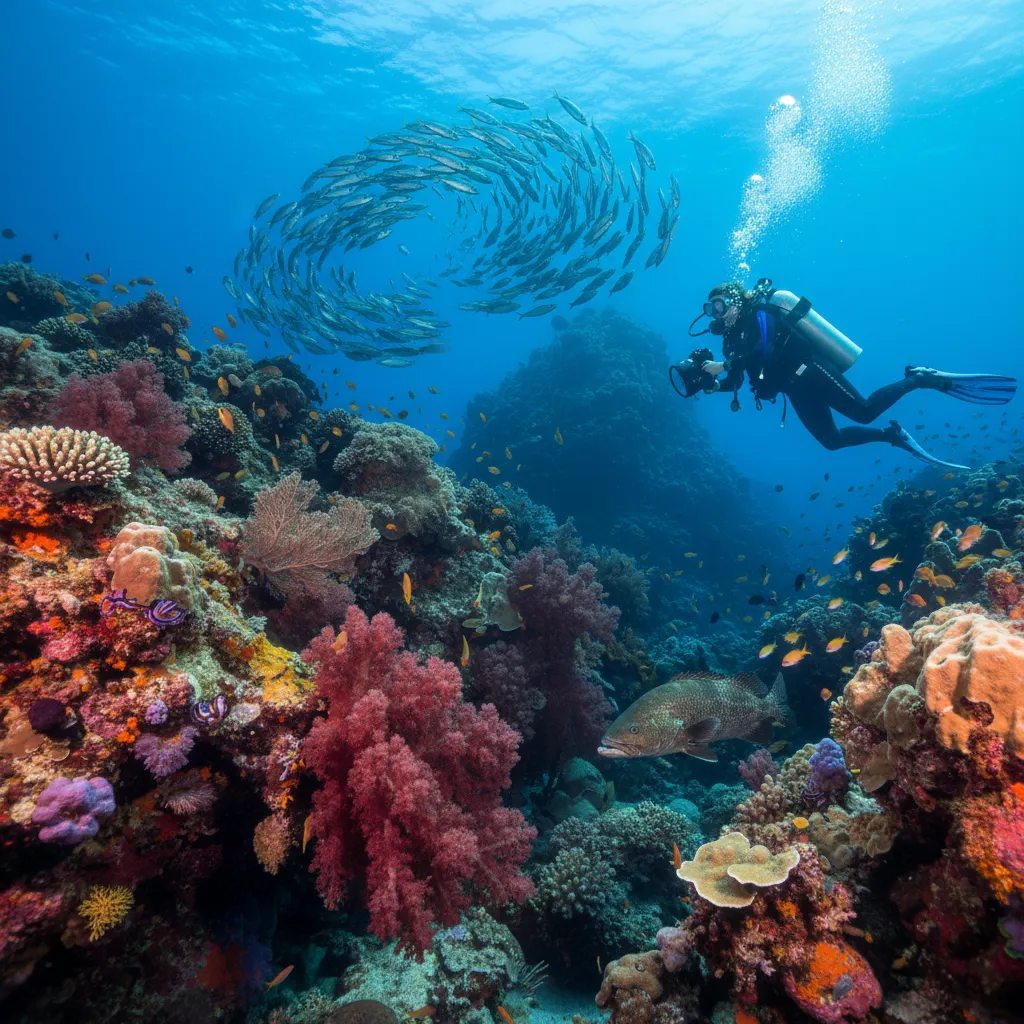

Sardinia's limestone coastline harbours spectacular underwater cave systems. Nereo Cave near Alghero is one of the largest underwater caves in the Mediterranean, with vast chambers adorned with red coral and stalactites. The island's eastern coast around Cala Gonone offers numerous caverns and grottos accessible to recreational divers with guide supervision.
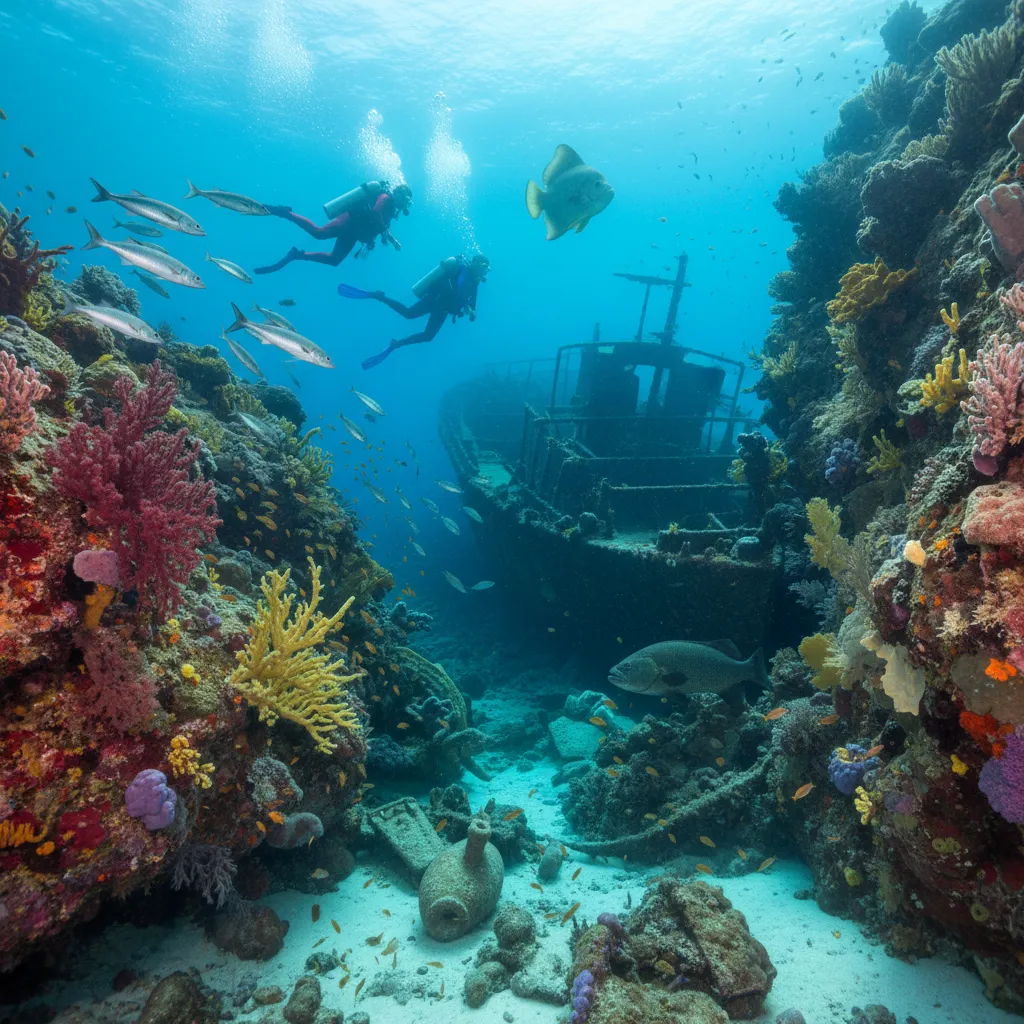

Marseille's Calanques National Park offers dramatic limestone cliffs concealing superb submerged caves and intricate caverns. Dive crystal-clear Mediterranean waters for thrilling penetration experiences, revealing unique geology and vibrant marine life.
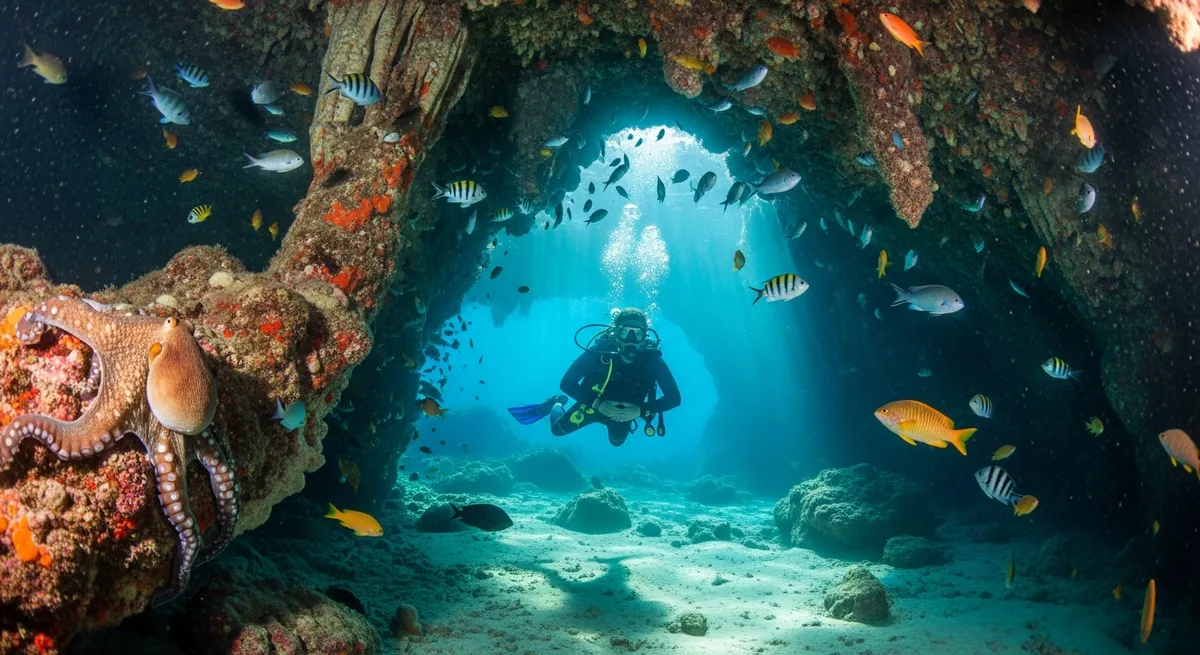

Crete’s crystal-clear Mediterranean waters conceal a captivating world of underwater caves and caverns. Explore ancient geological formations, unique ecosystems, and often fascinating historical remnants. This offers an unforgettable blend of natural beauty and archaeological intrigue.
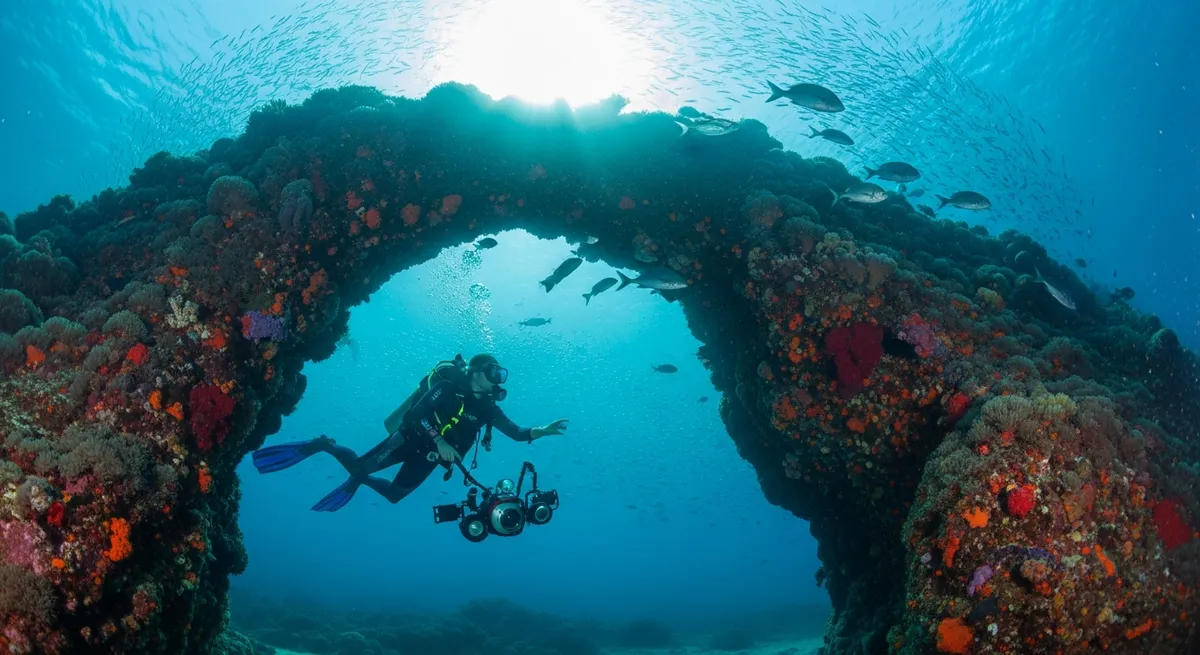

Dive into the Poor Knights' volcanic labyrinth, where ancient eruptions forged an incredible underwater landscape of sea caves, arches, and dramatic swim-throughs. Explore famous sites like the Cathedral Cave, teeming with vibrant marine life, making it a world-renowned cavern diving paradise.
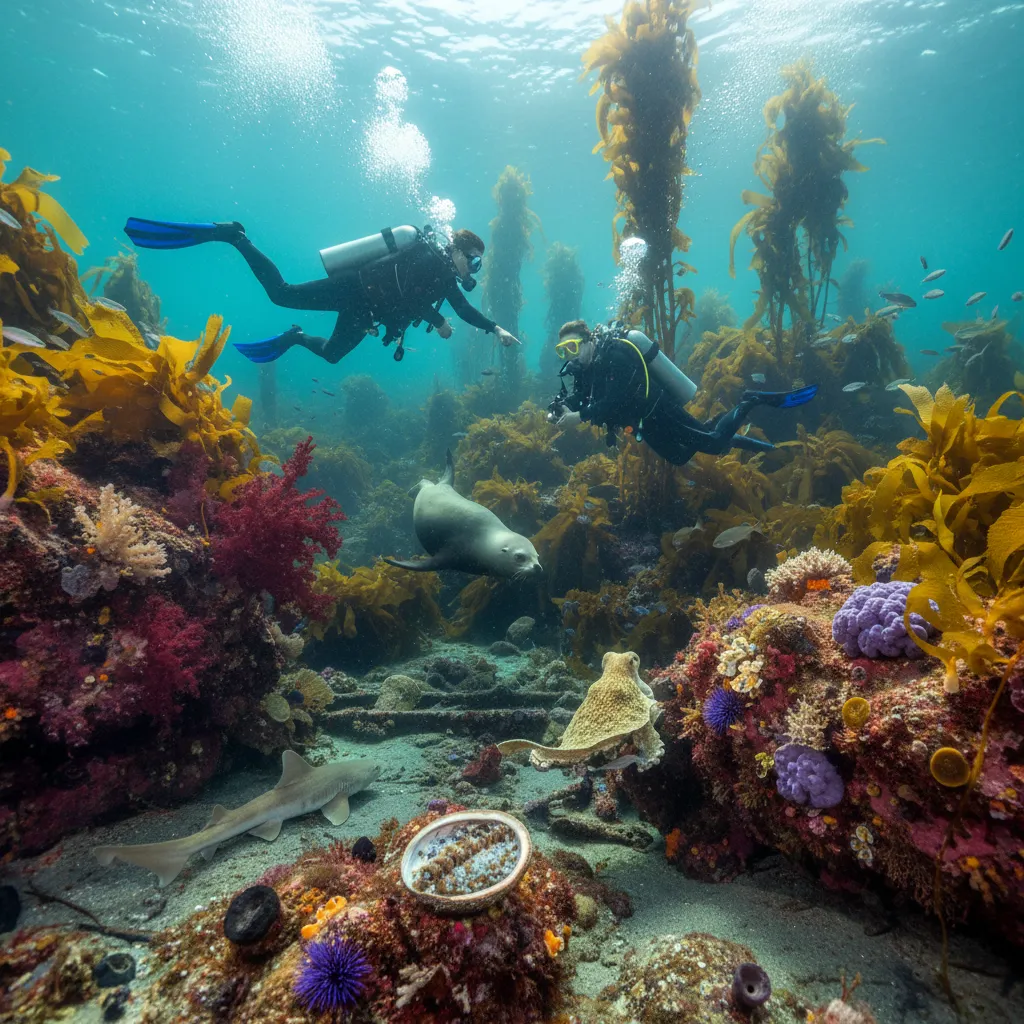

Discover the Western Cape's unique overhead environments, featuring exhilarating shipwreck penetration and natural grottoes formed by ancient rock. Dense kelp forests create enchanting tunnel-like swim-throughs, offering distinct cavern-like experiences. This region delivers diverse and thrilling enclosed underwater adventures.
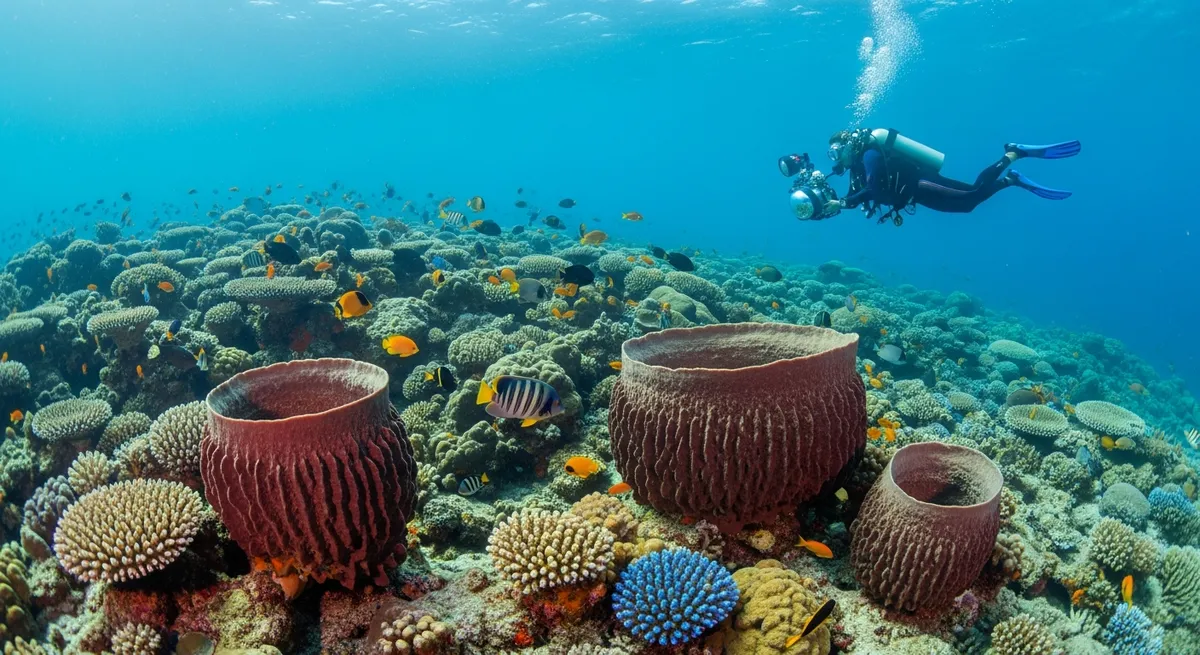
Beyond its famous drift dives, Cozumel offers exhilarating cavern experiences for advanced divers. Navigate the iconic Devil's Throat, a unique deep wall tunnel offering dramatic overhead environments and breathtaking formations. This challenging dive delivers an unforgettable cavern adventure.

About This Collection
Cave and cavern diving occupy a unique place in the diving world. Cavern diving - the exploration of the light zone near cave entrances - is accessible to recreational divers with appropriate training and supervision. Full cave diving, venturing beyond natural light into passage systems that can extend for kilometres, requires dedicated cave diving certification, specialised equipment, and meticulous planning. Both offer extraordinary experiences found nowhere else underwater.
Mexico's Yucatan Peninsula is the global epicentre of cave diving. The cenote systems - natural sinkholes connecting to vast underground river networks - offer visibility exceeding 100 metres in water so clear it can feel like floating in air. The Riviera Maya alone has over 300 explored cenotes, with systems like Sac Actun (the world's longest underwater cave at over 370 kilometres) attracting divers from around the world.
Florida's cave systems, fed by underground springs, offer a different character - tannin-stained waters, dramatic flow, and challenging navigation that has made them the birthplace of modern cave diving techniques. In Europe, the flooded mines and natural caves of France, Spain, and Croatia provide world-class cave diving with unique geological formations.
Looking for more options? Best Cave Diving Destinations lists all dive sites of this type worldwide.