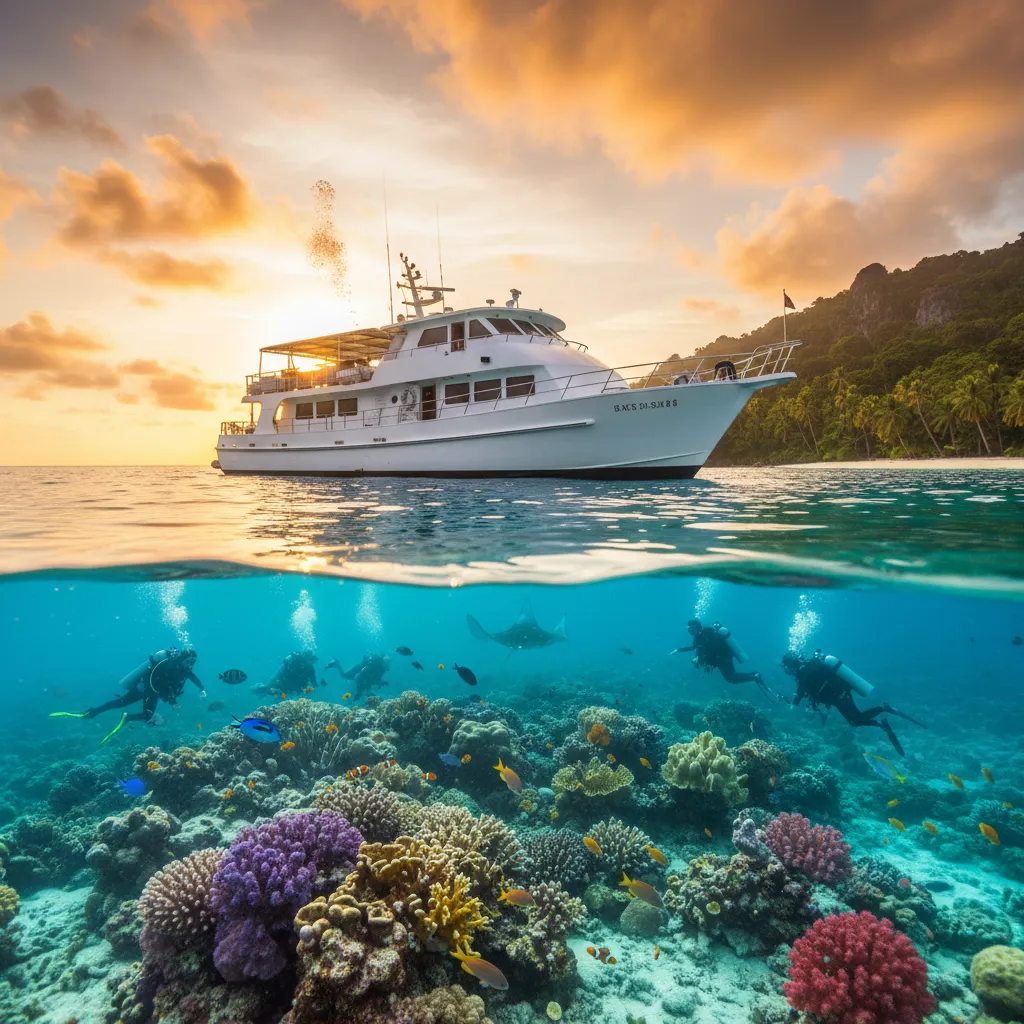
Best Liveaboard Diving Trips
Liveaboard diving is the ultimate way to experience the ocean - sleeping, eating, and diving aboard a boat that takes you to the most remote and spectacular dive sites on the planet. From the hammerhead highways of the Galápagos to the pristine walls of the Red Sea, liveaboards access sites that day boats simply cannot reach and allow 3-5 dives per day in locations where you may be the only divers in the water. There is no better way to maximise your bottom time and minimise your time on land.
11 destinations in this collection
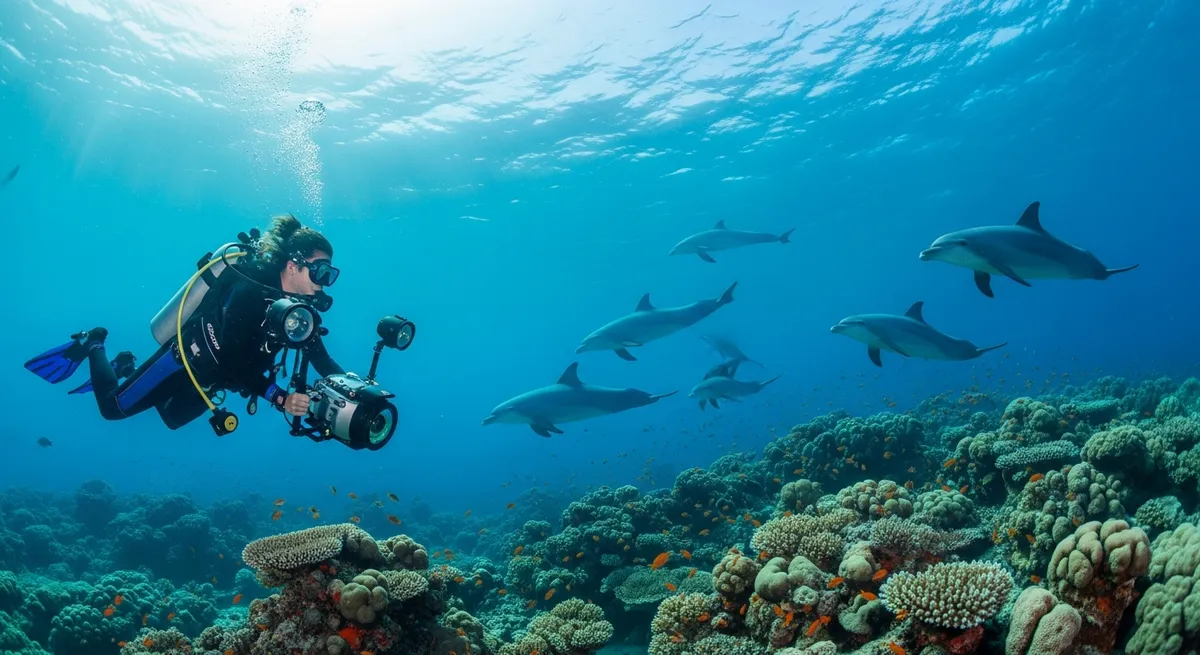

Iconic liveaboard route to Brothers, Daedalus, and Elphinstone - shark-patrolled walls and pristine coral in the open Red Sea.
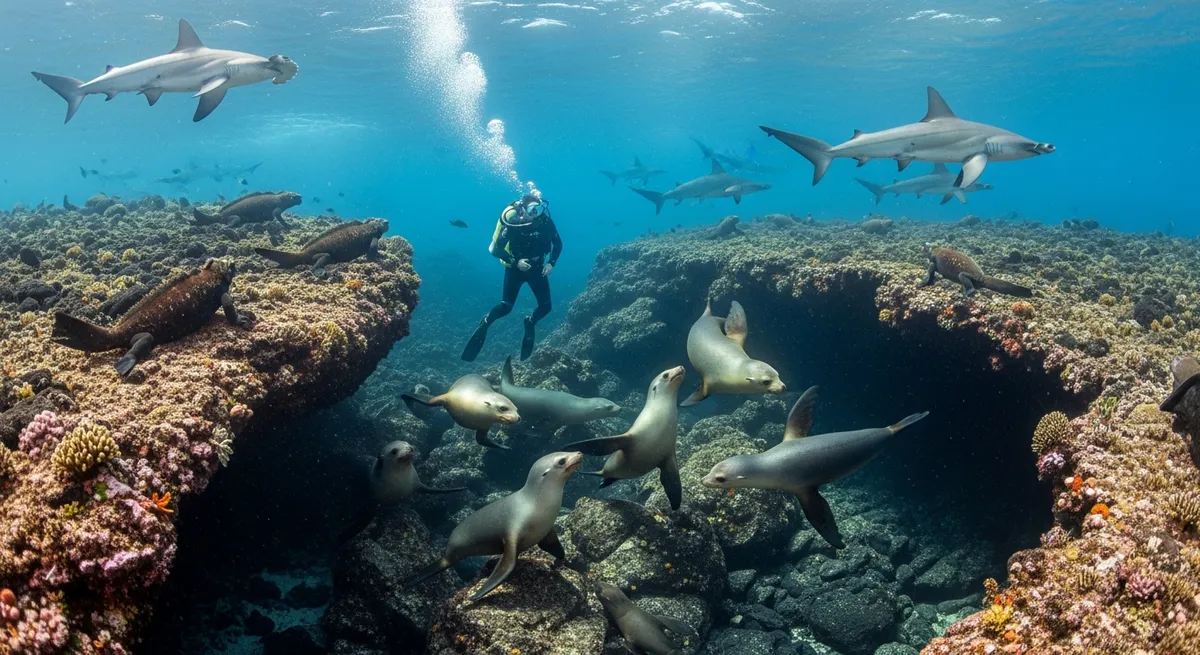
Galápagos Islands, Ecuador
Ecuador
The ultimate liveaboard expedition - hammerhead schools at Wolf & Darwin, whale sharks, marine iguanas, and penguins.
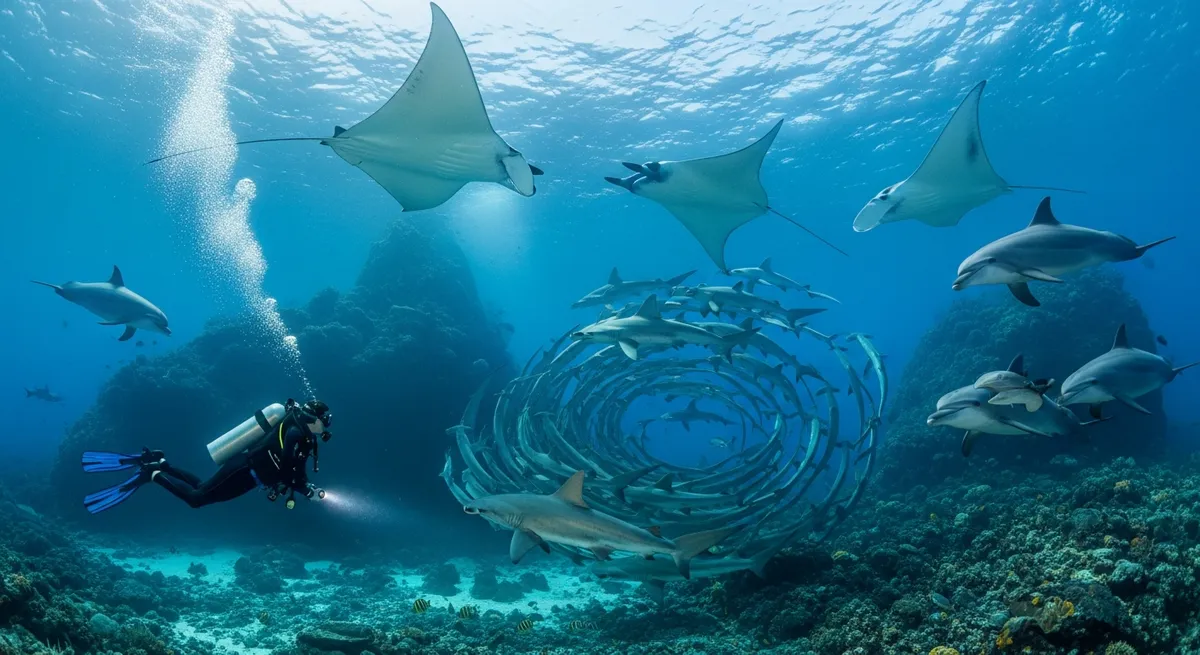
Socorro Islands, Mexico
Mexico
Remote Pacific archipelago with giant manta rays, humpback whales, and schooling hammerheads on every dive.
Raja Ampat, Indonesia
Indonesia
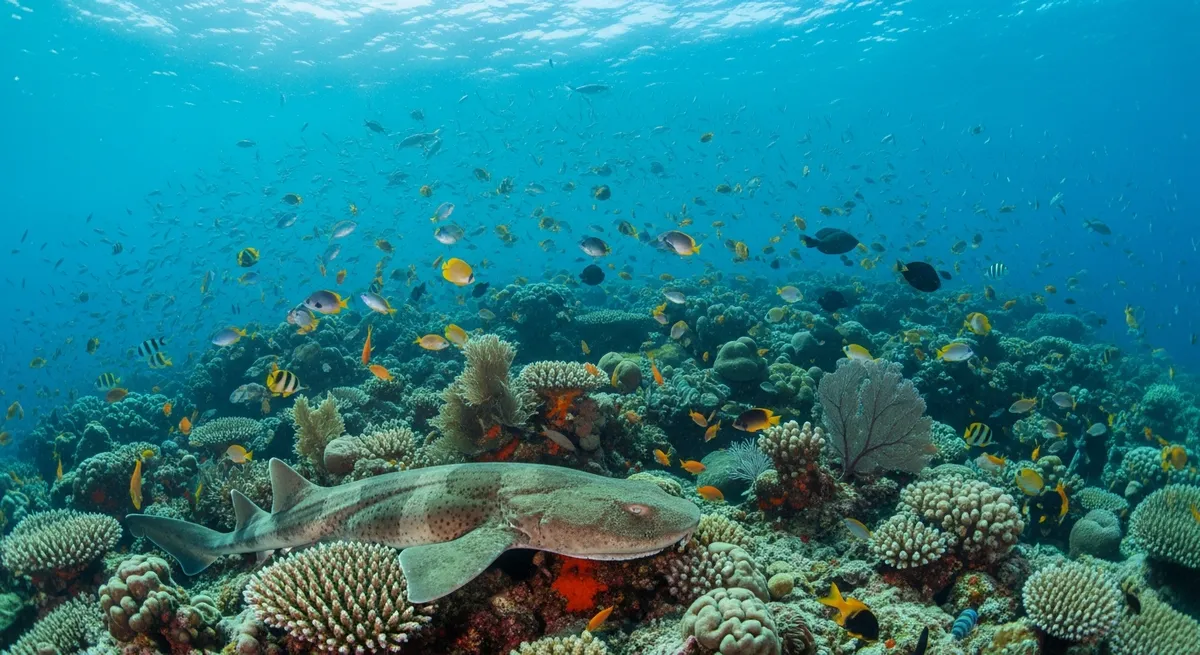
Liveaboard cruises through the world's most biodiverse marine region, accessing remote reefs impossible to reach from shore.
Cocos Island, Costa Rica
Costa Rica
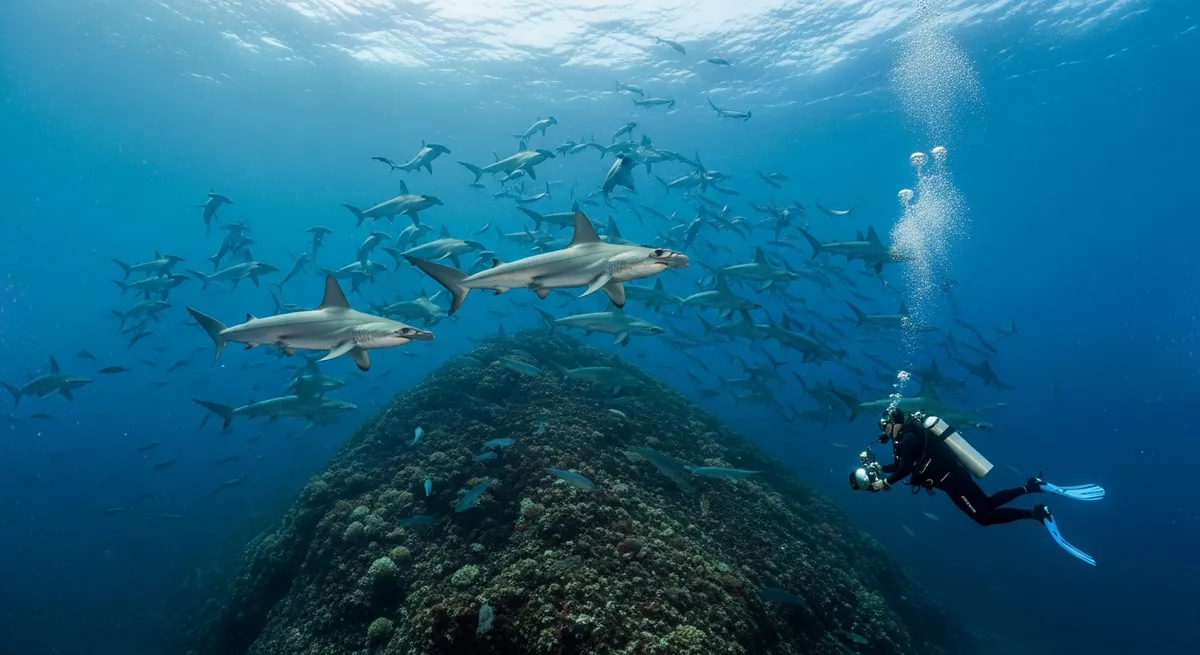
36-hour ocean crossing rewarded by hammerhead highways, whale sharks, and untouched reefs at this UNESCO World Heritage Site.
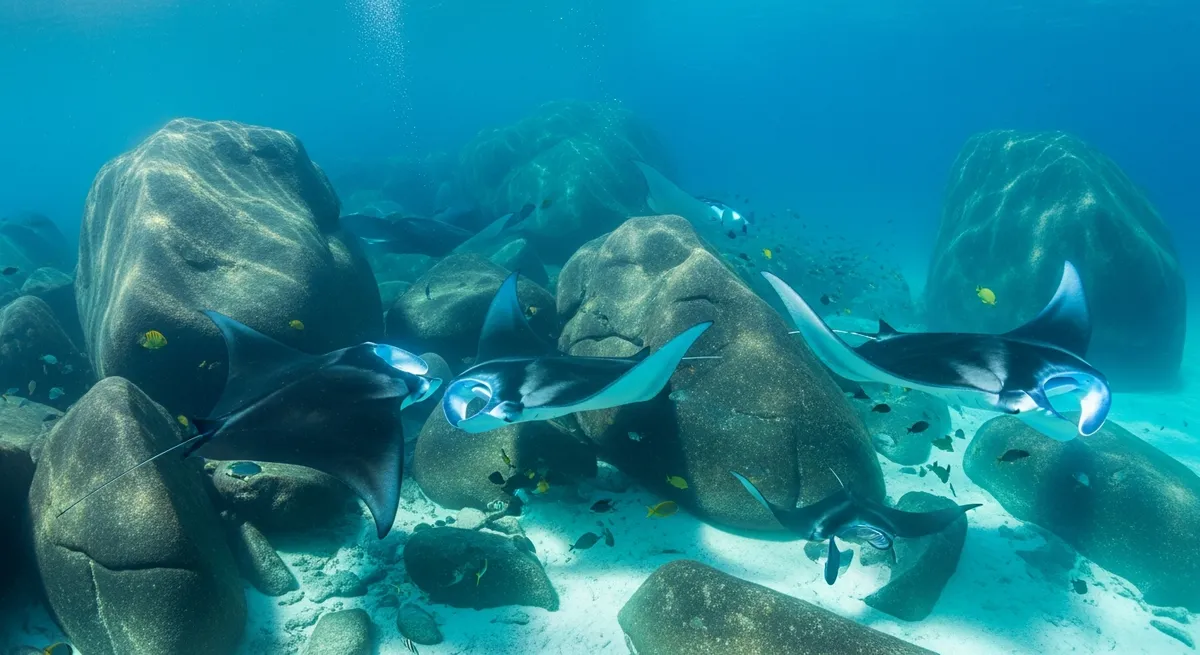
Similan Islands, Thailand
Thailand
Thailand's premier liveaboard destination with granite boulders, manta cleaning stations, and whale shark season from February to April.
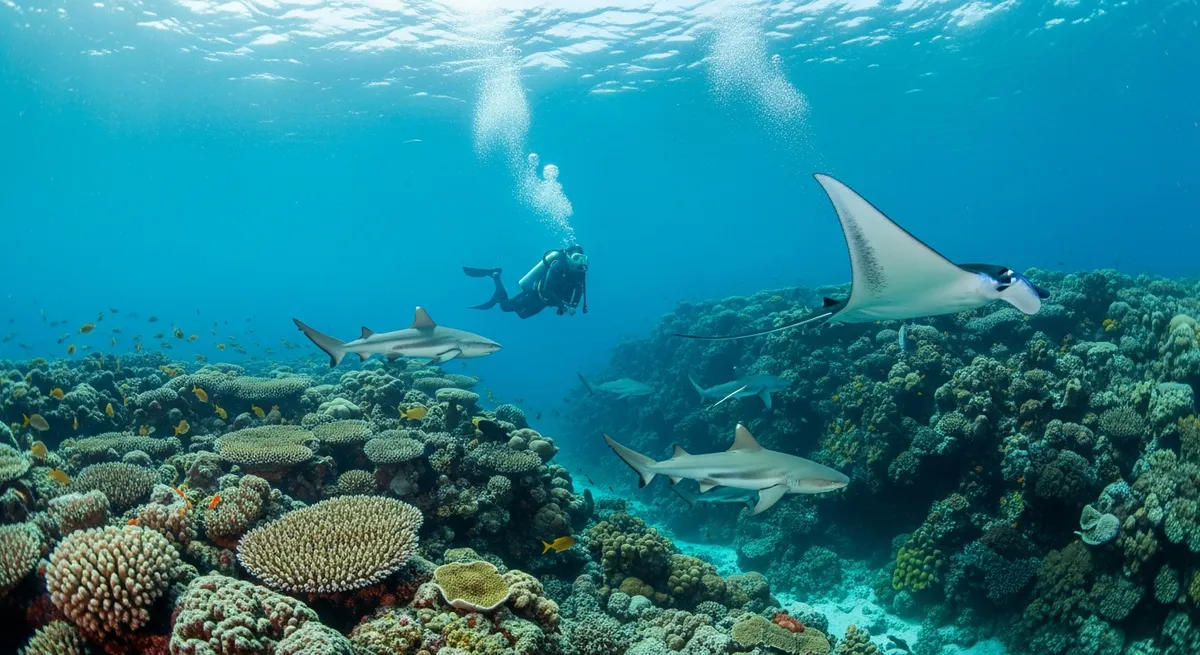
Tubbataha Reef, Philippines
Philippines
Remote Philippine reef accessible only by liveaboard during the March-June season, with pristine walls and pelagic action.
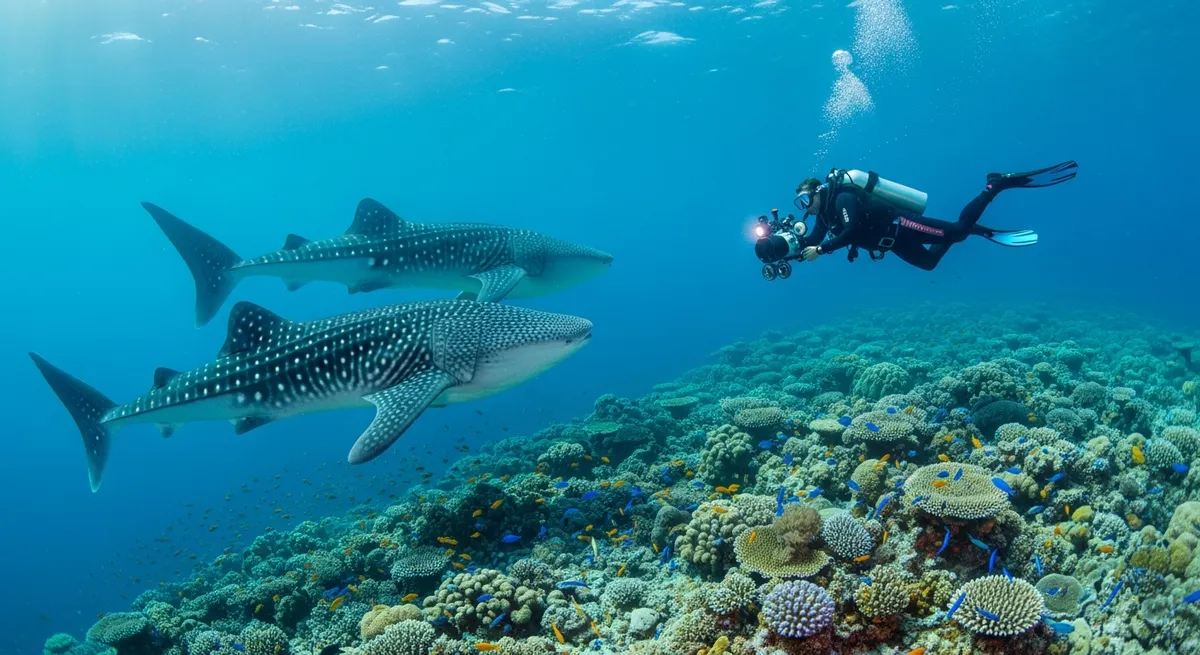
Al Lith: Saudi's Untouched Red Sea Wilderness
Saudi Arabia
Discover Al Lith, your gateway to Saudi Arabia's pristine Red Sea, unlocking unparalleled liveaboard access to legendary marine parks like Brothers, Daedalus, and Elphinstone. This region promises thrilling encounters with sharks, vibrant coral walls, and untouched marine biodiversity, making it a premier liveaboard destination for advanced divers seeking remote adventure.
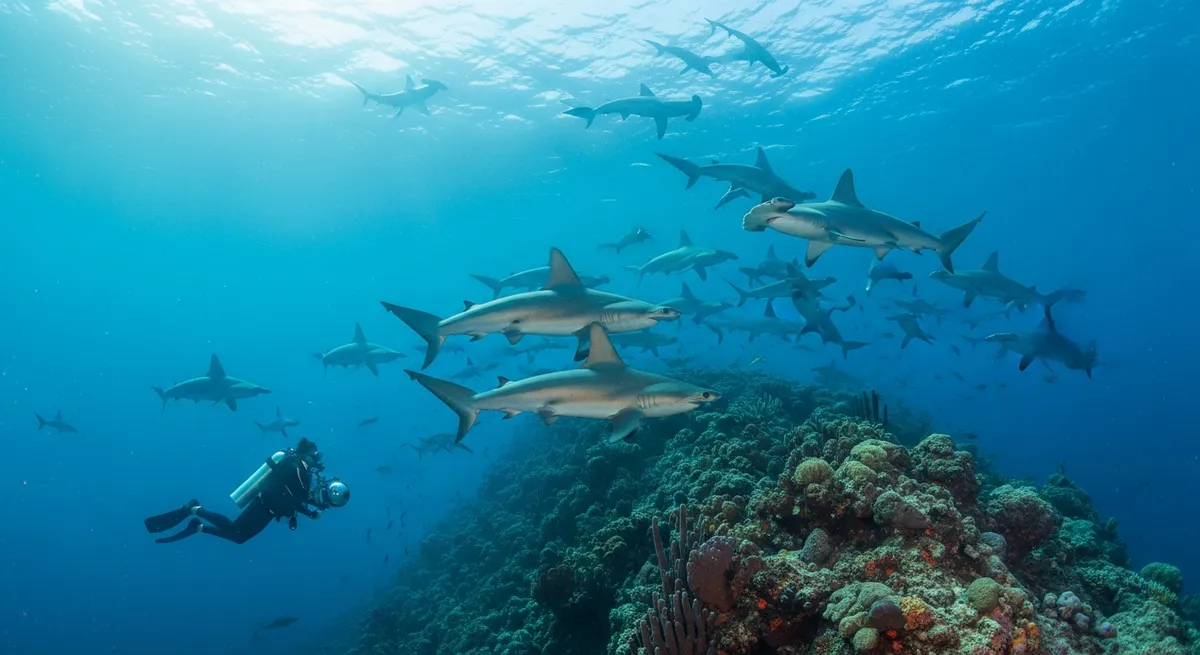

Malpelo Island, a remote oceanic pinnacle, is a pelagic hotspot famed for massive schools of sharks and hammerheads. Reachable only by liveaboard, this guarantees intense, unparalleled big animal encounters, making it a top global destination for experienced divers seeking premier liveaboard trips.
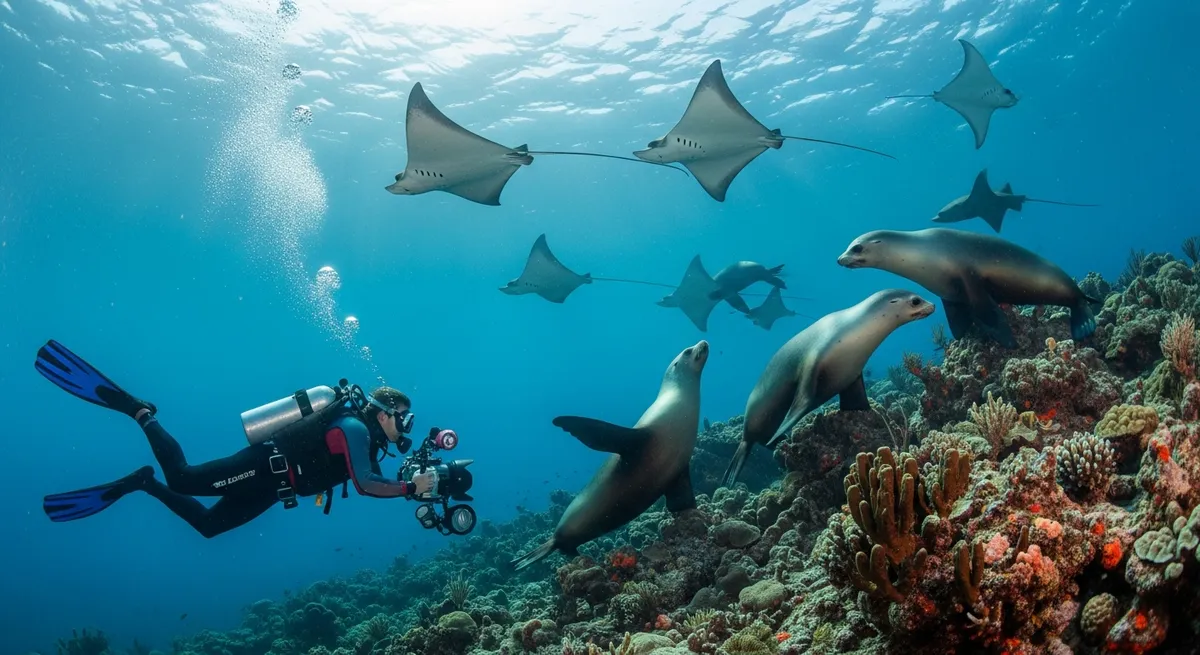
A liveaboard is essential to experience the full biodiversity of the Sea of Cortez, often called "the world's aquarium." It unlocks remote pelagic sites, offering unparalleled opportunities to interact with playful sea lions and witness schooling mobula rays. This allows divers to reach otherwise inaccessible marine encounters, making every trip a unique adventure.
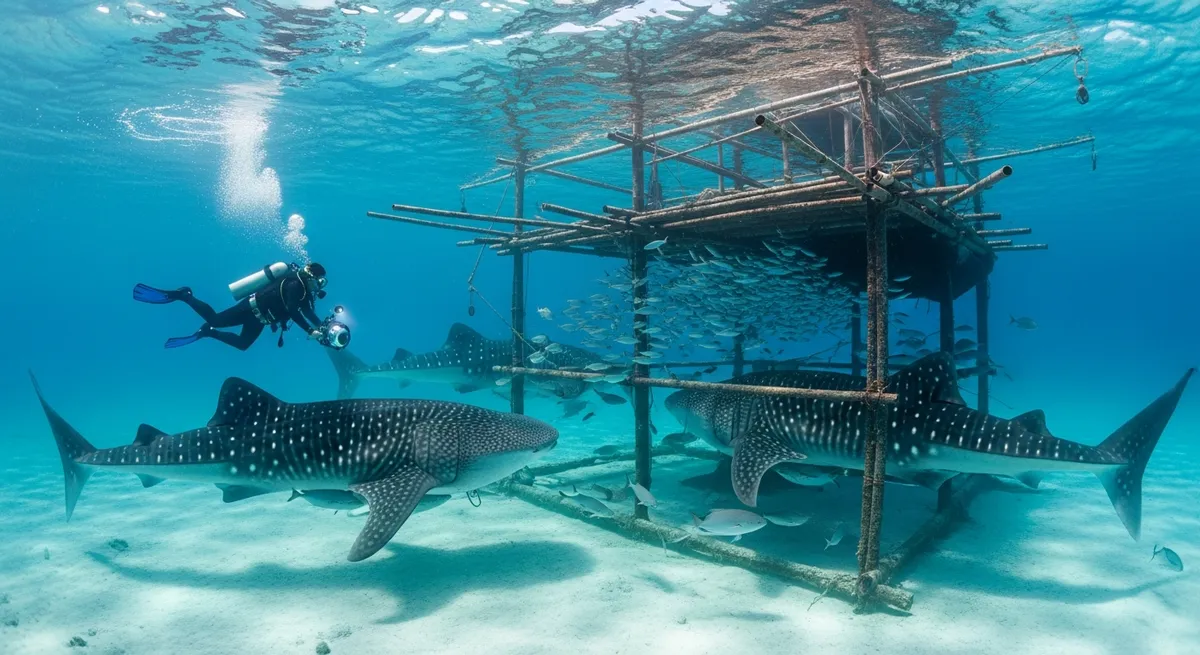
Cenderawasih Bay is unparalleled for remarkably consistent, up-close encounters with filter-feeding whale sharks, often experienced daily. Its remote location makes a liveaboard indispensable, providing exclusive access to these spectacular interactions and the bay's pristine, biodiverse reefs.
About This Collection
Why Choose a Liveaboard?
Liveaboards offer three fundamental advantages over land-based diving. First, access - the world's best dive sites are often hours from the nearest port, making day trips impossible. Second, immersion - with 3-5 dives per day over a week, you log 20-30 dives and develop an intimate familiarity with the marine environment that a few shore dives can never match. Third, timing - liveaboards can be at the dive site at dawn when the pelagics are most active, rather than arriving mid-morning after a long boat ride.
Choosing Your First Liveaboard
Egypt's Red Sea is the most popular liveaboard destination globally, offering excellent value, reliable conditions, and world-class wrecks and reefs. Routes range from the northern wrecks (Thistlegorm, Rosalie Moller) to the southern reefs (Brothers, Daedalus, Elphinstone) where shark encounters are virtually guaranteed. The Maldives is ideal for those wanting manta rays and whale sharks in warm water with superb visibility. For maximum adventure, the Galápagos, Socorro, and Cocos Island deliver life-changing encounters with large marine animals.
What to Pack
Space is limited on liveaboards. Bring soft bags rather than hard suitcases, a reef-safe sunscreen, motion sickness medication if needed, and your own well-fitting mask and dive computer. Camera gear should be packed in padded cases. Most boats provide towels, toiletries, and wetsuits, but confirm with your operator before departure.