Diving in Cenderawasih Bay
Why dive here
Cenderawasih Bay offers some of Indonesia's richest diving, with 84+ marine species recorded in the area - including whale sharks and mantis shrimp. Water ranges 27-31°C, warmest January, March, December.
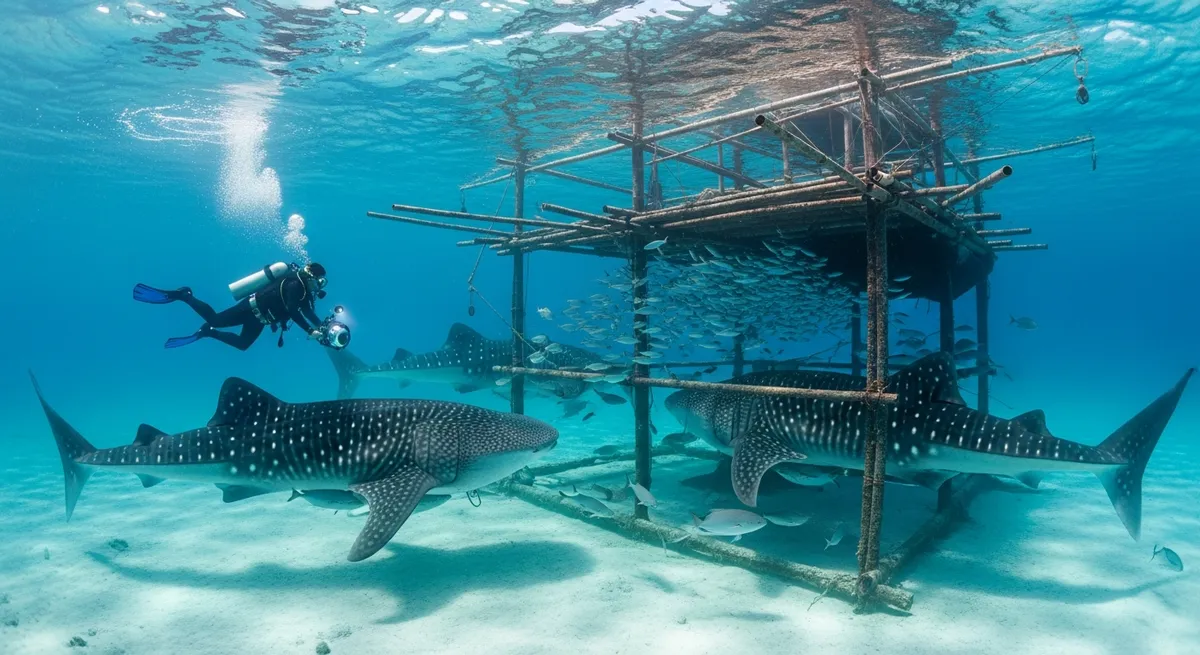
Cenderawasih Bay feels like stepping back in time, a truly unique corner of Papua. We love it because it’s one of the few places where you can consistently dive with whale sharks, often multiple individuals, pretty much any day of the year. They hang out near the local *bagans* - those traditional fishing platforms - and seem completely unfazed by divers. We’ve had encounters where they circle for an hour, their rough skin brushing past as they filter feed. Beyond the big fish, the endemic species here are fascinating; keep an eye out for the Cenderawasih fusilier, a flash of yellow and purple that’s special to this bay. The dive sites offer a real mix, from healthy reefs draped in Montipora and staghorn corals to some surprisingly good muck diving, particularly around the shallower parts near the *bagans*. We’ve found the currents generally mild, making it a relaxed experience, which is a bonus when you’re busy trying to count the spots on a whale shark’s back. While there aren’t dive centres on shore, liveaboards are the way to go here, offering access to its more remote reaches. Our advice? Go slow. Take your time with the whale sharks, then switch gears and scour the reef for those smaller, endemic beauties.
Cenderawasih Bay Dive Site Map
Dive sites and dive centres in Cenderawasih Bay
Cenderawasih Bay Dive Sites
30 dive sites in Cenderawasih Bay
3 Rocks
3 Rocks in Cenderawasih Bay offers divers a straightforward rocky reef experience. We typically find a good mix of smaller reef fish here, darting amongst the crevices and overhangs. It's a solid choice for a second dive of the day, or for divers looking for a more relaxed pace without strong currents.
Andie Reef
Andie Reef in Cenderawasih Bay offers a straightforward coral reef dive. You'll find a healthy mix of hard and soft corals here, providing shelter for the usual reef fish. It's a solid option for a relaxed dive, good for photographers keen to slow down and capture some macro life, or for those new to the area getting their fins wet.
Aquarium
Aquarium in Cenderawasih Bay delivers on its name, offering a sheltered dive in calm conditions. You’ll find a bustling reef scene here, with fusiliers and damselfish moving in thick schools among the corals. It’s a comfortable site, good for knocking off a few dives and enjoying the general ambiance of the bay, suitable for divers who prefer a relaxed pace.
Bagus
Bagus in Cenderawasih Bay offers a straightforward dive. Expect to cruise along a gently sloping reef, spotting the usual suspects like angelfish and parrotfish flitting among the corals. It's a relaxed site, good for knocking off the rust or for those who prefer a less strenuous dive, allowing plenty of time for observation.
Cenderawasih Bay
Cenderawasih Bay, a bit further east than Raja Ampat, really makes a name for itself with its resident whale sharks. We're talking multiple animals, often quite curious, a truly unique interaction. Beyond the big fish, there’s also some excellent muck diving, where we’ve found frogfish, pipefish, and nudibranchs among the silt and rubble. Plus, if you’re into history, there are several WWII wrecks scattered around, offering a different kind of dive. It’s a compelling spot, especially for divers who’ve done the usual suspects and are looking for something a bit more off the well-trodden path.
Cenderawasih Diving: West Papua, New Guinea Island
Cenderawasih Bay offers a unique kind of Indonesian diving, a bit off the main liveaboard circuit. You’ll find some genuinely healthy reefs here, though for us, the big draw is the chance to spend time with whale sharks. They’re a regular feature, often curious and comfortable with divers. Beyond the pelagics, there's a good showing of macro life and some interesting wreck diving, making it a solid choice for those who enjoy a mix of underwater experiences, from beginners to more advanced divers. It’s not the most accessible spot, but that’s part of its charm.
Conservation House Reef
The Conservation House Reef in Cenderawasih Bay offers a straightforward coral dive. It’s a good spot for a relaxed second or third dive, letting you take your time exploring the reef structure. Expect to see the usual reef fish. This site works well for newer divers or those who prefer calmer conditions.
Cristmas Rock
Cristmas Rock in Cenderawasih Bay offers a straightforward dive, mostly exploring rocky formations. It's a solid choice for divers who enjoy topography over pelagics. You’ll find the usual reef suspects here, lots of smaller fish darting in and out of crevices. We’d recommend it as a pleasant, easy dive, good for a relaxed afternoon.
Disney Land
Disney Land in Cenderawasih Bay offers a relaxed dive, usually with minimal current. We’ve found pygmy seahorses tucked into gorgonian fans here, and often spot wobbegong sharks resting on the sandy bottom. It’s a good spot for macro enthusiasts and photographers looking for smaller subjects without a fight against the water.
Dramai
Dramai in Cenderawasih Bay offers a unique glimpse into World War II history. We’ve explored the remains of a Japanese Zero fighter plane, largely intact and resting on the seabed. It’s a fascinating, somber dive, best for those interested in wreck diving and history rather than vibrant coral. Visibility can vary, so pick your day carefully.
Fresh Waters
Fresh Waters in Cenderawasih Bay offers a distinctive dive, characterized by the surprising thermocline where freshwater runoff meets the ocean. You'll feel the temperature shift dramatically and see the visible shimmer as the two layers mix, often providing unusual lighting and visibility effects. It’s a site for divers looking for something a bit different, less about abundant coral and more about a unique aquatic phenomenon.
GT Rock
GT Rock, in Cenderawasih Bay, feels exactly like its name suggests: a large rock formation. It's a magnet for pelagic action. We often see schools of jacks circling, and the occasional dogtooth tuna zips past. This site is a good pick for divers keen on bigger fish rather than intricate reef exploration.
Cenderawasih Bay Dive Centres
No dive centres listed in Cenderawasih Bay yet. Browse all dive centres.
Ocean Wildlife in Cenderawasih Bay
84 species recorded in Cenderawasih Bay
Cenderawasih Bay Daylight & Sunrise/Sunset
Sunrise and sunset times for Cenderawasih Bay, calculated from coordinates
Today - Sunday 11 October
Sunrise
05:45
Sunset
17:55
Daylight
12h 10m
Golden Hour
17:28
First light (dawn) at 05:24 · Last light (dusk) at 18:16
Monthly Averages
| Month | Sunrise | Sunset | Daylight |
|---|---|---|---|
| Jan | 06:03 | 18:22 | 12h 19m |
| Feb | 06:11 | 18:25 | 12h 14m |
| Mar | 06:09 | 18:16 | 12h 8m |
| Apr | 06:02 | 18:04 | 12h 2m |
| May | 06:01 | 17:58 | 11h 57m |
| JunShortest | 06:07 | 18:01 | 11h 54m |
| Jul | 06:11 | 18:07 | 11h 55m |
| Aug | 06:08 | 18:08 | 11h 59m |
| Sep | 05:56 | 18:01 | 12h 5m |
| OctNow | 05:43 | 17:55 | 12h 11m |
| Nov | 05:39 | 17:57 | 12h 17m |
| DecLongest | 05:48 | 18:08 | 12h 20m |
Times are approximate local times based on longitude. Actual times may vary slightly depending on the exact timezone observed in Cenderawasih Bay.
Where to Stay near Cenderawasih Bay
Prices from Booking.com. We may earn a commission at no extra cost to you.
Marine Protected Areas near Cenderawasih Bay
5 protected areas near Cenderawasih Bay - please respect local regulations when diving
Teluk Cendrawasih
KK Kaimana
KK Teluk Berau dan Teluk Nusalasi-Van Den Bosch
KKP-10 Teluk Bintuni
Pulau Venu
Getting to Cenderawasih Bay
Kaimana
Nabire
Babo
Plan & book
Ways to dive Cenderawasih Bay, from day trips to liveaboards.
Day trips & courses
via GetYourGuideGuided dives, courses and snorkel trips with instant booking.
Find dive trips in Cenderawasih BayPlaces to stay
via Booking.comHotels and dive resorts near Cenderawasih Bay.
Search stays in Cenderawasih BayDive insurance
Most travel insurance excludes or limits scuba. Check what you need before you go.
Dive insurance explainedPartner links: we may earn a commission if you book, at no extra cost to you. How we make money