Historical Shipwreck Dives
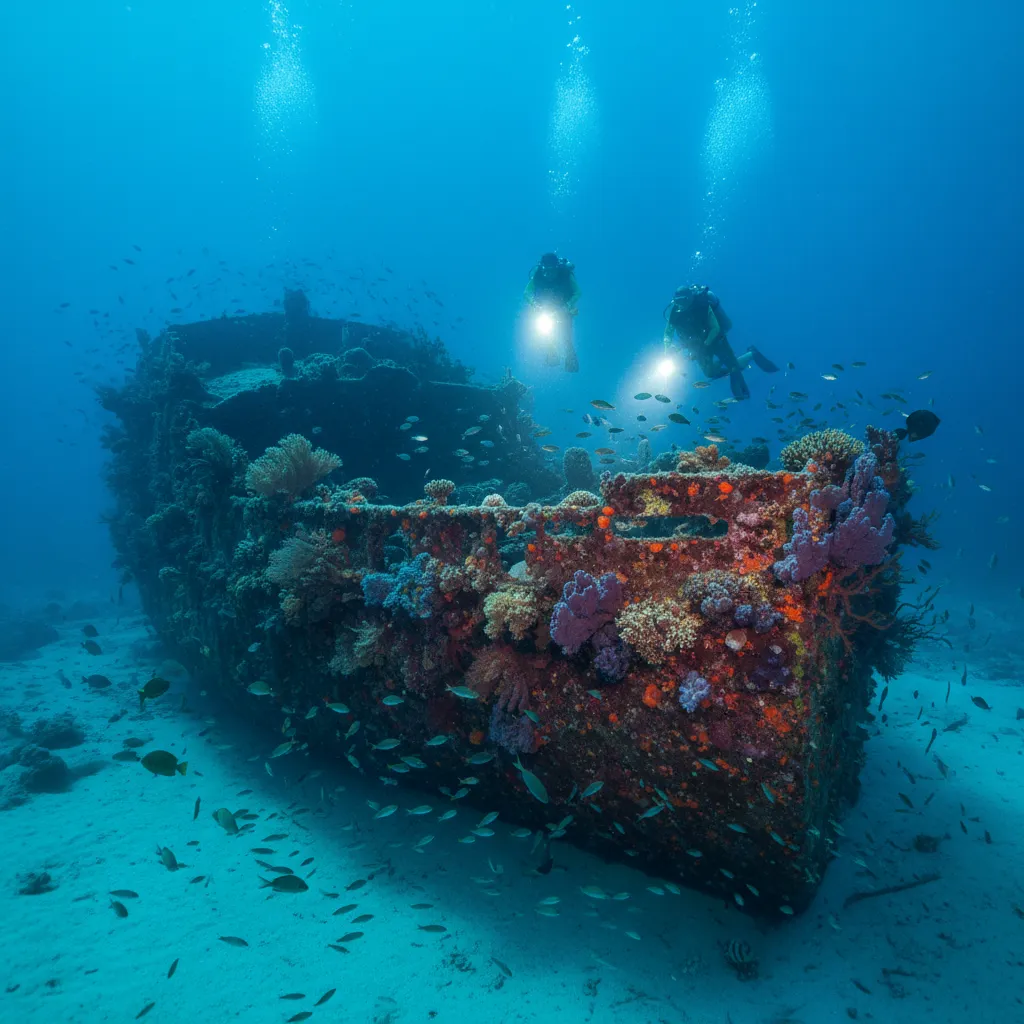
Every shipwreck tells a story - of war, of commerce, of disaster, and of the ocean's patient power to reclaim human creations. These historical wrecks are underwater time capsules, preserving moments in history that would otherwise be lost. From World War II cargo ships with their holds still packed with military vehicles to ancient trading vessels laden with pottery and coins, wreck diving combines the thrill of exploration with the gravity of history in a way that no other diving experience can match.
11 destinations in this collection
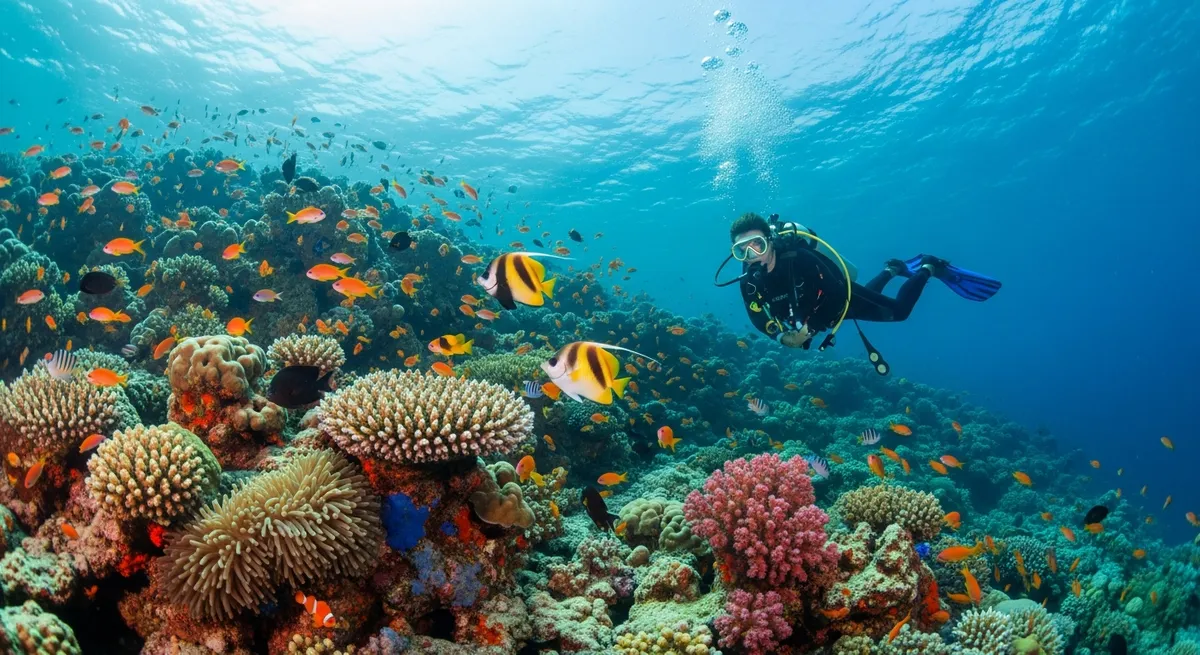

The world's most famous wreck - a WWII cargo ship with motorcycles, trucks, and locomotives perfectly preserved at 30 metres.
Scapa Flow, Scotland
United Kingdom
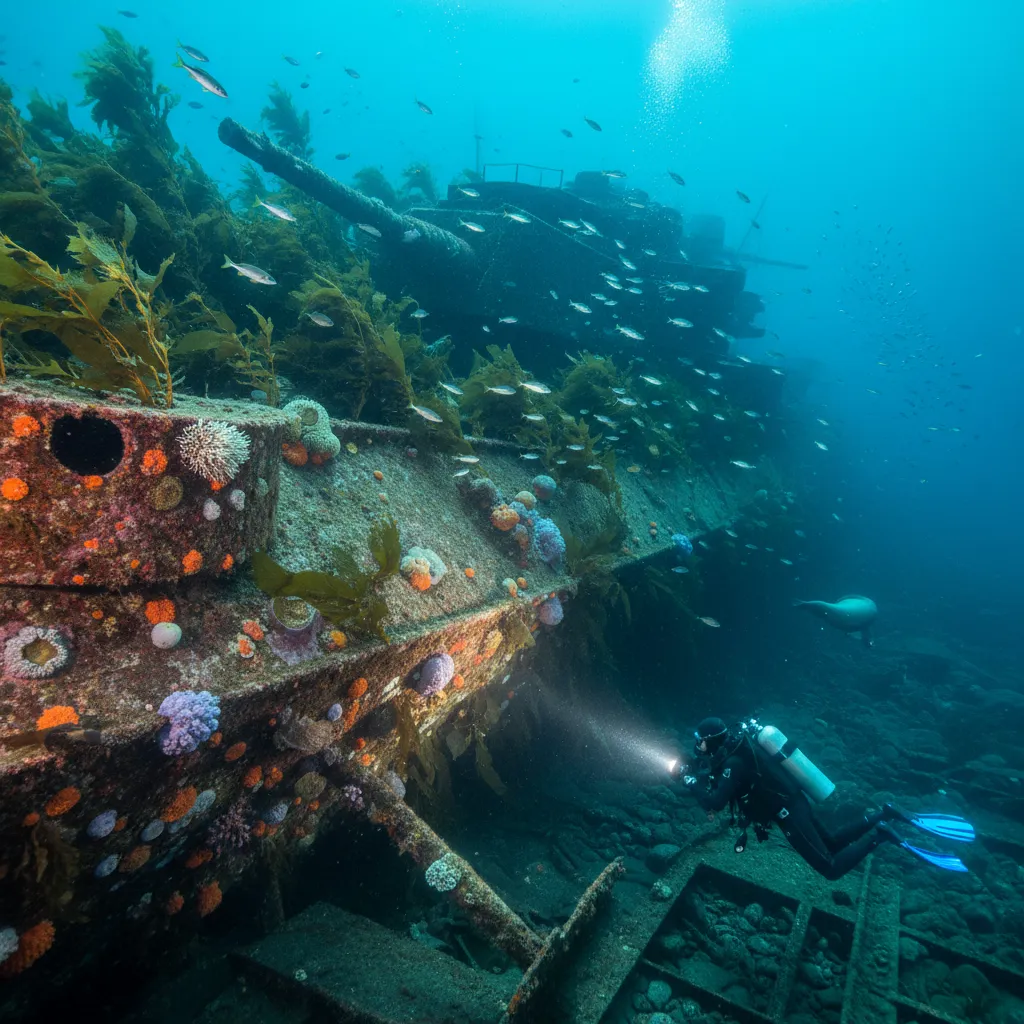
Seven scuttled WWI German battleships and cruisers in cold, clear water - the most historically significant wreck diving on Earth.
Truk Lagoon, Micronesia
New Caledonia
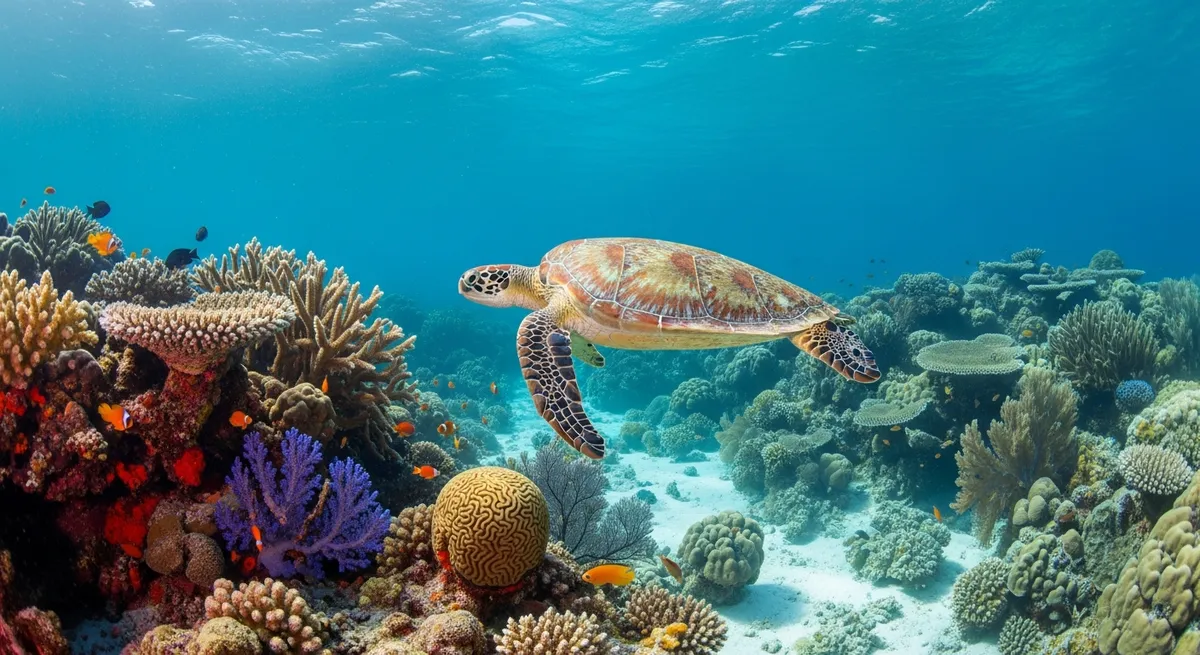
Over 60 Japanese WWII warships and aircraft in a sheltered lagoon - the greatest concentration of diveable wrecks anywhere.
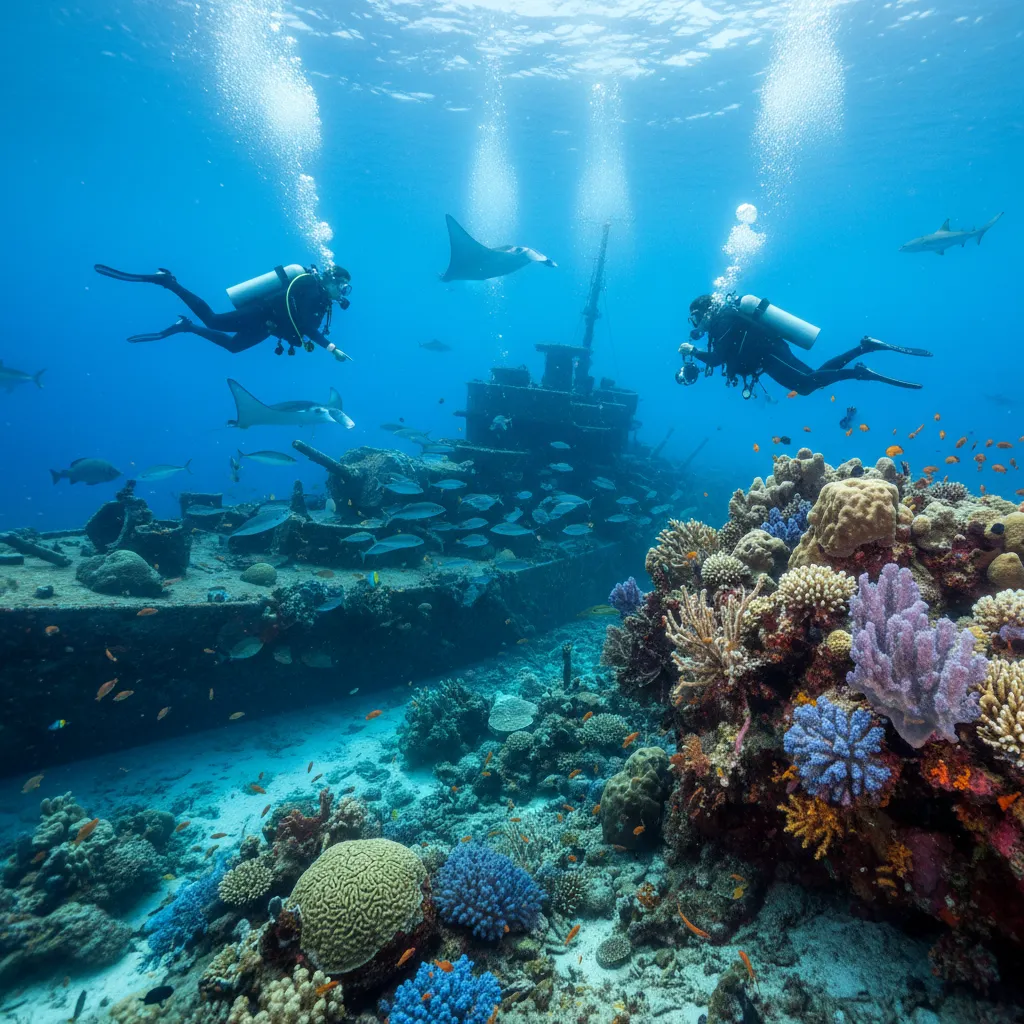
Bikini Atoll, Marshall Islands
Marshall Islands
Nuclear test fleet including the aircraft carrier USS Saratoga and battleship HIJMS Nagato - diving on atomic history.
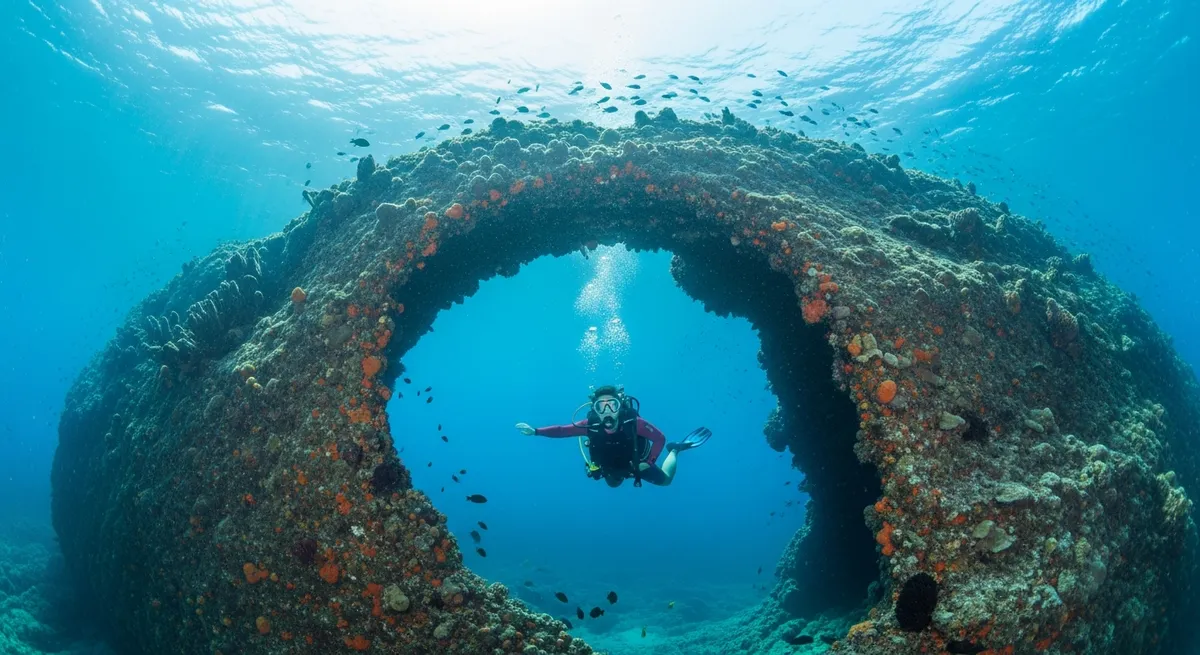
Malta & Gozo Wrecks
Malta
WWII wrecks and deliberately scuttled vessels in crystal-clear Mediterranean water with exceptional visibility year-round.
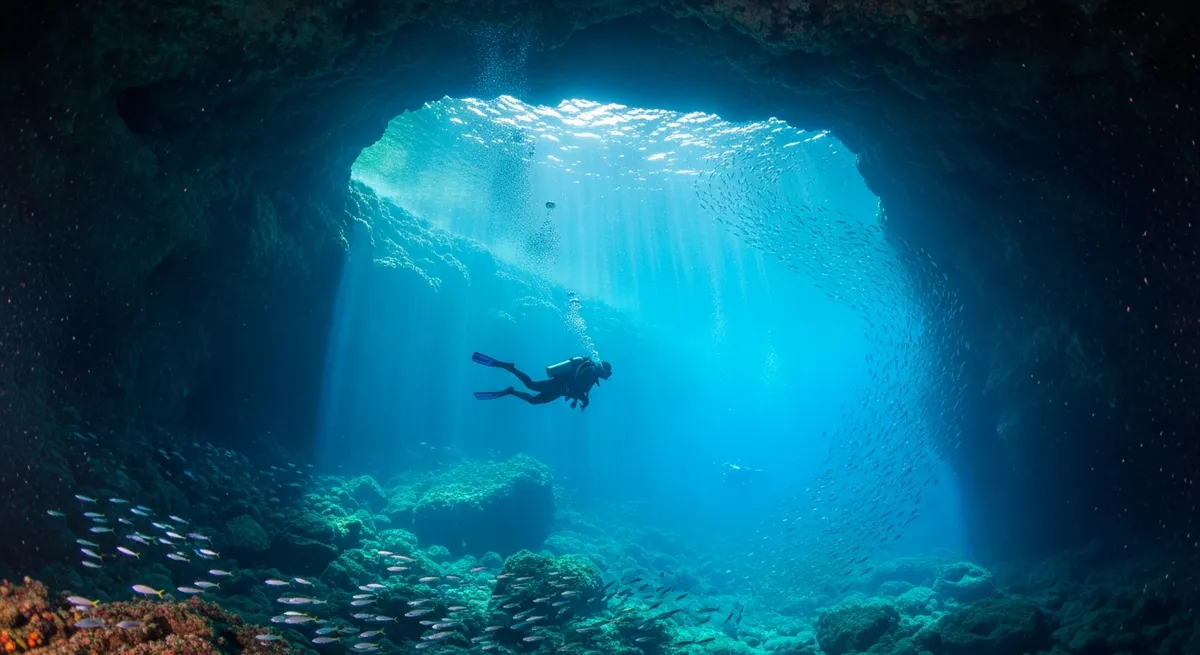
Vis, Croatia
Croatia
WWII wrecks in the crystal-clear Adriatic including bombers, patrol boats, and ancient Roman trading vessels.
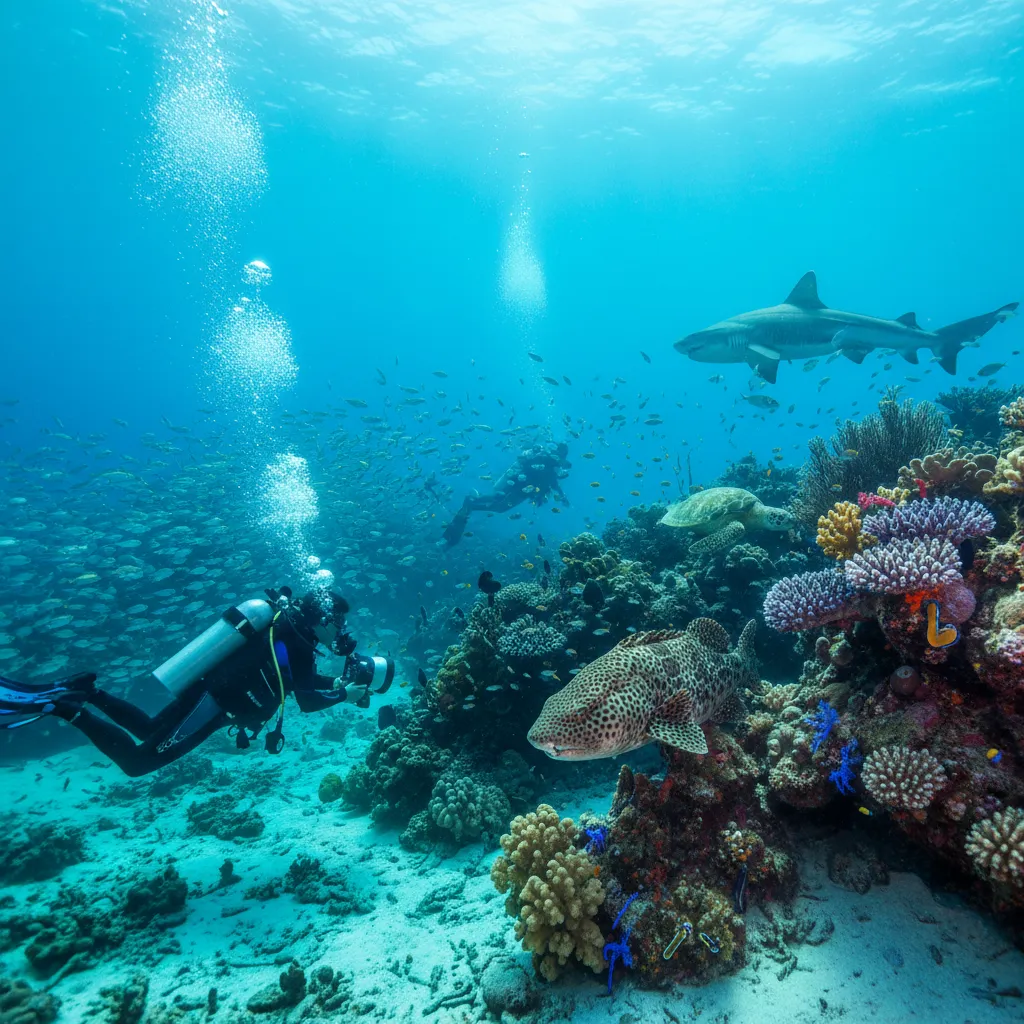
Aliwal Shoal, South Africa
South Africa
WWII wrecks colonised by vibrant marine life alongside sand tiger sharks in the warm Agulhas Current.
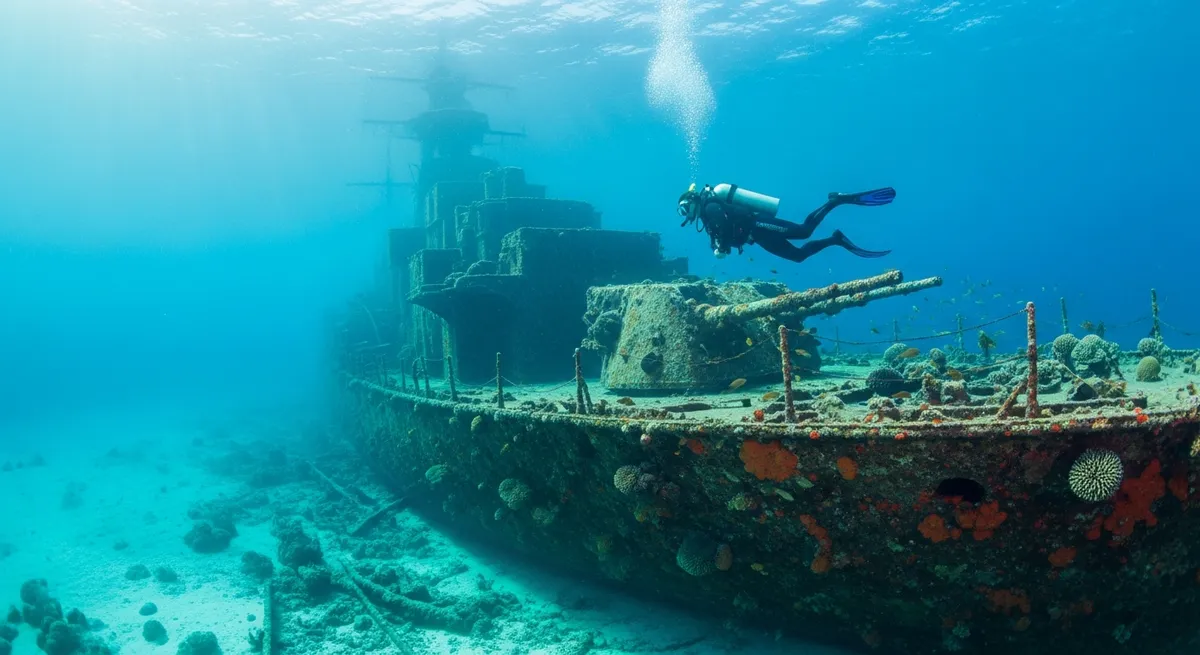
Malta's strategic position in the Mediterranean has made it a graveyard for ships across millennia. Its waters hold an incredible array of historical wrecks, from ancient Phoenician and Roman vessels to numerous World War II planes, submarines, and merchant ships, offering a unique dive into maritime history.
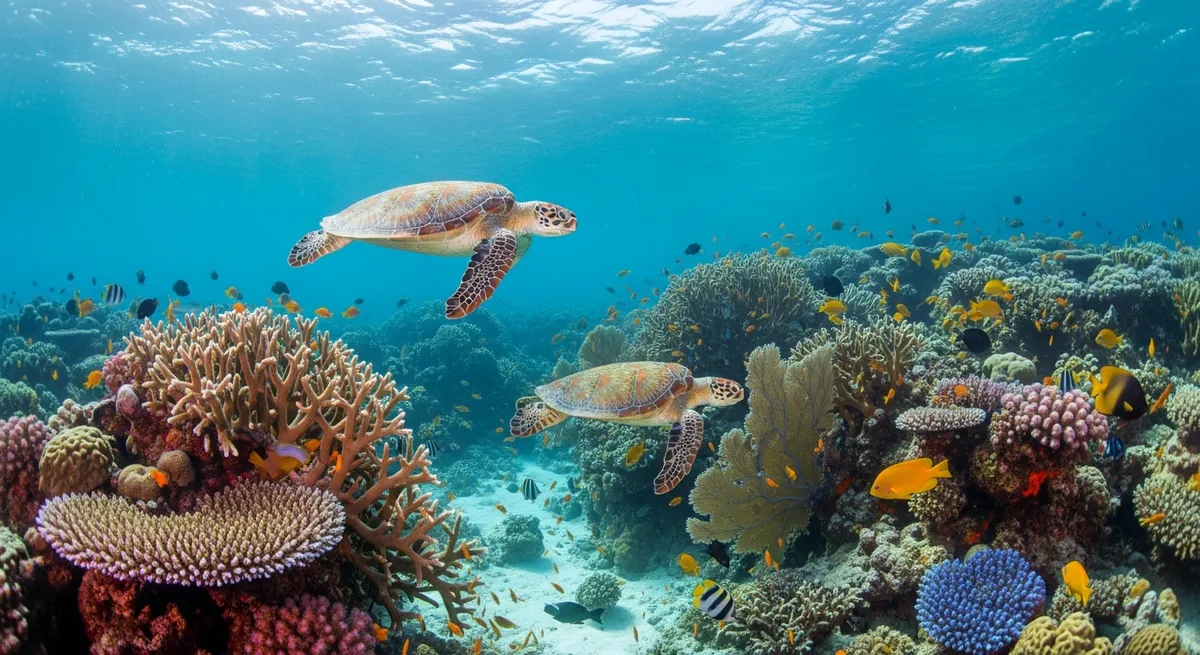

Known as America's 'Shipwreck Alley,' the Florida Keys offer an unparalleled journey into maritime history. Explore the ghostly remains of Spanish treasure fleets, Civil War vessels, and other significant wrecks scattered across the vibrant reefs, each telling a story of daring voyages and dramatic ends.
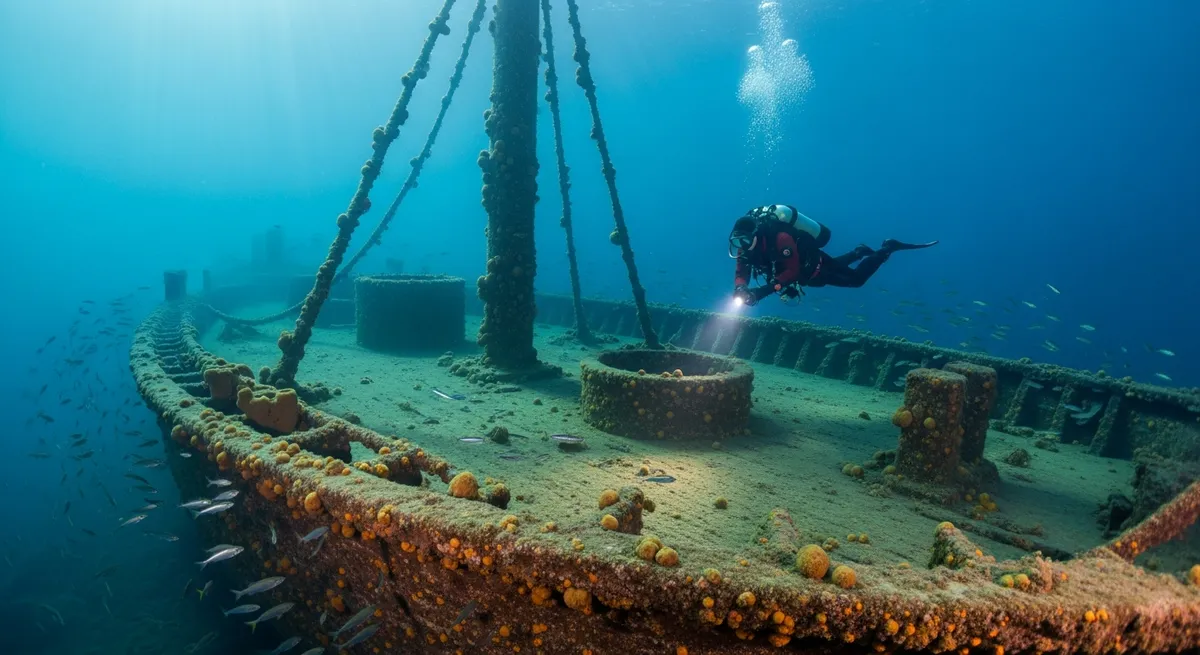

Ontario's Great Lakes are a premier destination for historical shipwreck dives. The cold, fresh water acts as a natural preservative, exceptionally safeguarding hundreds of 19th and early 20th-century vessels. Dive remarkably intact schooners, steamers, and freighters, offering an unparalleled glimpse into maritime history.
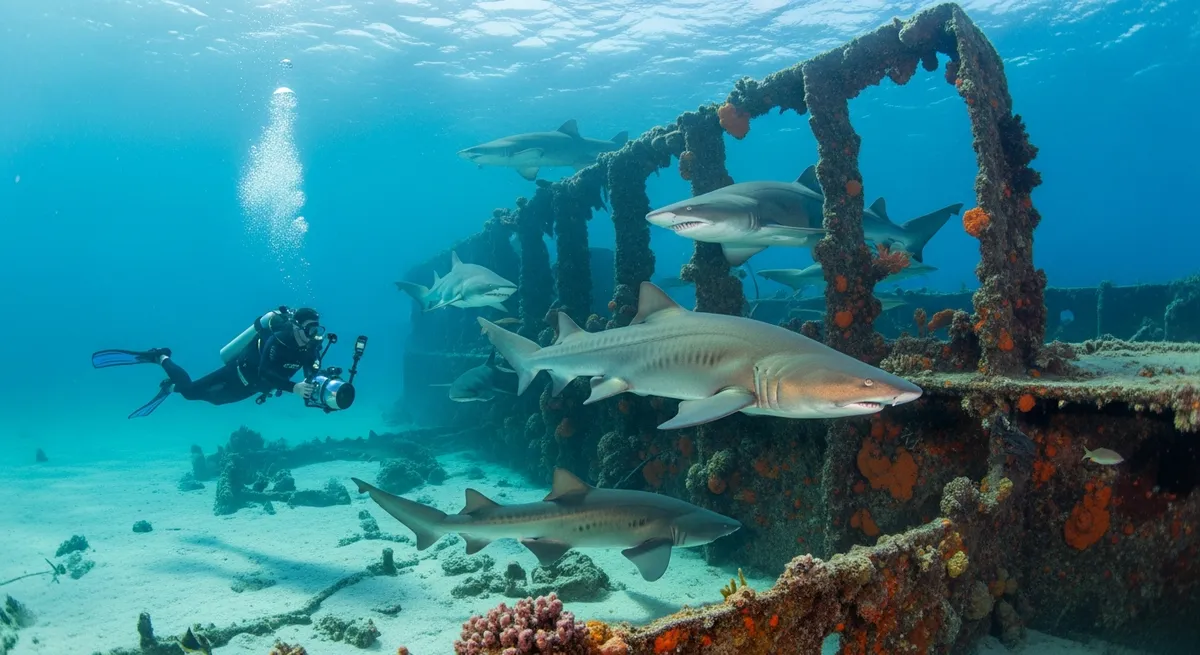
North Carolina, famously known as the 'Graveyard of the Atlantic,' offers an unparalleled collection of historical shipwrecks. Divers can explore a diverse array of sites, from sunken WWII German U-boats to numerous merchant vessels, each telling a profound story of wartime conflict and maritime history. This destination is essential for those seeking to dive into the past.
About This Collection
Why Wreck Diving Captivates
Wreck diving appeals to something primal - the explorer's instinct, the historian's curiosity, and the diver's love of discovery all converge on a sunken ship. The best wrecks are those that combine historical significance with accessible diving conditions: warm water, good visibility, and depths within recreational limits. A wreck covered in soft coral and teeming with fish is more compelling than a deeper, less colonised wreck in poor visibility.
The Ethics of Wreck Diving
Many historic wrecks are war graves - the final resting place of sailors and soldiers who died in service. These sites deserve the same respect you would give to any cemetery. Never remove artefacts, disturb remains, or damage the wreck structure. In many jurisdictions, historic wrecks are legally protected and removing items is a criminal offence. Take photographs, absorb the history, and leave everything exactly as you found it.
Wreck Diving Skills
While many wrecks are accessible to Open Water divers for external exploration, penetration diving requires Wreck Diver certification. Skills include reel deployment, navigation in low visibility, air management in overhead environments, and emergency procedures for silt-outs and entanglement. Never penetrate a wreck without proper training and equipment - even apparently safe interiors can contain hidden hazards.