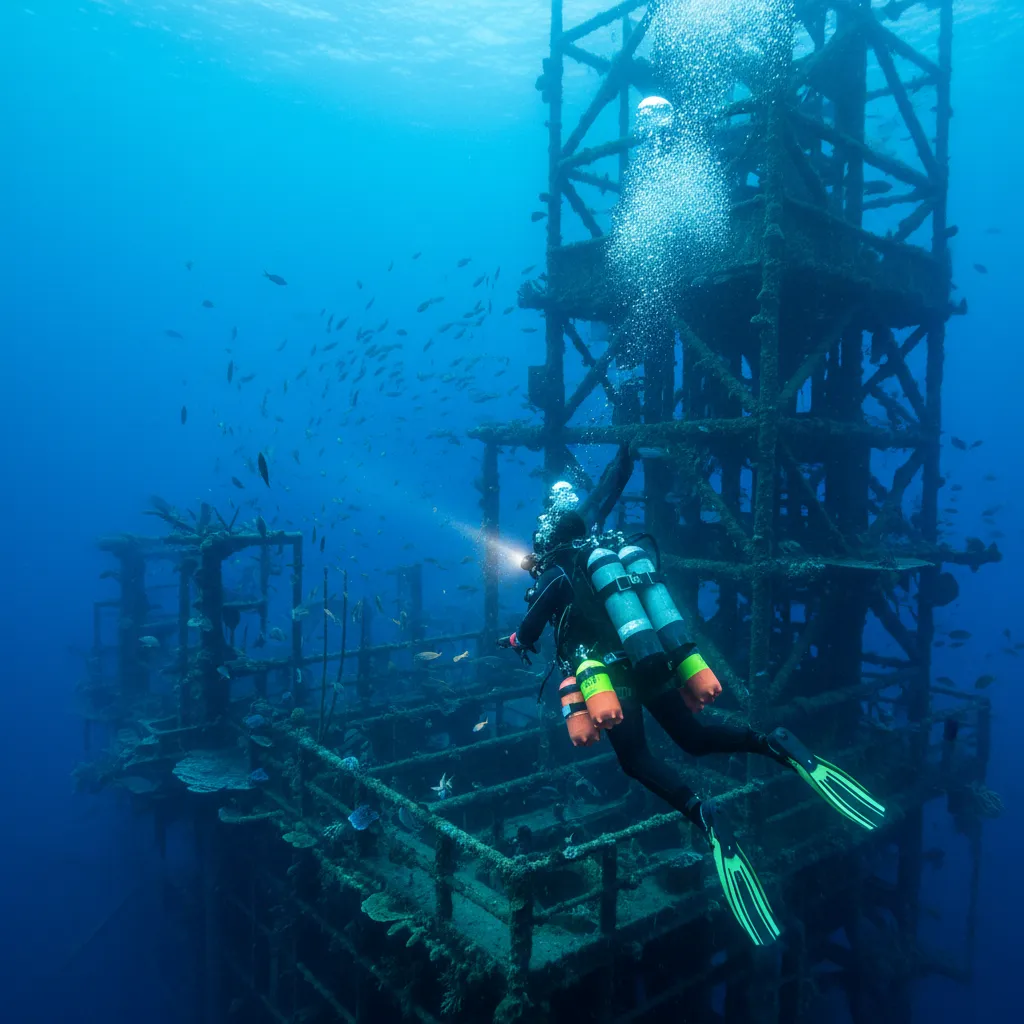
Best Technical Diving Destinations
Technical diving takes you beyond the limits of recreational scuba into a world of deep wrecks, cave systems, and advanced mixed-gas exploration. These destinations are the playgrounds of tec divers - locations where trimix, stage bottles, and decompression stops unlock experiences that recreational diving simply cannot reach. From the cathedral-like cenotes of Mexico to the deep wrecks of the Mediterranean, each destination demands serious training, meticulous planning, and rewards those qualities with encounters that redefine what diving can be.
12 destinations in this collection
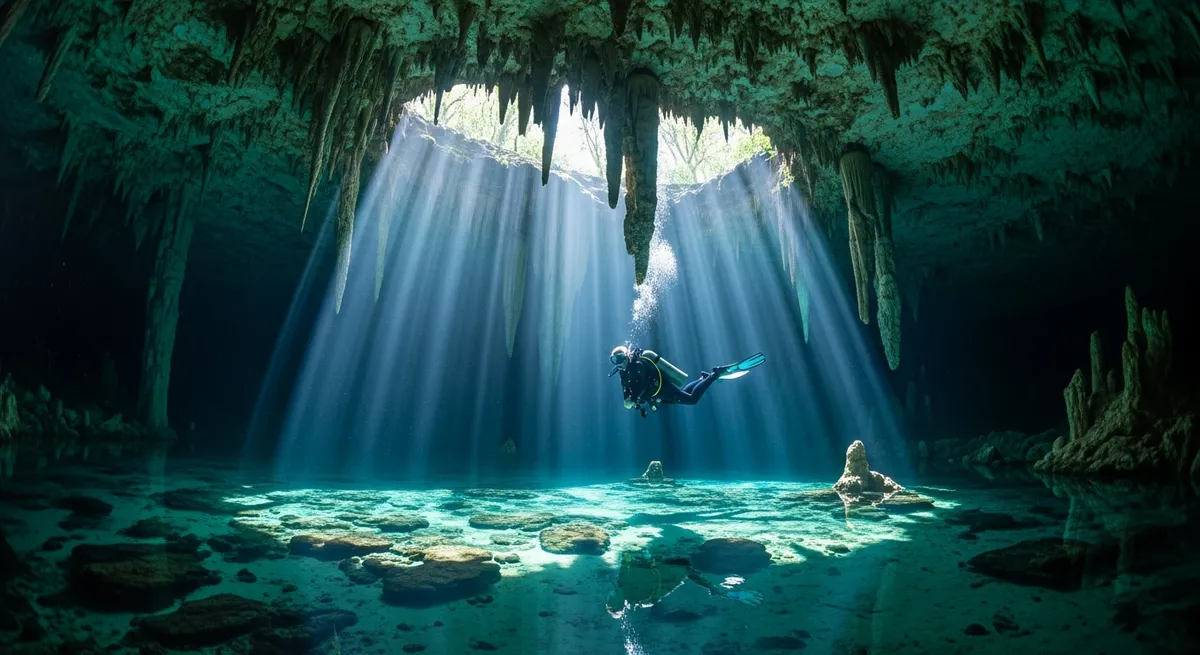
Yucatán Cenotes, Mexico
Mexico
The world's cave diving capital with access to Sac Actun - the longest underwater cave system on Earth at 380+ kilometres.
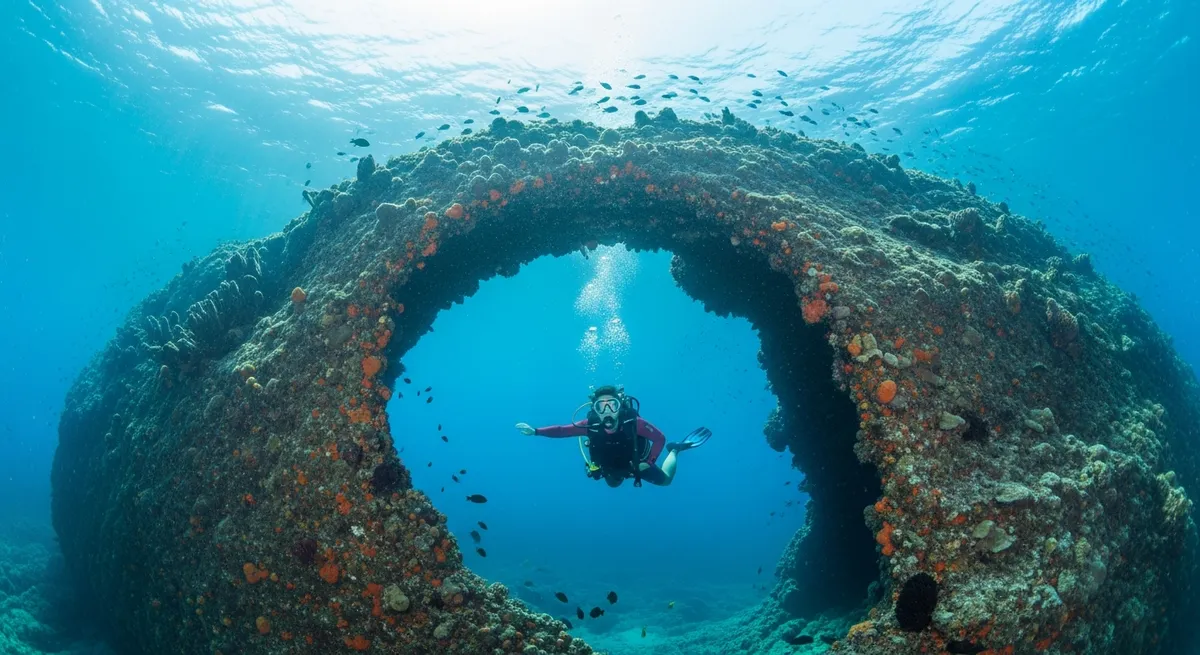
Gozo, Malta
Malta
Mediterranean tec diving paradise with deep wrecks, caves, and excellent trimix infrastructure for advanced deep diving.
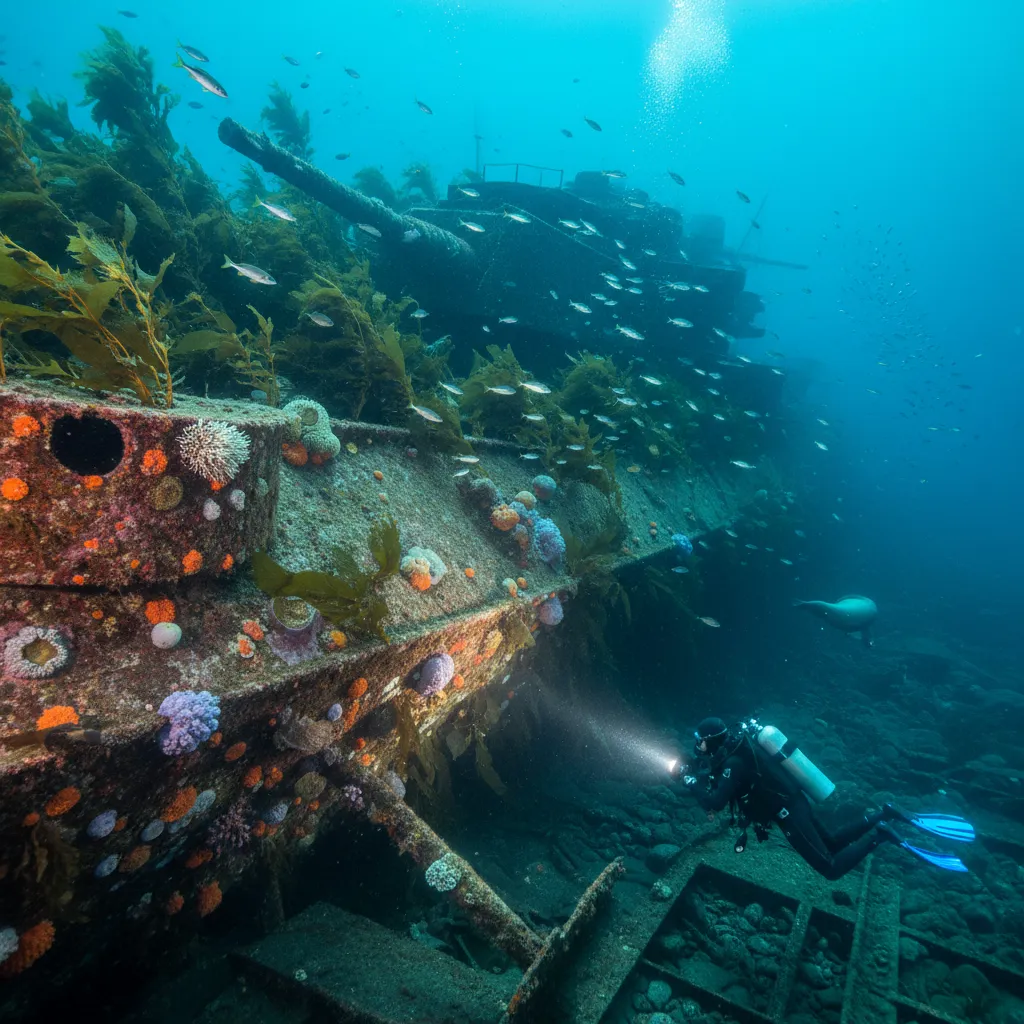
Scapa Flow, Scotland
United Kingdom
The sunken German High Seas Fleet offers world-class wreck penetration on massive WWI battleships in cold, clear water.
Dahab, Egypt
Egypt
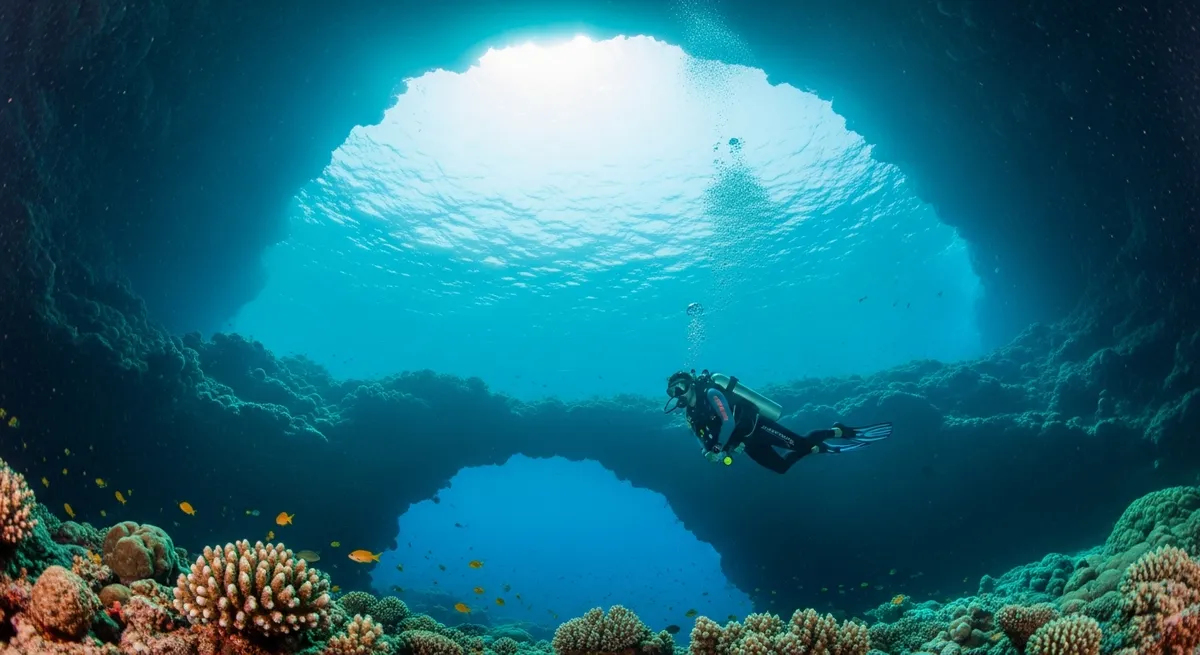
Home to the Blue Hole - one of diving's most iconic deep sites - and a thriving tec diving community with trimix facilities.
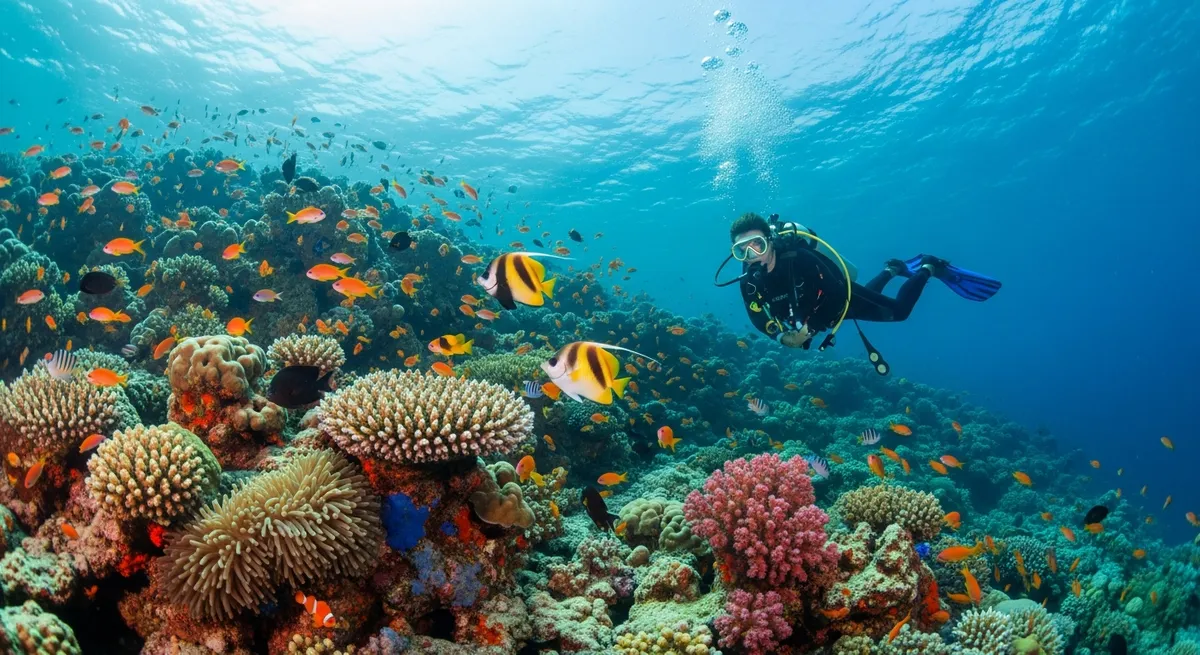
Deep wreck diving on the Thistlegorm, Dunraven, and deeper wrecks requiring decompression in the northern Red Sea.
Vis & Biševo, Croatia
Croatia
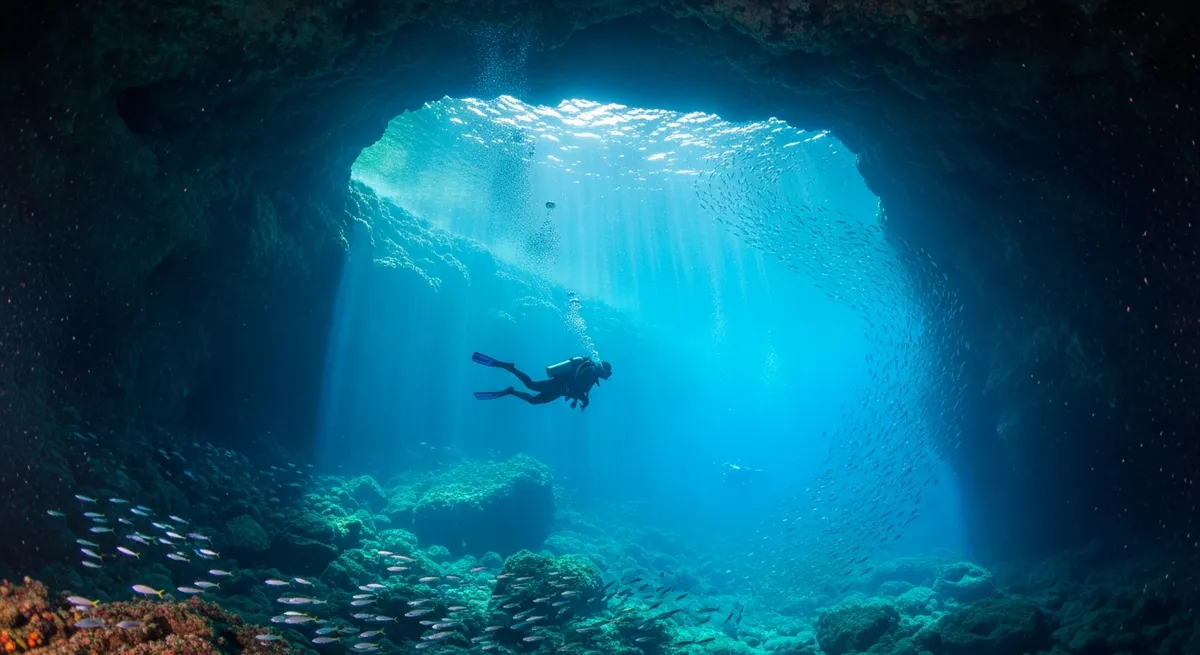
Deep Adriatic wrecks and caves including the stunning Blue Cave, with a growing technical diving scene in crystal-clear water.
Galápagos Islands, Ecuador
Ecuador
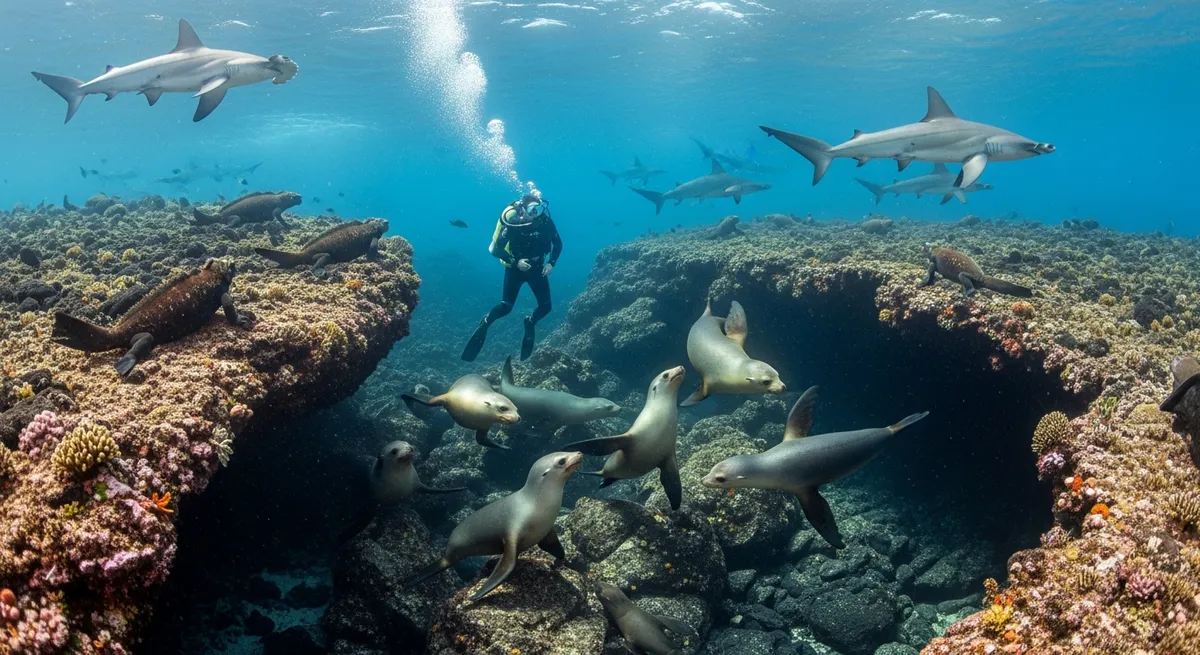
Advanced deep diving on volcanic seamounts with hammerhead schools and whale sharks for experienced technical divers.
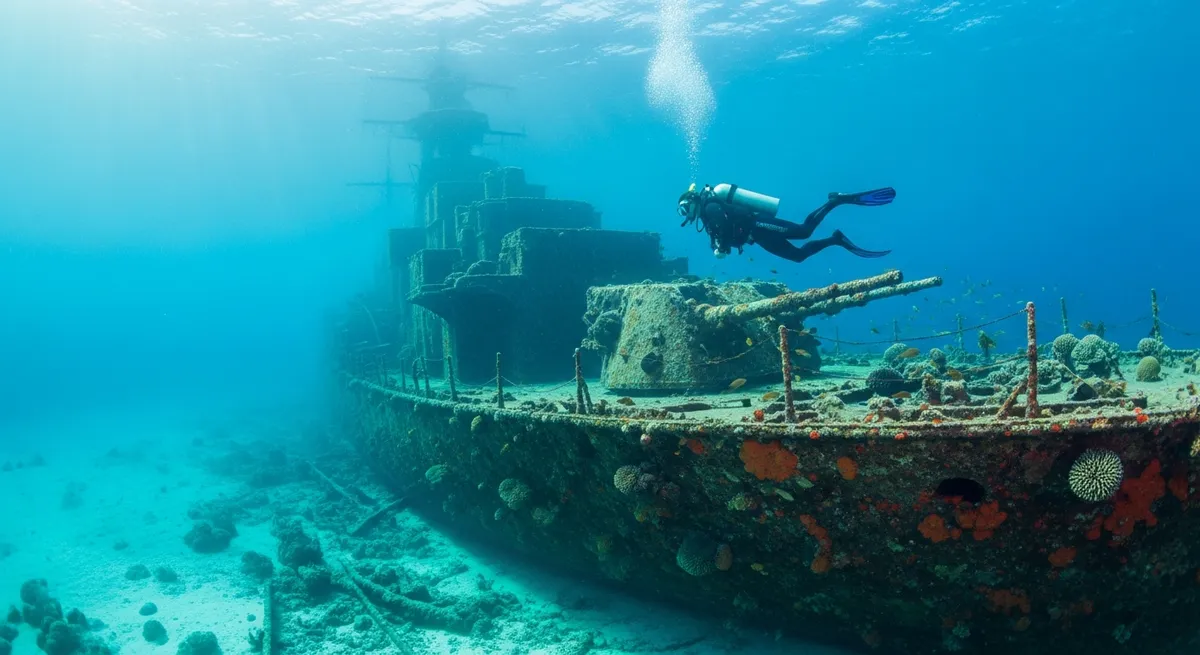
Malta stands as a premier Mediterranean hub for technical diving, renowned for its diverse deep wreck collection, including iconic WWII vessels. Its crystal-clear waters also reveal intricate cavern systems and dramatic drop-offs, perfect for advanced rebreather and mixed-gas explorations. With robust local support and excellent visibility, Malta offers an unparalleled experience for serious tech divers.
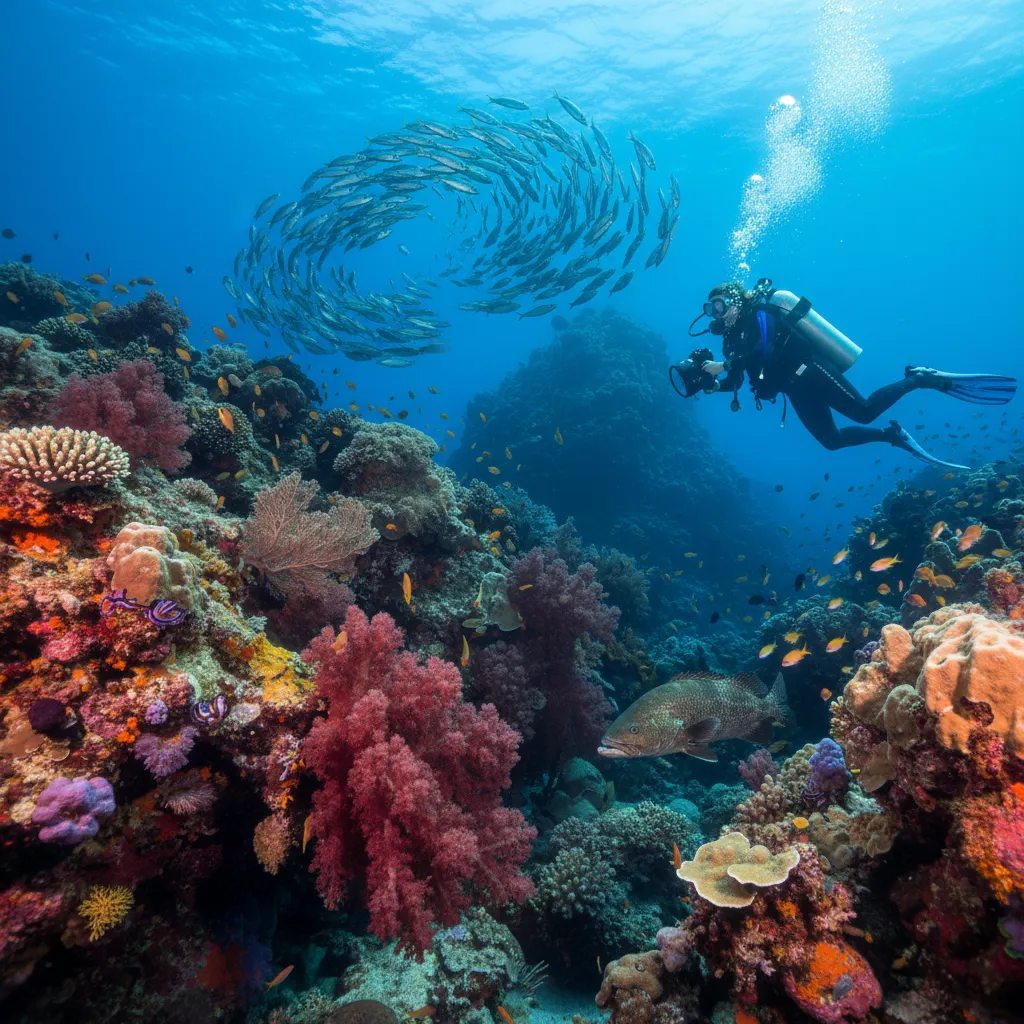

Sardinia delivers world-class technical diving through its abundant deep WWII wrecks and intricate underwater cave systems. These sites demand advanced skills, specialized gases, and extended bottom times, catering to experienced tech divers.
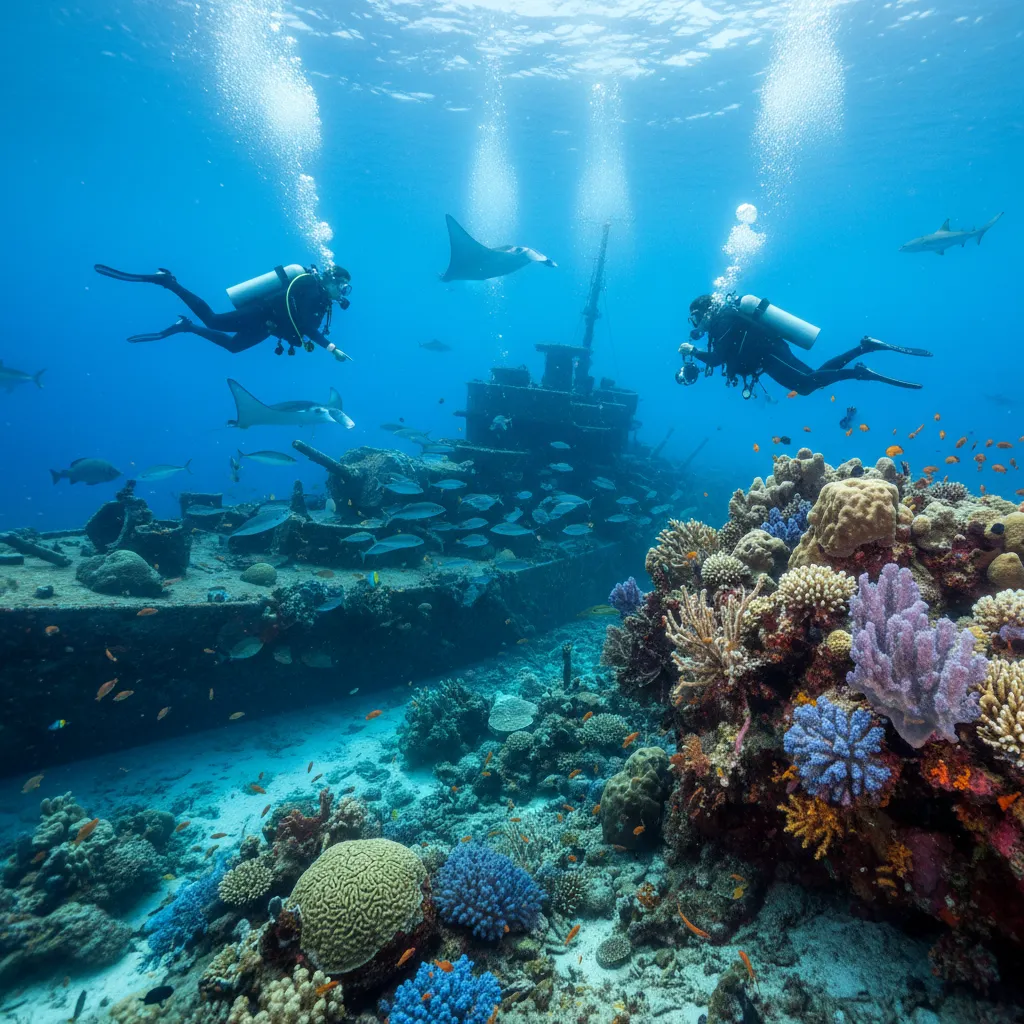
Bikini Atoll: Dive History's Atomic Depths
Marshall Islands
Bikini Atoll offers the ultimate technical diving challenge, with deep, historic wrecks from the atomic test fleet. Exploring pristine giants like the USS Saratoga demands advanced training, precise gas planning, and extensive decompression, offering unmatched historical immersion and extreme depth.
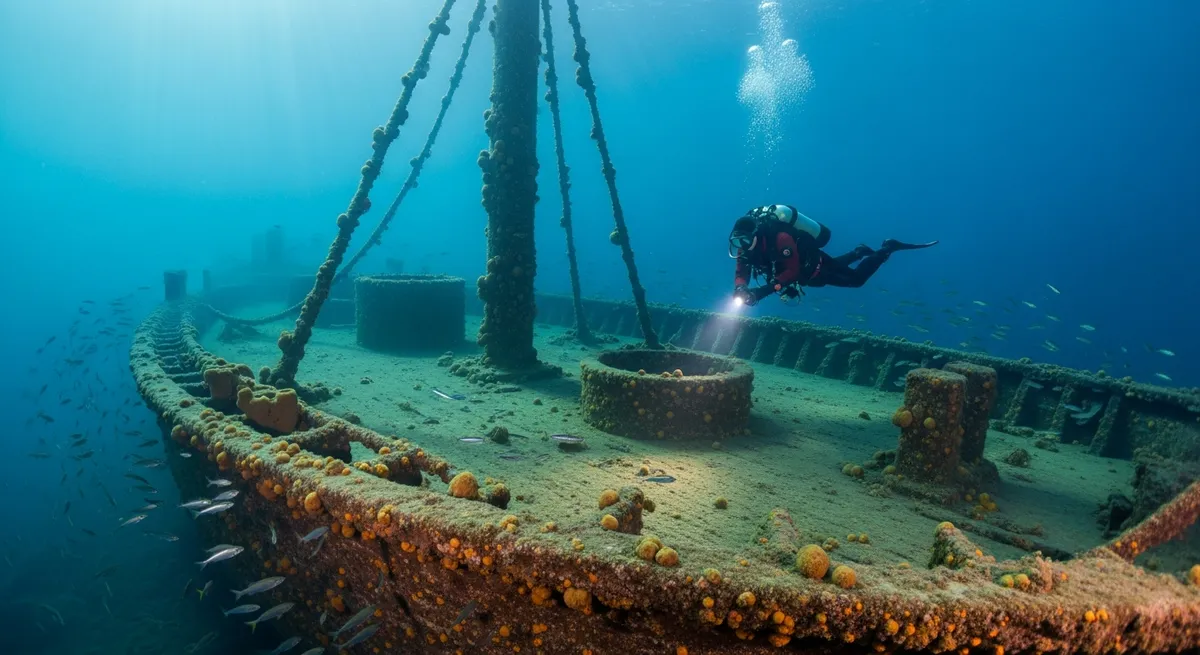

The Ontario Great Lakes present an unparalleled technical diving frontier, home to incredibly well-preserved historical shipwrecks in cold, deep freshwater. These unique environments demand dry suits and meticulous advanced planning, rewarding divers with pristine visibility and an extraordinary journey into maritime history.
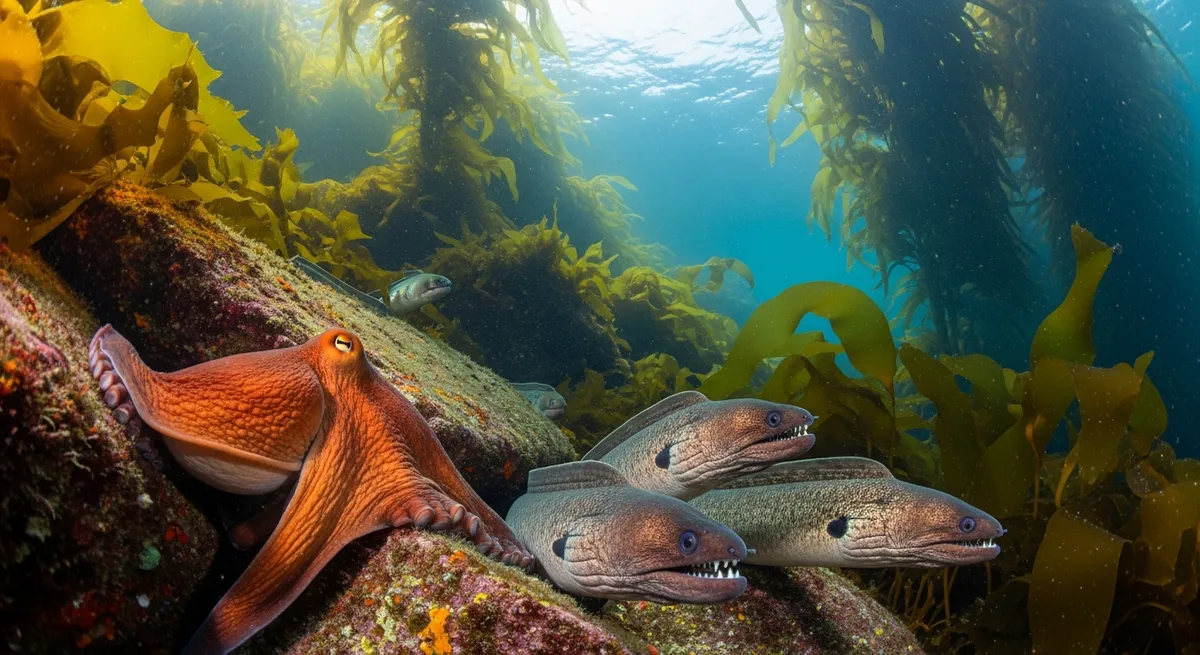
British Columbia offers robust cold-water technical diving, featuring an exhilarating mix of deep walls and challenging currents. It's a prime favorite for rebreather and technical exploration, promising unique marine environments that reward meticulous planning and advanced skills.
About This Collection
What Makes a Great Technical Diving Destination?
Technical diving destinations offer what recreational sites cannot: access to deep wrecks below 40 metres, overhead environments like caves and mines, and advanced decompression diving on pristine deep reefs. The best tec destinations combine world-class dive sites with strong local infrastructure - technical dive centres with trimix blending, experienced tec instructors, oxygen-clean equipment rental, and chamber access for emergencies.
Cave Diving Meccas
Mexico's Yucatán Peninsula is the undisputed global capital of cave diving. The cenote system - over 10,000 sinkholes connecting to the world's longest underwater cave systems - offers everything from beginner cavern dives to extreme exploration pushing the boundaries of human penetration. Sac Actun, the longest underwater cave system on Earth at over 380 kilometres, is centred here. Florida's cave systems at Ginnie Springs, Peacock Springs, and the Wakulla Springs system offer equally challenging and rewarding cave diving in a different geological setting.
Deep Wreck Diving
The Mediterranean holds centuries of maritime history in its depths. Malta's wrecks span from World War II to modern scuttled vessels, with the deepest requiring trimix to explore safely. Scapa Flow in Scotland preserves the scuttled German High Seas Fleet from World War I - massive battleships and cruisers resting between 20 and 45 metres. Egypt's Thistlegorm is recreational, but the region's deeper wrecks like the Salem Express and Rosalie Moller demand technical skills.