Best Volcanic Diving Destinations
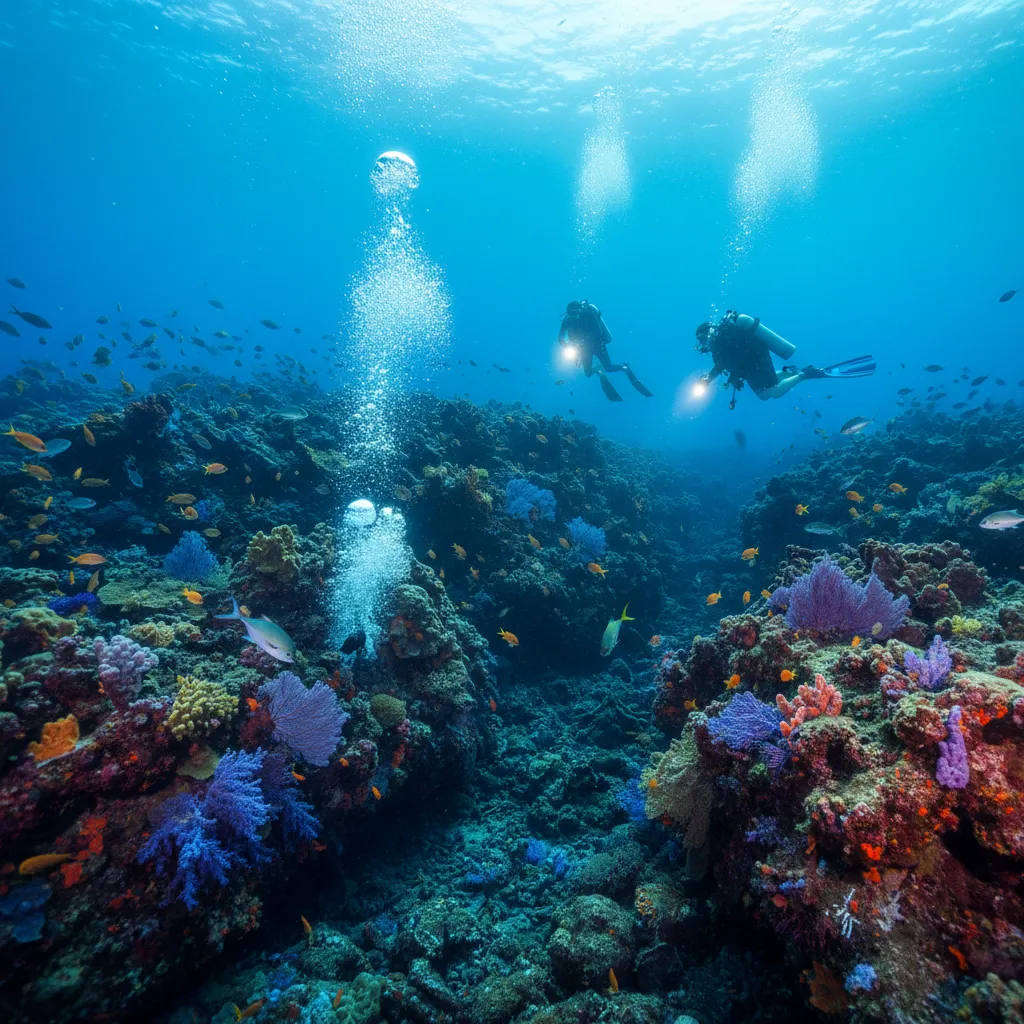
Where fire meets water, extraordinary diving happens. Volcanic dive destinations offer landscapes found nowhere else in the ocean - black sand slopes teeming with unusual critters, dramatic lava formations creating swim-throughs and arches, hot underwater vents surrounded by unique thermophilic organisms, and the sheer geological drama of diving on the flanks of an active volcano. These sites reveal the raw power that shaped our planet and continues to reshape it beneath the waves.
12 destinations in this collection
Galápagos Islands, Ecuador
Ecuador
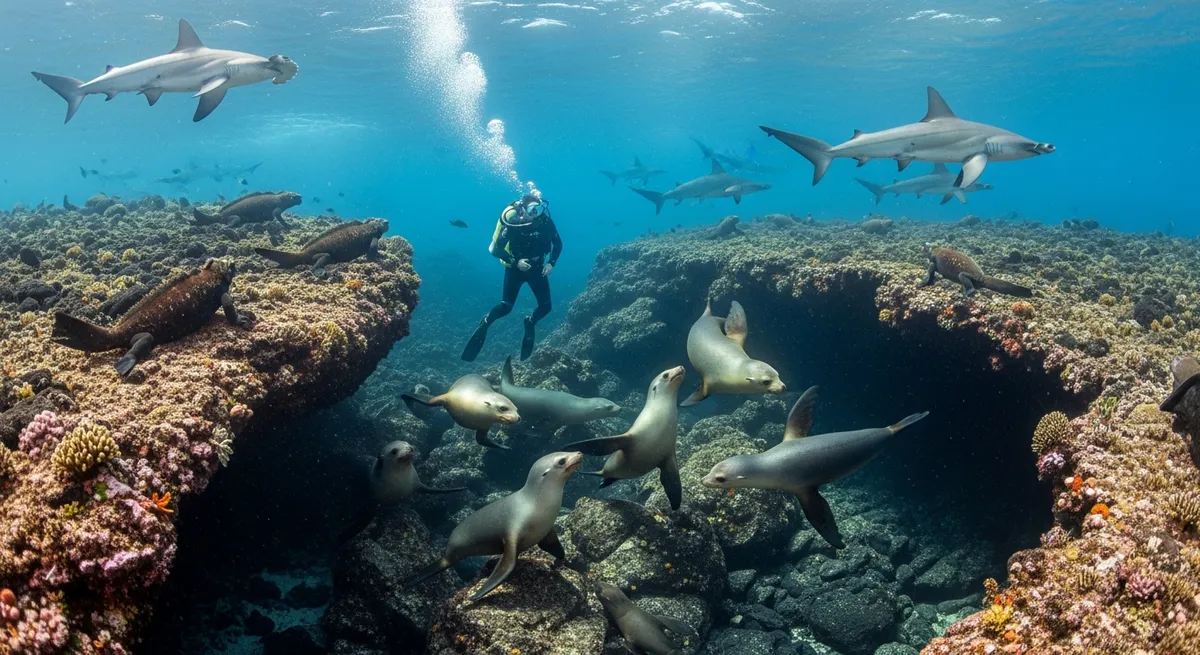
Volcanic seamounts where tectonic forces create unique current patterns attracting hammerheads, whale sharks, and marine iguanas.
Hawaii, USA
United States
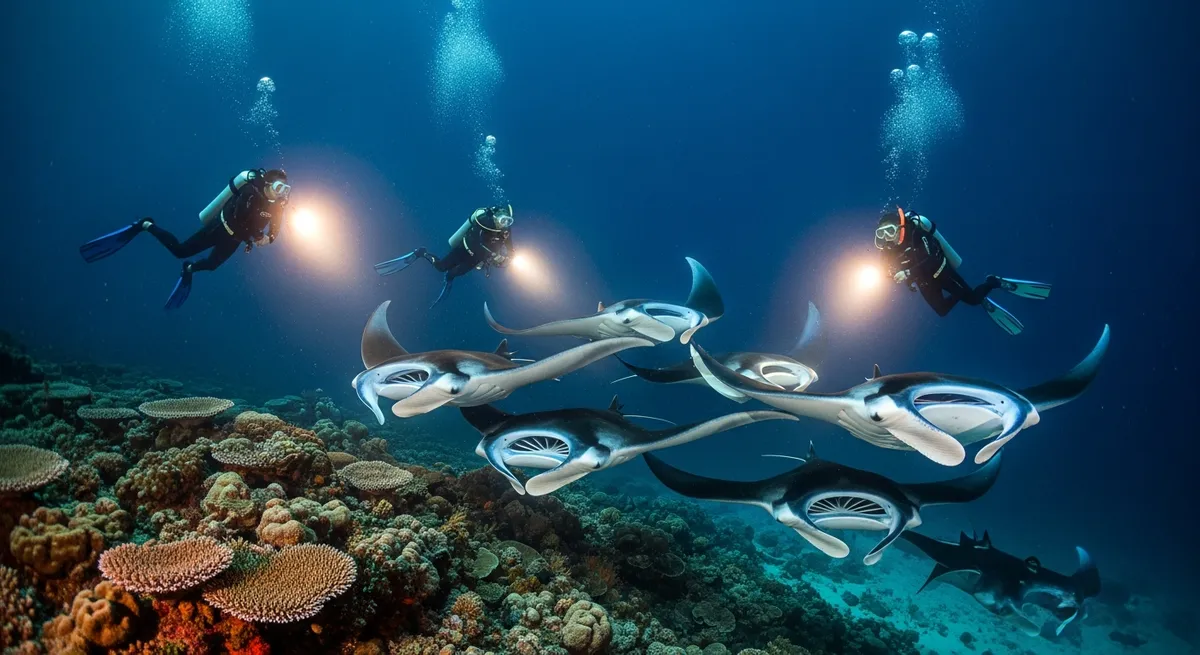
Dive along the flanks of the world's most active volcanic island chain, with lava arches, tubes, and unique Hawaiian species.
Christmas Island, Australia
Australia
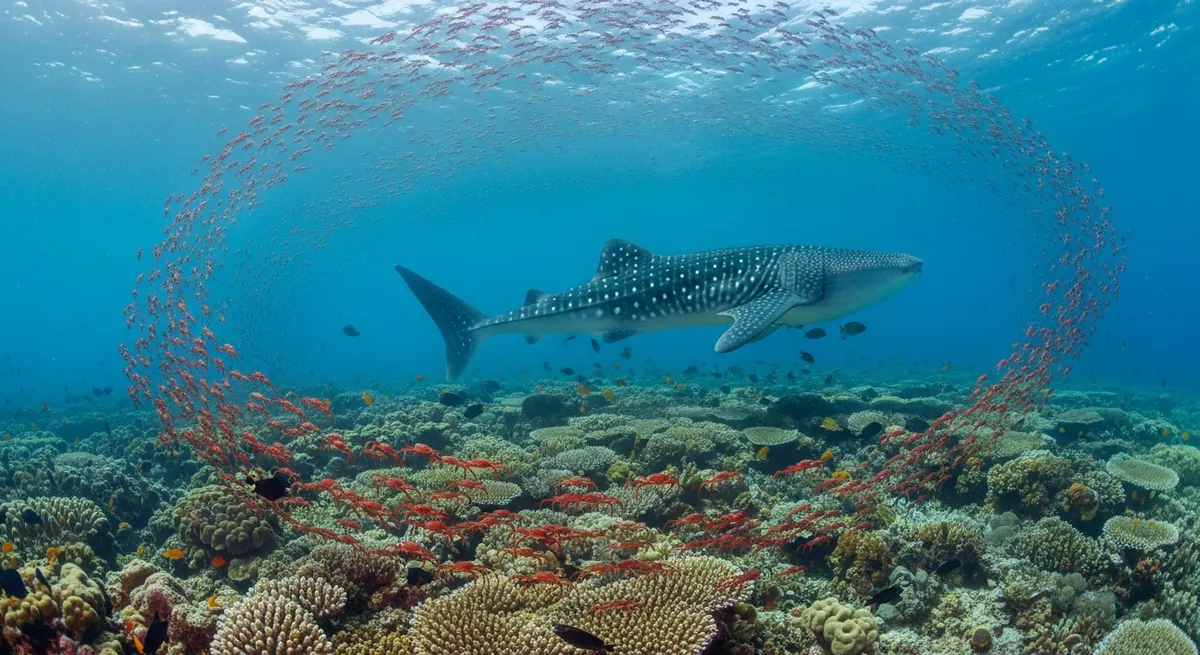
Remote volcanic island with dramatic walls plunging from 5m to 500m+ alongside the annual red crab migration spectacle.
Socorro Islands, Mexico
Mexico
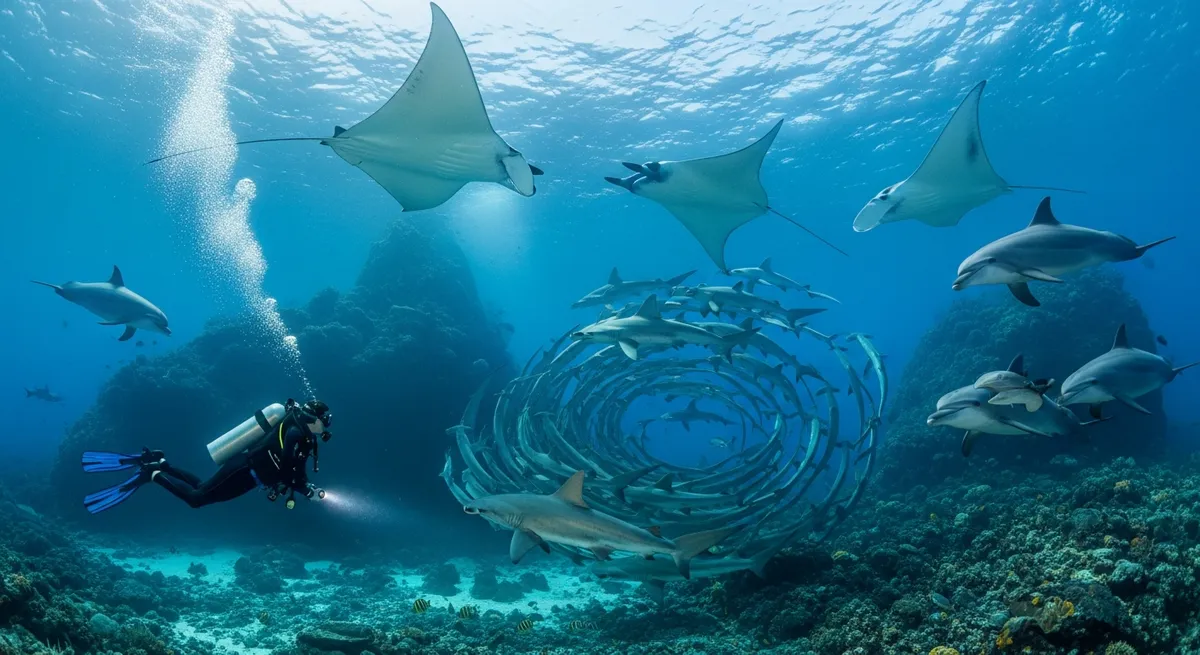
Volcanic Pacific seamounts rising from the deep ocean floor, creating current-swept pinnacles patrolled by giant manta rays.
Ishigaki, Japan
Japan
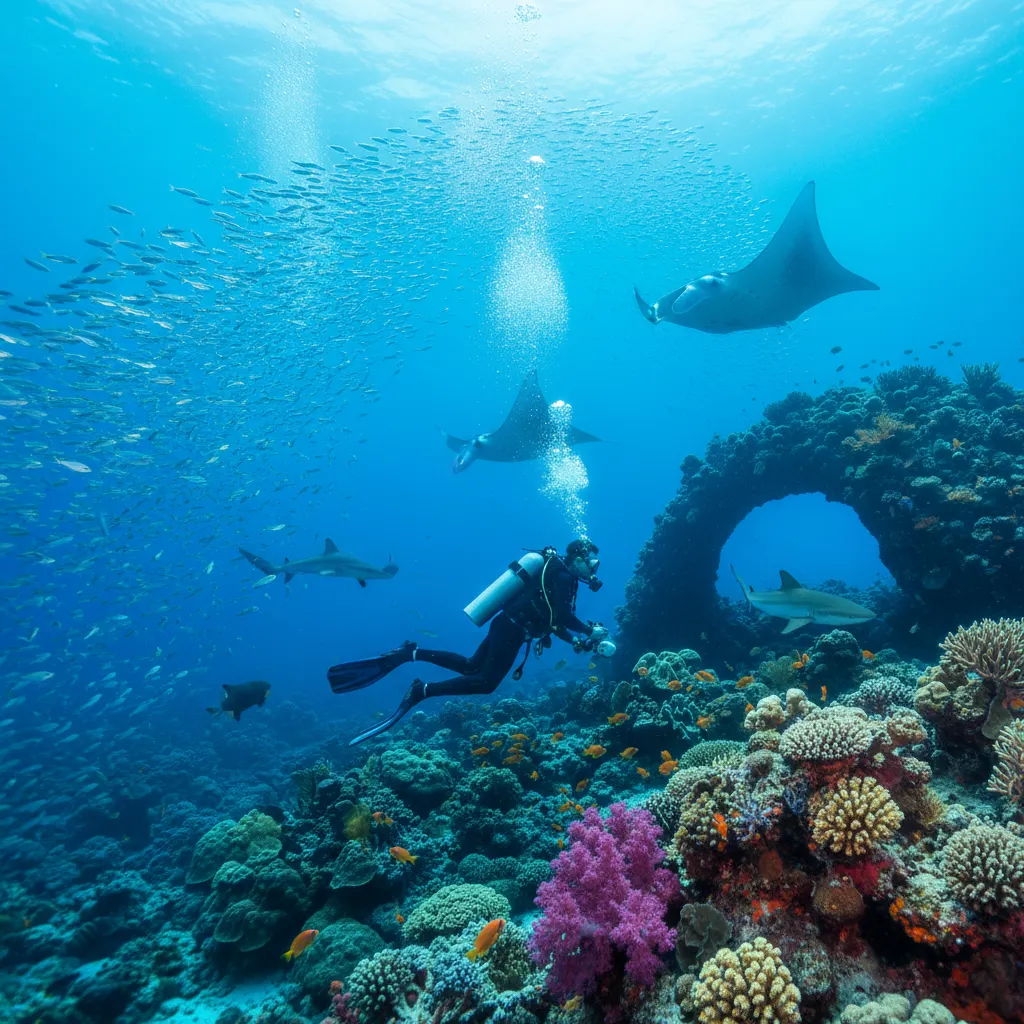
Volcanic Ryukyu Islands with unique coral formations, manta ray cleaning stations, and subtropical Japanese marine biodiversity.
Anilao, Philippines
Philippines
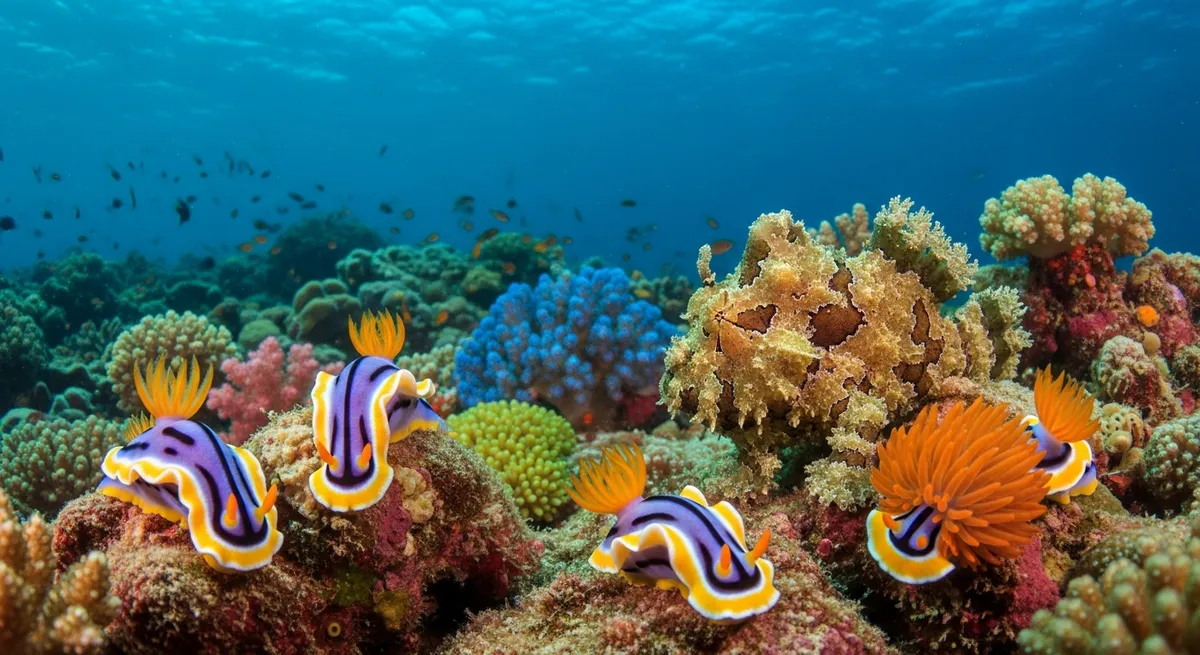
Volcanic muck diving hotspot with black sand slopes, incredible nudibranch diversity, and world-class macro photography opportunities.
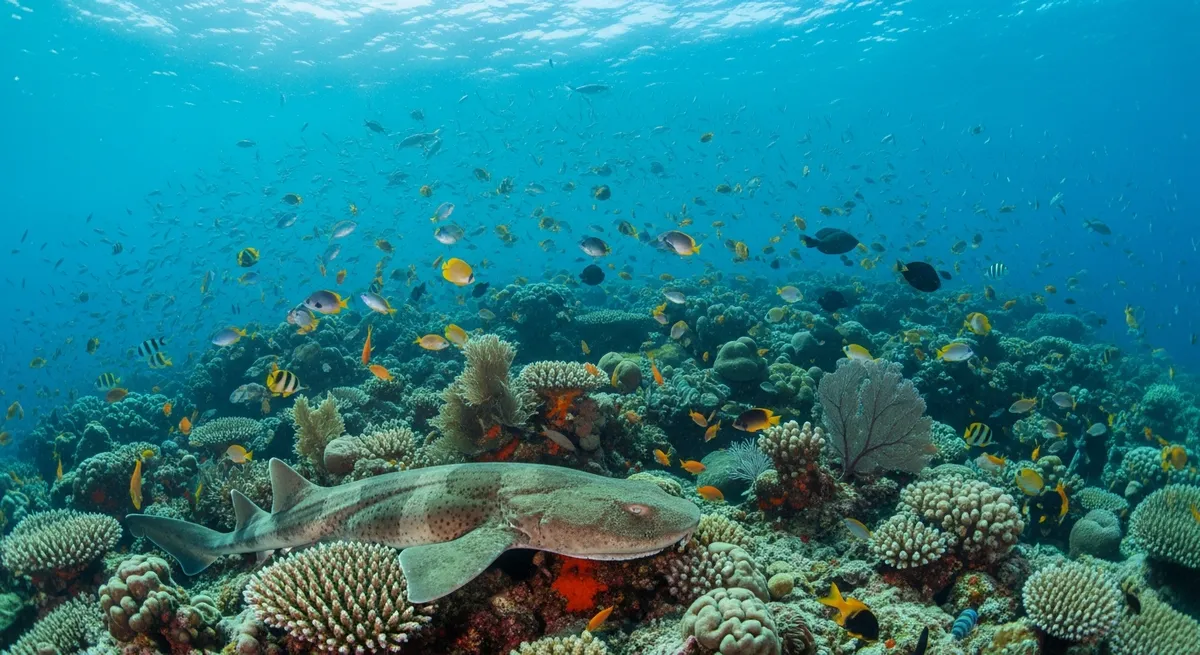

Raja Ampat's stunning underwater world is sculpted by ancient volcanic activity, creating a labyrinth of seamounts, pinnacles, and intricate reef systems. These geologically rich environments funnel nutrients, fostering the planet's highest marine biodiversity and unforgettable diving encounters.
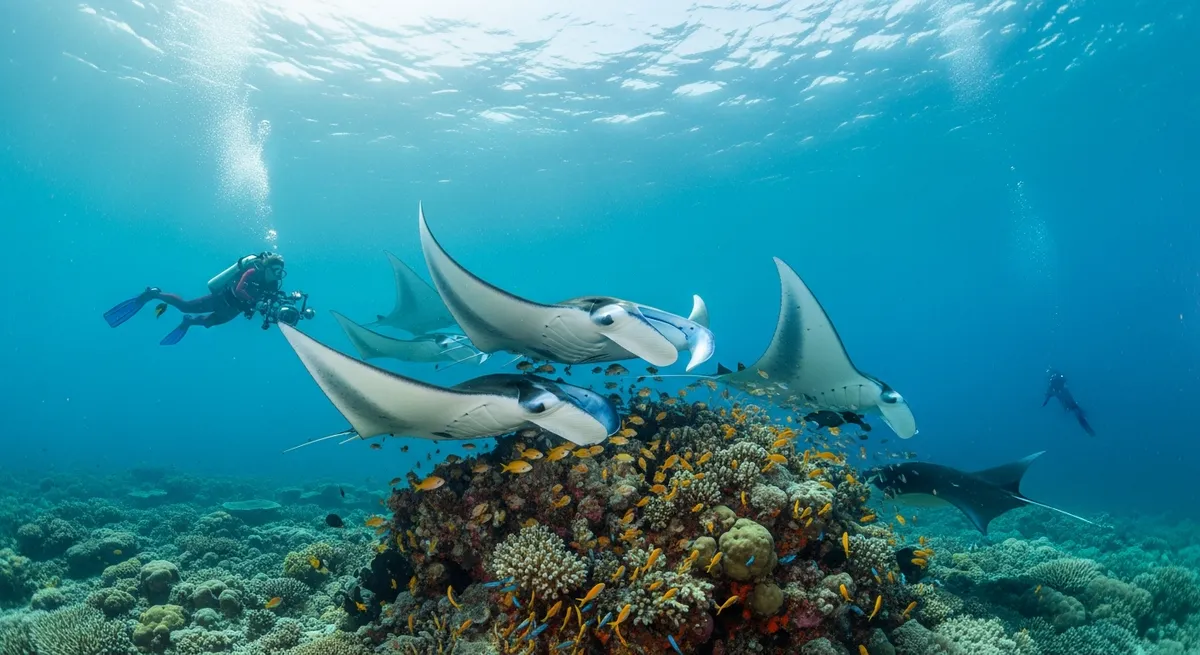
Dive into Bali's unique volcanic geology, where iconic black sand sites offer world-class muck diving amidst a stunning array of macro life. Discover dramatic underwater lava formations and vibrant reefs, thriving on volcanic slopes, providing a captivating contrast and a truly distinctive diving experience.
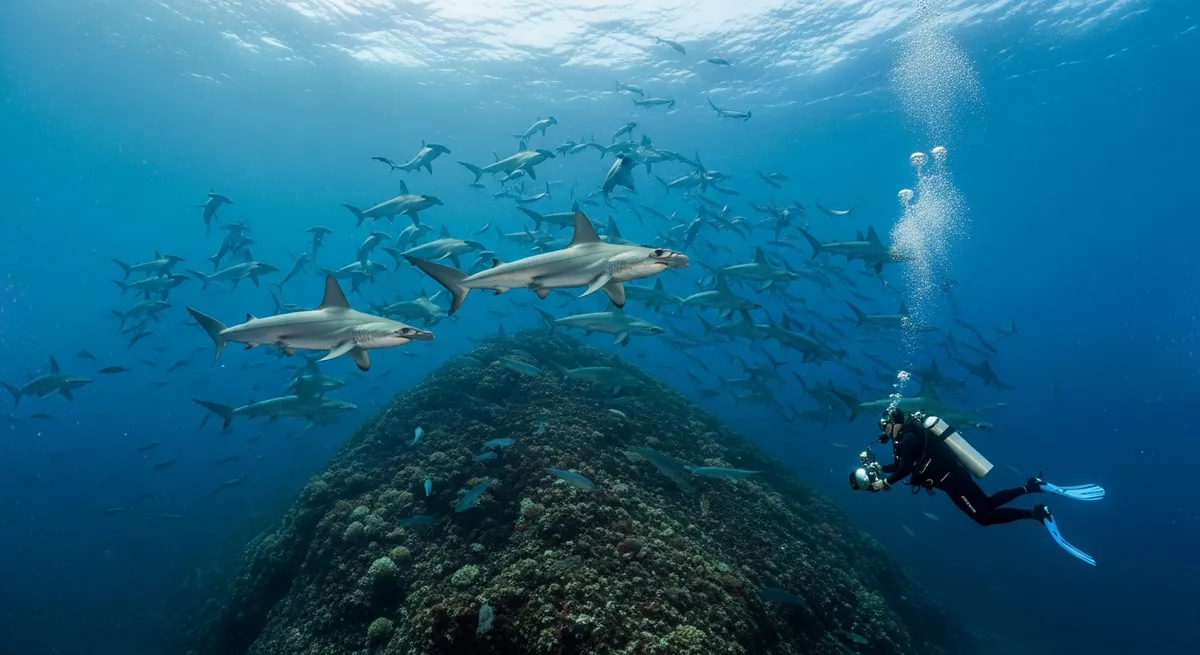
Forged by volcanic activity in the remote Pacific, Cocos Island is a premier destination for pelagic encounters. Its dramatic seamounts are a magnet for massive schools of hammerheads, Galapagos, and white-tip sharks, alongside other large pelagic species. Experience unparalleled shark action thriving in these unique nutrient-rich volcanic waters.
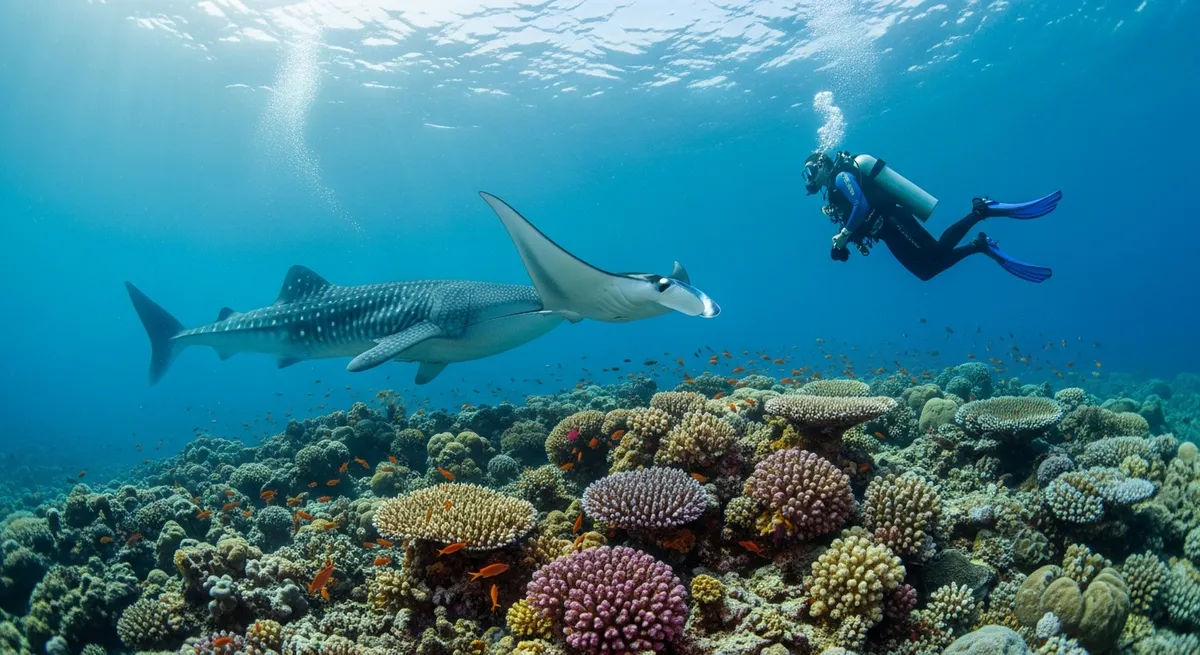

Dive the Sabah Coast to discover dramatic pinnacles and pristine reefs, all profoundly sculpted by its iconic dormant volcano. This ancient geological activity has created a unique underwater topography, teeming with diverse and vibrant marine life, offering truly dynamic and unforgettable volcanic diving.
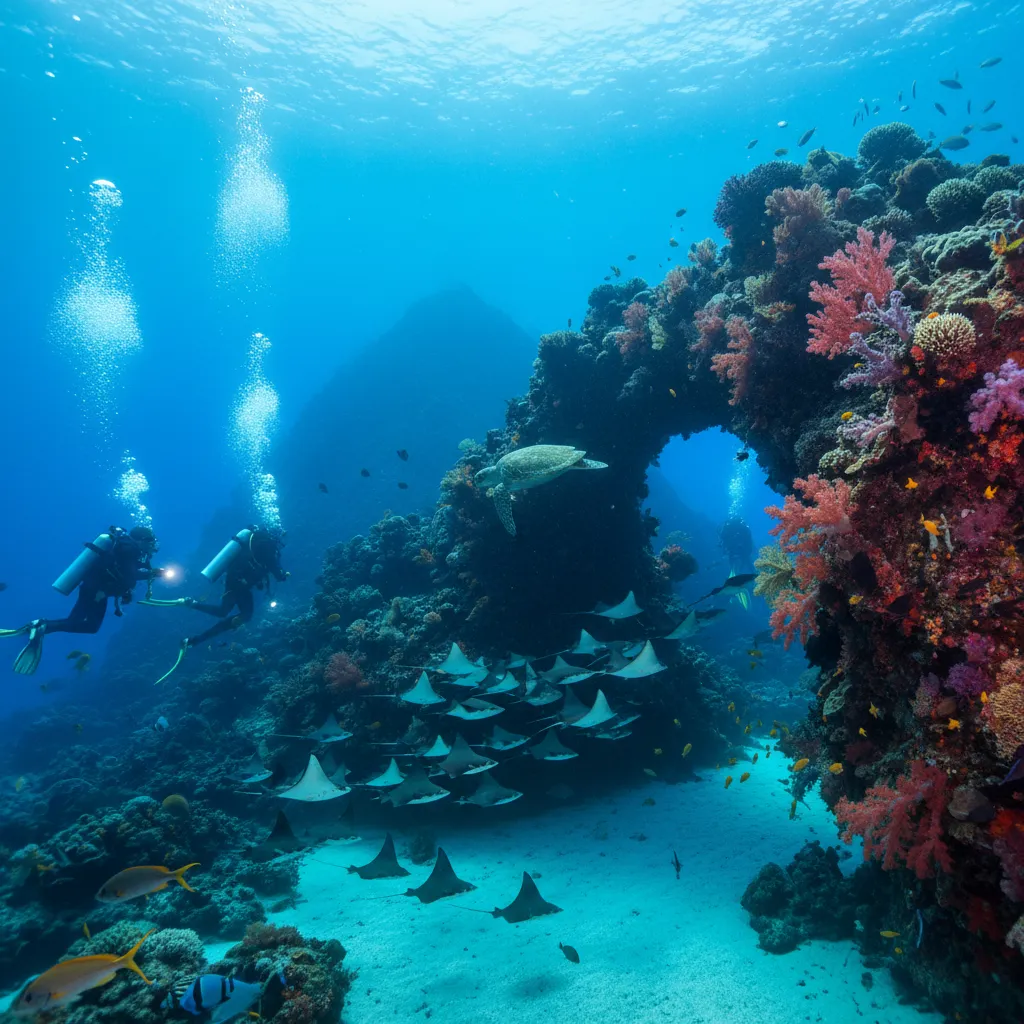

Dive into the dramatic underwater landscapes of the Azores, where ancient volcanic activity has carved out spectacular walls, arches, and lava tubes. This unique topography creates ideal conditions for exploring intricate caves and encountering a breathtaking array of large pelagic species, from mobula rays to whale sharks, in the Atlantic's crystal-clear, deep blue waters.
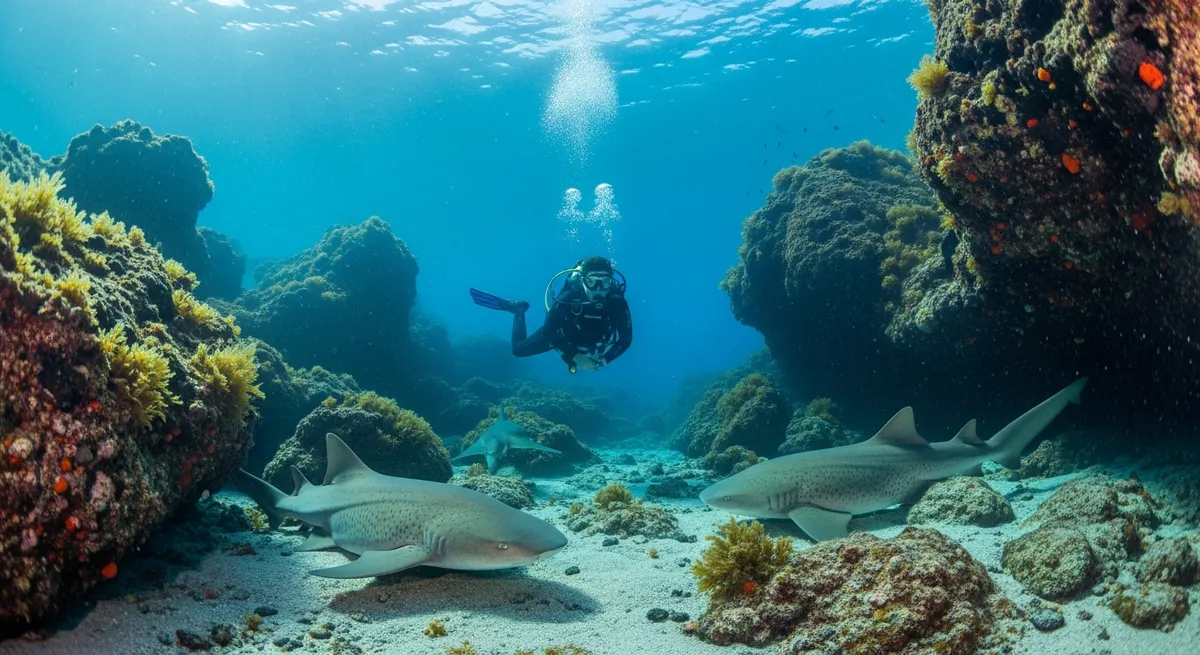

Dive into the Canary Islands' captivating underwater realm, where ancient volcanic eruptions have carved dramatic arches, intricate lava tubes, and monumental rock formations. These unique geological wonders provide a thriving habitat for diverse Atlantic marine life, from schools of barracuda to majestic rays, promising an unforgettable exploration of an ancient fiery past.
About This Collection
The Geology of Volcanic Diving
Volcanic dive sites exist along tectonic plate boundaries, at oceanic hotspots, and around volcanic island arcs. The underwater terrain is fundamentally different from limestone or coral-based diving - expect basalt pillars, lava tubes, pumice fields, and dramatic drop-offs where volcanic slopes plunge into the abyss. Some sites feature active hydrothermal vents releasing heated, mineral-rich water that supports chemosynthetic bacteria and unique ecosystems independent of sunlight.
Black Sand Muck Diving
Volcanic black sand slopes are among the world's most productive muck diving environments. The dark substrate creates perfect contrast for spotting tiny, bizarre creatures - frogfish, blue-ring octopuses, mimic octopuses, and hairy squat lobsters are all stars of the volcanic muck ecosystem. Lembeh Strait in Indonesia, sitting between two volcanic peaks, is the world capital of this unique diving style.