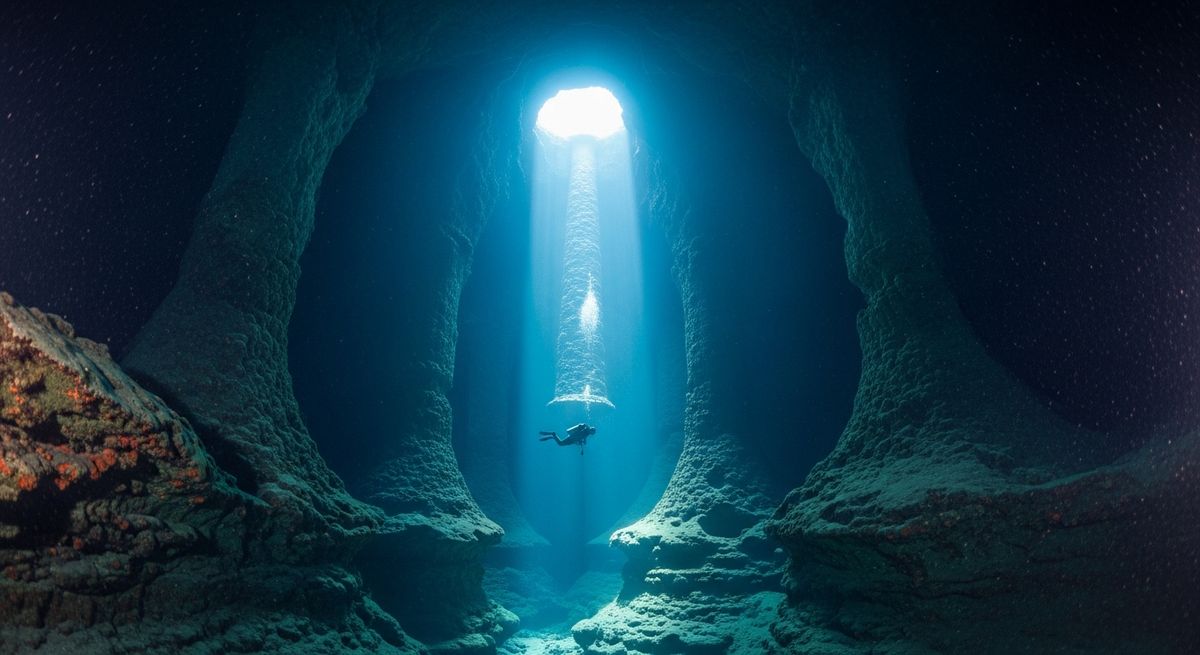
Paia Point
Protected Area
Rileys Lookout
Why dive here
With 35+ marine species recorded in the area - including humpback whales, seahorses and sperm whales - Paia Point offers some of Kaikōura's richest cave diving. Water ranges 10-17°C, warmest January, February, March.
Paia Point, right on the edge of the Hikurangi Marine Reserve, is a site we keep coming back to, despite its quirks. You’re looking at a maximum depth of 11m, which means plenty of bottom time, and frankly, a bit of a workout getting there. The shore entry is a scramble over slippery rocks, and that 20-minute surface swim can feel like a marathon when the swell picks up. We’d suggest saving this one for a calm day, or you'll regret it. But here’s the payoff: once you drop down, even with Kaikōura’s typical 4m visibility, the place is buzzing. You'll find yourself sharing the water with playful New Zealand fur seals and, if you’re lucky, dusky dolphins zipping past in the blue. Our favourite part has to be spotting the paua spider crabs clambering over the rocks, and there are always common and striped triplefins darting about in the crevices. Keep an eye out for greenbone, too; they're surprisingly common here. It’s definitely a spot for those who appreciate the hunt for smaller, unique critters and don't mind a bit of an adventure to get there.
Safety Notes
Overhead environment - never enter without proper cave/cavern training, redundant equipment, and a guideline.
Cold water this month (avg 12°C). Drysuit or thick wetsuit (7mm+) recommended.
Nearest Dive Centres to Paia Point
Dive shops near Paia Point
View all dive centres in KaikōuraReviews for Paia Point
Conditions
Ocean conditions, forecast and tides for Paia Point
Paia Point Ocean Conditions
Monthly averages for Paia Point, sourced from Open-Meteo marine data + Copernicus Marine (EU) - nearest station: Open-Meteo marine grid (-42.41, 173.71) (50km away)
October Averages
Sea Temperature
12°C
54°F · Range: 10.8–14.6°C
Current Speed
14.42 cm/s
Direction: SW (213.7°)
Chlorophyll-a
0.413 mg/m³
Moderate productivity
Salinity
35.08 PSU
Based on 4 years of monitoring data · Data sources: Open-Meteo marine data + Copernicus Marine (EU)
Plan & book
Ways to dive Kaikōura, from day trips to liveaboards.
Day trips & courses
via GetYourGuideGuided dives, courses and snorkel trips with instant booking.
Find dive trips in KaikōuraPlaces to stay
via Booking.comHotels and dive resorts near Kaikōura.
Search stays in KaikōuraDive insurance
Most travel insurance excludes or limits scuba. Check what you need before you go.
Dive insurance explainedPartner links: we may earn a commission if you book, at no extra cost to you. How we make money
Where to Stay near Paia Point
Prices from Booking.com. We may earn a commission at no extra cost to you.