Blue Cod Point
Protected Area
Titi Island
Why dive here
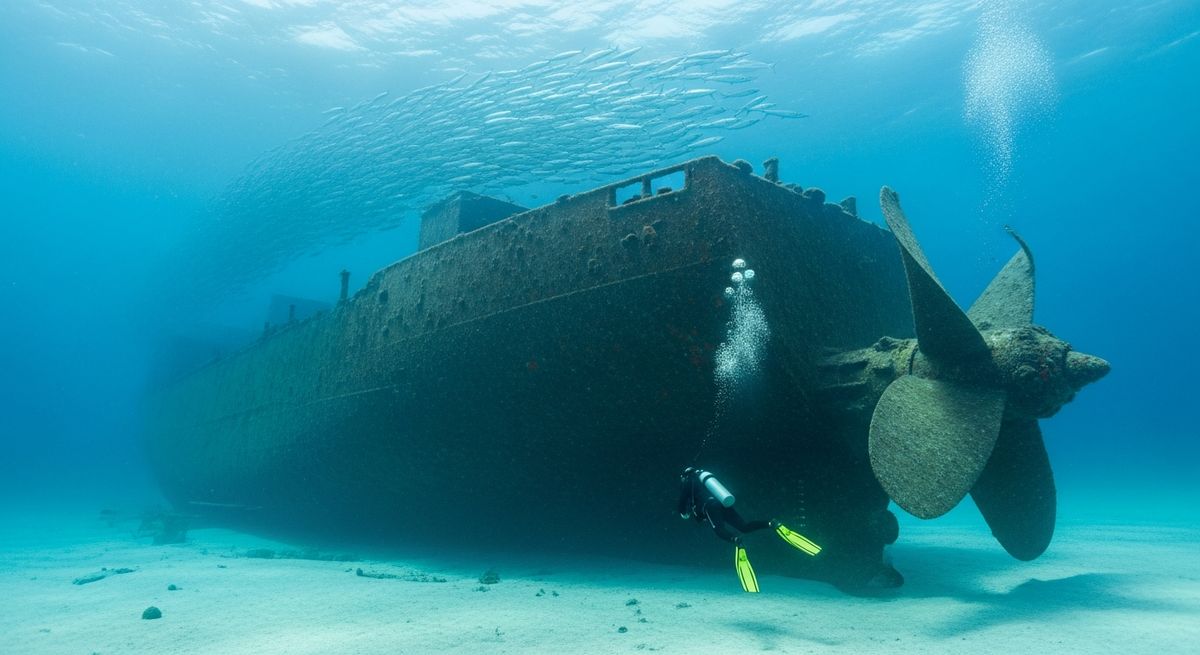
With 35+ marine species recorded in the area - including humpback whales, seahorses and sperm whales - Blue Cod Point offers some of Kaikōura's richest wreck diving. Water ranges 10-17°C, warmest January, February, March.
Blue Cod Point, tucked away in a sheltered cove, feels like Kaikōura's best-kept secret for a shallow second dive. We love that it’s usually calm, even when the wind picks up elsewhere. Drop in, and you’re instantly greeted by a rocky wall that just keeps on going, winding along at about 8-10 metres. It’s a gentle drift, perfect for really soaking in the details. The visibility averages about five metres, which isn't epic, but it forces you to slow down and look closely. And when you do, you start spotting things: the vibrant tube worms waving from crevices, brittle stars tangled amongst the mussels. We've seen fat banded morwong poking their heads out, and if you’re patient, you might even catch a glimpse of a snoozing Blue Penguin tucked into a rocky overhang. It’s a macro photographer's quiet delight, and a peaceful spot for divers who appreciate the small wonders.
Typical Blue Cod Point Dive Profile
Illustrative profile based on site depth and type. Actual dive profiles vary - always follow your dive computer and training.
Safety Notes
Wreck site - avoid penetration without wreck diving certification. Watch for sharp metal and entanglement hazards.
Cold water this month (avg 12°C). Drysuit or thick wetsuit (7mm+) recommended.
Nearest Dive Centres to Blue Cod Point
Dive shops near Blue Cod Point
View all dive centres in KaikōuraReviews for Blue Cod Point
Conditions
Ocean conditions, forecast and tides for Blue Cod Point
Blue Cod Point Ocean Conditions
Monthly averages for Blue Cod Point, sourced from Open-Meteo marine data + Copernicus Marine (EU) - nearest station: Open-Meteo marine grid (-42.41, 173.71) (50km away)
October Averages
Sea Temperature
12°C
54°F · Range: 10.8–14.6°C
Current Speed
14.42 cm/s
Direction: SW (213.7°)
Chlorophyll-a
0.413 mg/m³
Moderate productivity
Salinity
35.08 PSU
Based on 4 years of monitoring data · Data sources: Open-Meteo marine data + Copernicus Marine (EU)
Plan & book
Ways to dive Kaikōura, from day trips to liveaboards.
Day trips & courses
via GetYourGuideGuided dives, courses and snorkel trips with instant booking.
Find dive trips in KaikōuraPlaces to stay
via Booking.comHotels and dive resorts near Kaikōura.
Search stays in KaikōuraDive insurance
Most travel insurance excludes or limits scuba. Check what you need before you go.
Dive insurance explainedPartner links: we may earn a commission if you book, at no extra cost to you. How we make money
Where to Stay near Blue Cod Point
Prices from Booking.com. We may earn a commission at no extra cost to you.