Saint Kilda’s Rocks
Protected Area
Armers Beach
Why dive here
With 35+ marine species recorded in the area - including humpback whales, seahorses and sperm whales - Saint Kilda’s Rocks offers some of Kaikōura's richest reef diving. Water ranges 10-17°C, warmest January, February, March.
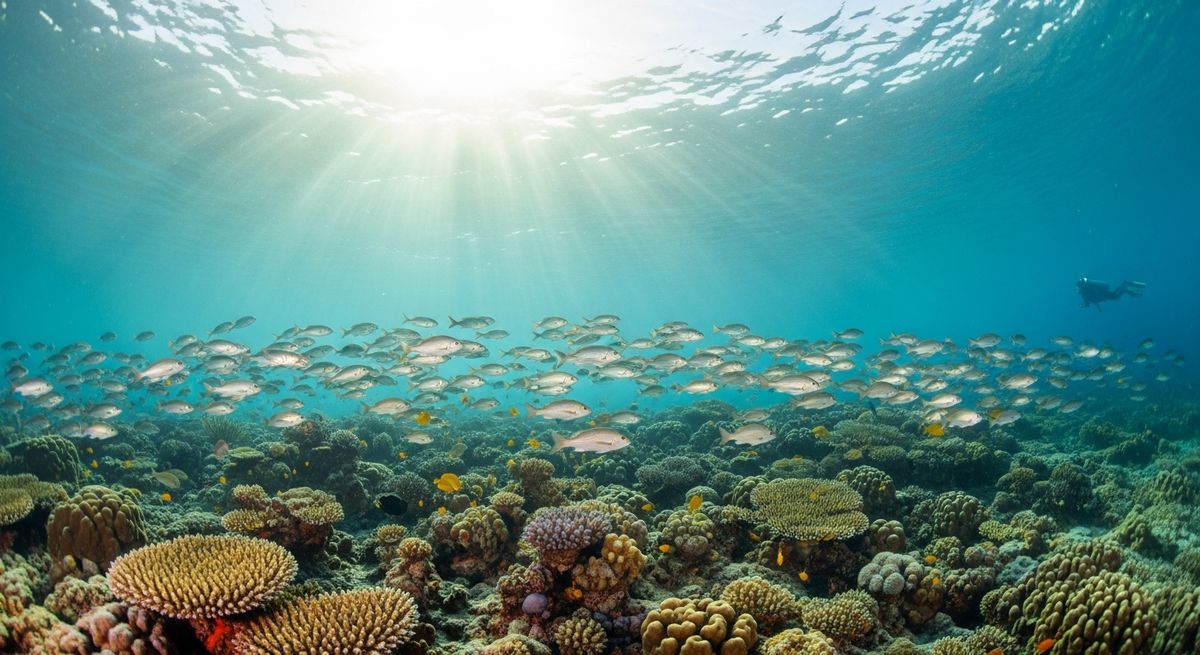
Saint Kilda's Rocks is a cracker of a dive, even if the five-metre average visibility sometimes feels more like a suggestion than a rule. You're barely offshore from Jimmy Armers Beach, a quick three-minute boat ride, and immediately, you're into this dense, swaying kelp forest. It’s a good 5-12 metre dive, perfect for soaking in the details rather than chasing depth. What we really love here is the sheer density of life hiding in that kelp. We've often found ourselves eye-to-eye with a Cape Shark tucked into the fronds, their speckled skin blending right in. Spotty and Razorback fish dart through the stalks, and if you look closely, you might even spot an Olive Anemone clinging to the rock. Our favourite trick is to find a quiet eddy and just hover, letting the kelp sway around us, watching the Pug-nosed Eels peek out from rocky crevices. It’s a calmer dive, usually without strong current, and well-suited to divers who appreciate the intricate beauty of a temperate reef and aren't put off by the greener, sometimes gloomier light that comes with thick kelp.
Safety Notes
Cold water this month (avg 12°C). Drysuit or thick wetsuit (7mm+) recommended.
Nearest Dive Centres to Saint Kilda’s Rocks
Dive shops near Saint Kilda’s Rocks
View all dive centres in KaikōuraReviews for Saint Kilda’s Rocks
Conditions
Ocean conditions, forecast and tides for Saint Kilda’s Rocks
Saint Kilda’s Rocks Ocean Conditions
Monthly averages for Saint Kilda’s Rocks, sourced from Open-Meteo marine data + Copernicus Marine (EU) - nearest station: Open-Meteo marine grid (-42.41, 173.71) (50km away)
October Averages
Sea Temperature
12°C
54°F · Range: 10.8–14.6°C
Current Speed
14.42 cm/s
Direction: SW (213.7°)
Chlorophyll-a
0.413 mg/m³
Moderate productivity
Salinity
35.08 PSU
Based on 4 years of monitoring data · Data sources: Open-Meteo marine data + Copernicus Marine (EU)
Plan & book
Ways to dive Kaikōura, from day trips to liveaboards.
Day trips & courses
via GetYourGuideGuided dives, courses and snorkel trips with instant booking.
Find dive trips in KaikōuraPlaces to stay
via Booking.comHotels and dive resorts near Kaikōura.
Search stays in KaikōuraDive insurance
Most travel insurance excludes or limits scuba. Check what you need before you go.
Dive insurance explainedPartner links: we may earn a commission if you book, at no extra cost to you. How we make money
Where to Stay near Saint Kilda’s Rocks
Prices from Booking.com. We may earn a commission at no extra cost to you.