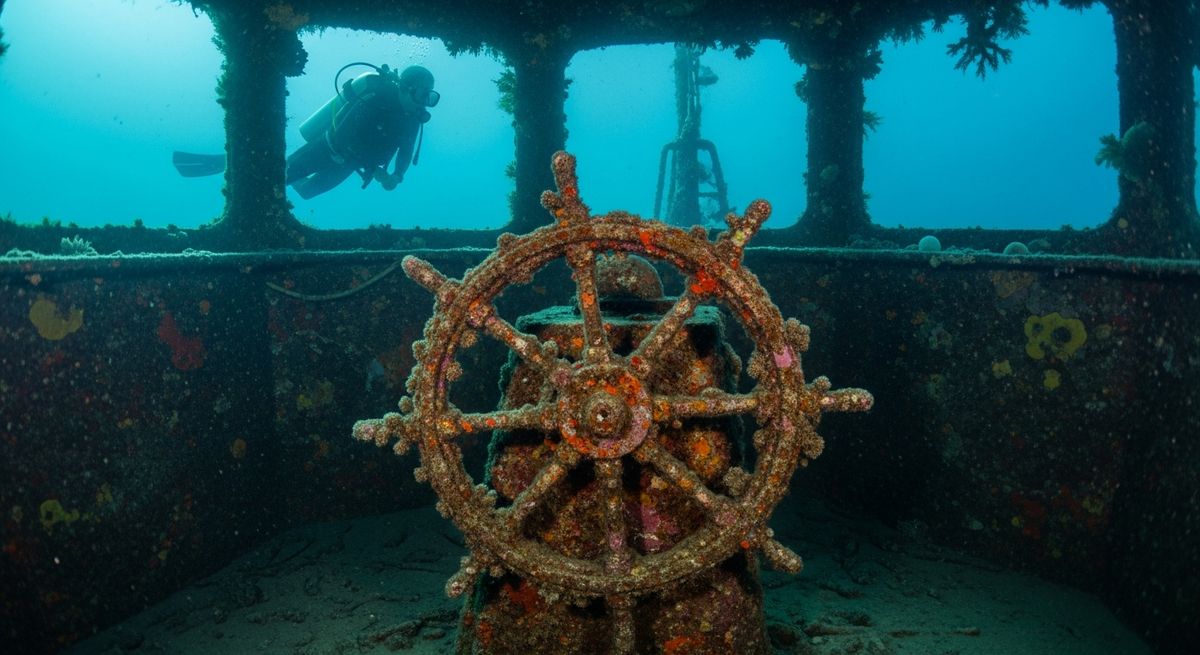
Willy T (Wreck)
Protected Area
Peter Island
Why dive here
With 491+ marine species recorded in the area - including barracuda, blacktip reef sharks, dolphins, dwarf minke whales and eagle rays - Willy T (Wreck) offers some of Salt Island & Cooper Island's richest wreck diving. Water ranges 27-30°C, warmest August, September, October.
The Willy T wreck is a good time, plain and simple. We love that it’s a deliberate sinking, purpose-built for divers after its storied life as a floating bar, and the team behind it really put in the effort. Dropping down, you’ll spot yellowtail snapper and creole wrasse circling above the deck, a nice contrast to the playful vibe below. The real fun here is exploring – you can actually "walk the plank" underwater, grab a seat at the bar, or even stage a mock sword fight if your buddy’s up for it. It’s shallow, maxing out at 19m, so you get plenty of bottom time to poke around. Visibility averages 16m, which is decent for getting those quirky photos. Look inside the old cabins for hiding crabs and blennies, while the sandy patches around the wreck are good for flounders and tiny shrimp. We’d suggest going in the mid-morning, after any early boat traffic has cleared, for the best light and fewest divers. It’s not a deep, serious wreck dive, but it’s a genuinely fun, interactive spot that’s great for divers who enjoy a bit of character with their coral.
Safety Notes
Wreck site - avoid penetration without wreck diving certification. Watch for sharp metal and entanglement hazards.
Nearest Dive Centres to Willy T (Wreck)
Dive shops near Willy T (Wreck)
Turquoise Turtle Charters
Sail Caribbean Divers
Crabby's
Reviews for Willy T (Wreck)
Conditions
Ocean conditions, forecast and tides for Willy T (Wreck)
Willy T (Wreck) Ocean Conditions
Monthly averages for Willy T (Wreck), sourced from Open-Meteo marine data - nearest station: Open-Meteo marine grid (18.37, -64.56) (2km away)
October Averages
Sea Temperature
30°C
86°F · Range: 28.9–31°C
Air Temperature
28°C
82°F
Wind Speed
7.7 m/s
15.0 knots
Atmospheric Pressure
1013.1 hPa
Based on 4 years of monitoring data · Data sources: Open-Meteo marine data
Plan & book
Ways to dive Salt Island & Cooper Island, from day trips to liveaboards.
Day trips & courses
via GetYourGuideGuided dives, courses and snorkel trips with instant booking.
Find dive trips in Salt Island & Cooper IslandPlaces to stay
via Booking.comHotels and dive resorts near Salt Island & Cooper Island.
Search stays in Salt Island & Cooper IslandDive insurance
Most travel insurance excludes or limits scuba. Check what you need before you go.
Dive insurance explainedPartner links: we may earn a commission if you book, at no extra cost to you. How we make money
Where to Stay near Willy T (Wreck)
Prices from Booking.com. We may earn a commission at no extra cost to you.