Diamond Reef
Protected Area
Lee Bay
Why dive here
With 491+ marine species recorded in the area - including barracuda, blacktip reef sharks, dolphins, dwarf minke whales and eagle rays - Diamond Reef offers some of Salt Island & Cooper Island's richest reef diving. Water ranges 27-30°C, warmest August, September, October.
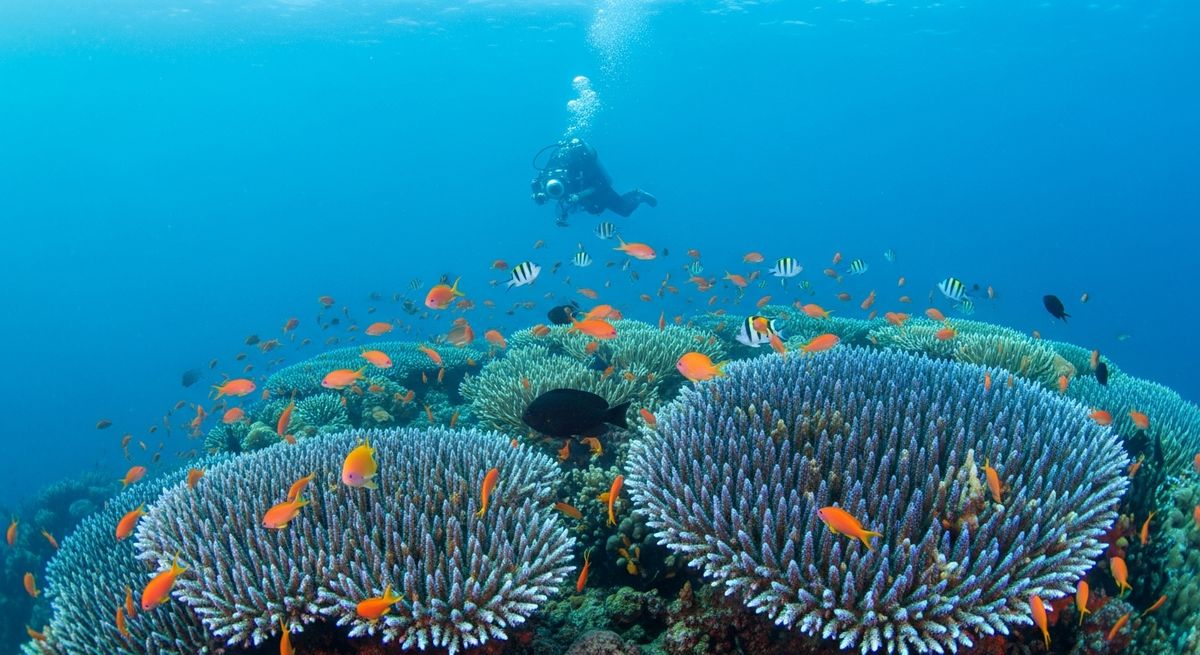
Diamond Reef is a little slice of coral heaven, especially when the light hits it just right. It’s only 13 metres deep, a gentle wall, really, and perfect for a lazy afternoon dive. We love that you can take your time here, gliding past the immense boulder brain corals and keeping an eye out for the more subtle residents. We’ve spent hours here, mesmerised by the tiny, iridescent ruby brittle stars tucked into crevices. The shortchin stargazers are a real treat if you’ve got a keen eye, usually buried in the sand, just their eyes peeking out. Look for the orangespotted filefish, they're often hovering near the fan corals. Visibility averages around 12 metres, which feels ample in this shallower, sheltered spot. It’s accessible in almost any weather, which makes it a great fallback when other sites are too choppy. This is a brilliant spot for newer divers, or anyone who just wants a relaxing, unhurried exploration. You get a real sense of intimacy with the reef without needing to go deep or fight a current.
Typical Diamond Reef Dive Profile
Illustrative profile based on site depth and type. Actual dive profiles vary - always follow your dive computer and training.
Nearest Dive Centres to Diamond Reef
Dive shops near Diamond Reef
Sail Caribbean Divers
Turquoise Turtle Charters
Crabby's
Reviews for Diamond Reef
Conditions
Ocean conditions, forecast and tides for Diamond Reef
Diamond Reef Ocean Conditions
Monthly averages for Diamond Reef, sourced from Open-Meteo marine data - nearest station: Open-Meteo marine grid (18.37, -64.56) (2km away)
October Averages
Sea Temperature
30°C
86°F · Range: 28.9–31°C
Air Temperature
28°C
82°F
Wind Speed
7.7 m/s
15.0 knots
Atmospheric Pressure
1013.1 hPa
Based on 4 years of monitoring data · Data sources: Open-Meteo marine data
Plan & book
Ways to dive Salt Island & Cooper Island, from day trips to liveaboards.
Day trips & courses
via GetYourGuideGuided dives, courses and snorkel trips with instant booking.
Find dive trips in Salt Island & Cooper IslandPlaces to stay
via Booking.comHotels and dive resorts near Salt Island & Cooper Island.
Search stays in Salt Island & Cooper IslandDive insurance
Most travel insurance excludes or limits scuba. Check what you need before you go.
Dive insurance explainedPartner links: we may earn a commission if you book, at no extra cost to you. How we make money
Where to Stay near Diamond Reef
Prices from Booking.com. We may earn a commission at no extra cost to you.