Avaavaroa Passage
Why dive here
With 134+ marine species recorded in the area - including humpback whales and pufferfish - Avaavaroa Passage offers some of Rarotonga's richest reef diving. Water ranges 24-28°C, warmest February, March, April.
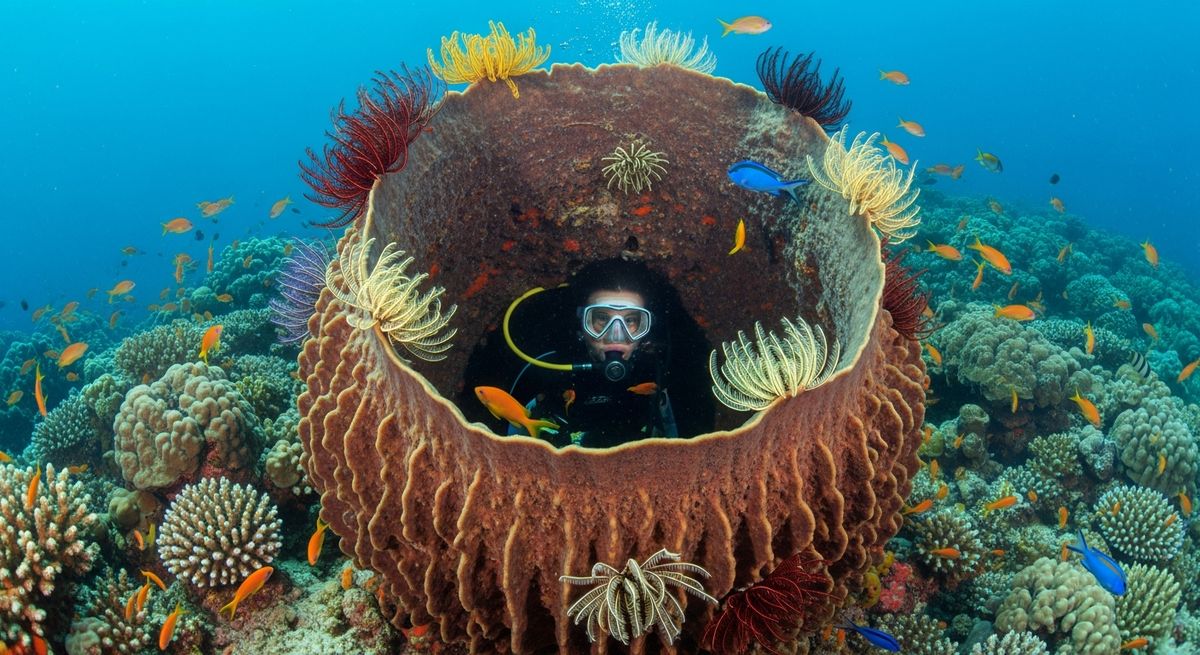
Avaavaroa Passage in Rarotonga gives you that genuine sense of adventure. We love dropping in on the outer reef, letting the surge push you gently into the channel. It’s like being ushered through a secret door. The real magic starts as you drift into those tight canyons – think Indiana Jones meets Jacques Cousteau. Sunlight shafts through cracks in the coral, illuminating schools of Achilles tang and bannerfish holding their position against the flow. You’ll definitely feel the current here; it's a dynamic dive, not one for dawdlers or heavy breathers. Keep an eye out for reef sharks cruising the deeper sections and don’t be surprised if an eagle ray glides past overhead. Our favourite trick is to find a spot to tuck in and just watch the show of fish life brought in by the water movement. This is a dive for those who enjoy a bit of pace and geological drama, offering an exciting drift through a labyrinth of coral. You’ll be treated to consistent reef shark sightings and the chance to spot turtles and eagle rays, all while navigating dramatic underwater topography. It suits divers comfortable with stronger currents and who appreciate a lively, ever-changing environment.
Nearest Dive Centres to Avaavaroa Passage
Dive shops near Avaavaroa Passage
Chantal's Concierge on the Beach
Adventure Cook Islands
Pacific Divers
Cook Island Divers
Reviews for Avaavaroa Passage
Conditions
Ocean conditions, forecast and tides for Avaavaroa Passage
Avaavaroa Passage Ocean Conditions
Monthly averages for Avaavaroa Passage, sourced from Open-Meteo marine data - nearest station: Open-Meteo marine grid (-21.2, -159.82) (1km away)
October Averages
Sea Temperature
24°C
76°F · Range: 23.3–26°C
Air Temperature
22°C
72°F
Wind Speed
9.54 m/s
18.5 knots
Atmospheric Pressure
1016.5 hPa
Based on 4 years of monitoring data · Data sources: Open-Meteo marine data
Plan & book
Ways to dive Rarotonga, from day trips to liveaboards.
Day trips & courses
via GetYourGuideGuided dives, courses and snorkel trips with instant booking.
Find dive trips in RarotongaPlaces to stay
via Booking.comHotels and dive resorts near Rarotonga.
Search stays in RarotongaDive insurance
Most travel insurance excludes or limits scuba. Check what you need before you go.
Dive insurance explainedPartner links: we may earn a commission if you book, at no extra cost to you. How we make money
Where to Stay near Avaavaroa Passage
Prices from Booking.com. We may earn a commission at no extra cost to you.