Tupapa Sandriver
Why dive here
With 134+ marine species recorded in the area - including humpback whales and pufferfish - Tupapa Sandriver offers some of Rarotonga's richest reef diving. Water ranges 24-28°C, warmest February, March, April.
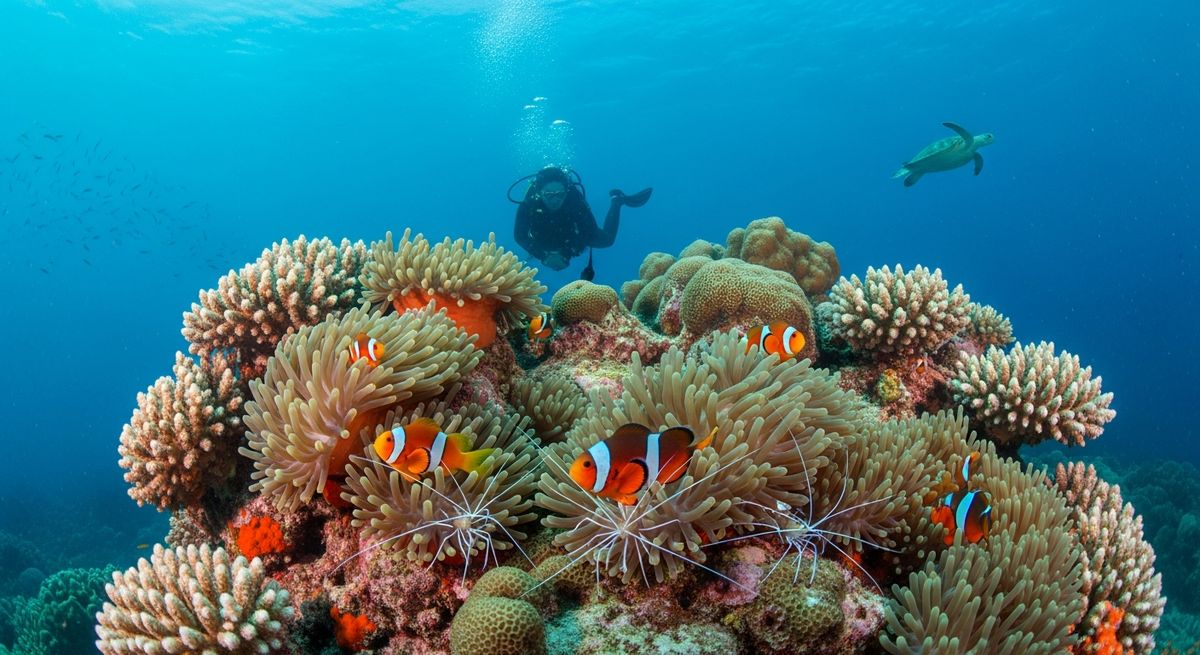
Tupapa Sandriver is one of those Rarotongan dives that really delivers. We love the way this channel pulls you in, starting shallow and just flowing down to 24 metres, framed by coral on both sides. On the north, the wall drops sharply, a real contrast to the gentler slope on the south. You drift along, looking for Celebes longfin eels poking out of the sand, and we almost always spot pacific cornetfish just hanging in the current. The current here can be a decent push, which we think makes the drift even better. We've seen reef sharks cruise by us, especially when we nudge a little deeper. Keep an eye out for spotted hawkfish perched on the staghorn coral, and the flash of a blue-lined tang darting past. Visibility often hits 30 metres, which means you can really appreciate the scale of the channel. It's a superb site for divers who enjoy a good drift and want to see some healthy coral and larger reef predators.
Typical Tupapa Sandriver Dive Profile
Illustrative profile based on site depth and type. Actual dive profiles vary - always follow your dive computer and training.
Nearest Dive Centres to Tupapa Sandriver
Dive shops near Tupapa Sandriver
Pacific Divers
Chantal's Concierge on the Beach
Cook Island Divers
Adventure Cook Islands
Reviews for Tupapa Sandriver
Conditions
Ocean conditions, forecast and tides for Tupapa Sandriver
Tupapa Sandriver Ocean Conditions
Monthly averages for Tupapa Sandriver, sourced from Open-Meteo marine data - nearest station: Open-Meteo marine grid (-21.2, -159.82) (1km away)
October Averages
Sea Temperature
24°C
76°F · Range: 23.3–26°C
Air Temperature
22°C
72°F
Wind Speed
9.54 m/s
18.5 knots
Atmospheric Pressure
1016.5 hPa
Based on 4 years of monitoring data · Data sources: Open-Meteo marine data
Plan & book
Ways to dive Rarotonga, from day trips to liveaboards.
Day trips & courses
via GetYourGuideGuided dives, courses and snorkel trips with instant booking.
Find dive trips in RarotongaPlaces to stay
via Booking.comHotels and dive resorts near Rarotonga.
Search stays in RarotongaDive insurance
Most travel insurance excludes or limits scuba. Check what you need before you go.
Dive insurance explainedPartner links: we may earn a commission if you book, at no extra cost to you. How we make money
Where to Stay near Tupapa Sandriver
Prices from Booking.com. We may earn a commission at no extra cost to you.