South Sands
Protected Area
Aliwal Shoal Marine Protected Area
Why dive here
With 490+ marine species recorded in the area - including barracuda, blue sharks, bull sharks, eagle rays and great white sharks - South Sands offers some of KwaZulu-Natal's richest reef diving. Water ranges 21-26°C, warmest January, February, March.
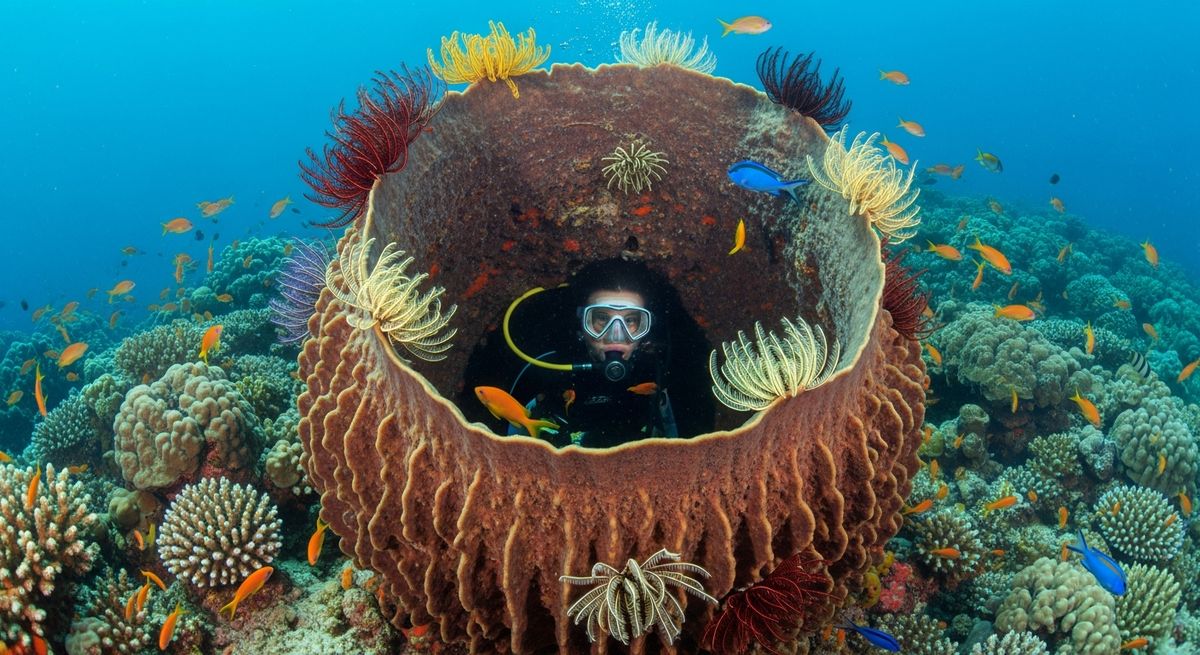
South Sands is a classic KwaZulu-Natal sand and reef edge dive, and we think it's one of the best spots for a leisurely drift. The maximum depth of 14m means plenty of bottom time, letting you really take in the scenery. We always find the big sand patches here incredibly calming, a stark contrast to the busy reef just a fin kick away. This site is fantastic for spotting rays and guitar sharks, often just cruising over the open sand. We've seen Spotted Groupers holding court near the coral heads, and schools of Springer shimmering in the blue. Keep an eye out for the smaller stuff too; the Adorned Wrasse are always busy, and the little Bar-Eyed Gobies often put on a show right in front of your mask. Visibility averages 13m, which is usually enough to watch a Spinner Shark zip by in the distance. It’s a great site if you're looking to slow down and really observe the smaller, quieter interactions.
Nearest Dive Centres to South Sands
Dive shops near South Sands
Aliwal Shoal Adventures - Ocean Warriors
ScubaXcursion
Blue Ocean Dive Resort
MISS BEHAVIN’S MERMAIDS
Umhlanga Scuba
Reviews for South Sands
Conditions
Ocean conditions, forecast and tides for South Sands
South Sands Ocean Conditions
Monthly averages for South Sands, sourced from Open-Meteo marine data - nearest station: Open-Meteo marine grid (-30.31, 30.76) (42km away)
October Averages
Sea Temperature
22°C
71°F · Range: 21–22.7°C
Air Temperature
20°C
68°F
Wind Speed
7.64 m/s
14.9 knots
Atmospheric Pressure
1017.9 hPa
Based on 4 years of monitoring data · Data sources: Open-Meteo marine data
Plan & book
Ways to dive KwaZulu-Natal, from day trips to liveaboards.
Day trips & courses
via GetYourGuideGuided dives, courses and snorkel trips with instant booking.
Find dive trips in KwaZulu-NatalPlaces to stay
via Booking.comHotels and dive resorts near KwaZulu-Natal.
Search stays in KwaZulu-NatalDive insurance
Most travel insurance excludes or limits scuba. Check what you need before you go.
Dive insurance explainedPartner links: we may earn a commission if you book, at no extra cost to you. How we make money
Where to Stay near South Sands
Prices from Booking.com. We may earn a commission at no extra cost to you.