KONIG
Protected Area
Dar es Salaam
Why dive here
With 312+ marine species recorded in the area - including barracuda, blue-spotted stingrays, dolphins, eagle rays and hammerhead sharks - KONIG offers some of Zanzibar & Pemba's richest wreck diving. Water ranges 26-30°C, warmest February, March, April.
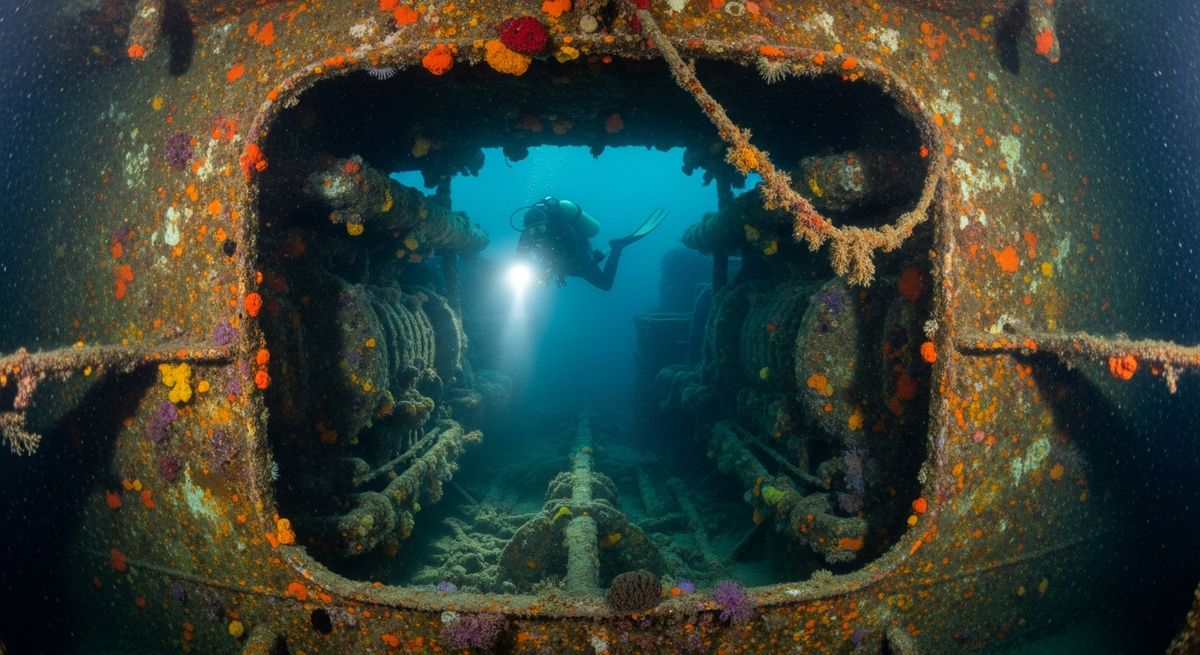
The Konig offers a fascinating dip into history right off Dar Es Salaam. This German steamship, scuttled in 1915 and later refloated, now rests in a surprisingly shallow two metres of water. We've finned around its considerable length, all 122 metres, taking in the scale of it. While the superstructure is mostly gone, the hull remains an impressive sight, completely encrusted. You'll find batfish often hanging around the more sheltered sections, and the occasional moray eel peeking from behind a plate. It’s a great spot for an easy, shallow dive, perfect for photographers wanting to capture the light playing on the wreck.
Typical KONIG Dive Profile
Illustrative profile based on site depth and type. Actual dive profiles vary - always follow your dive computer and training.
Safety Notes
Wreck site - avoid penetration without wreck diving certification. Watch for sharp metal and entanglement hazards.
Nearest Dive Centres to KONIG
Dive shops near KONIG
View all dive centres in Zanzibar & PembaReviews for KONIG
Conditions
Ocean conditions, forecast and tides for KONIG
KONIG Ocean Conditions
Monthly averages for KONIG, sourced from Open-Meteo marine data - nearest station: Open-Meteo marine grid (-5.98, 39.4) (10km away)
October Averages
Sea Temperature
27°C
81°F · Range: 25.9–28.4°C
Air Temperature
26°C
79°F
Wind Speed
4.72 m/s
9.2 knots
Atmospheric Pressure
1013.8 hPa
Based on 4 years of monitoring data · Data sources: Open-Meteo marine data
Plan & book
Ways to dive Zanzibar & Pemba, from day trips to liveaboards.
Day trips & courses
via GetYourGuideGuided dives, courses and snorkel trips with instant booking.
Find dive trips in Zanzibar & PembaPlaces to stay
via Booking.comHotels and dive resorts near Zanzibar & Pemba.
Search stays in Zanzibar & PembaDive insurance
Most travel insurance excludes or limits scuba. Check what you need before you go.
Dive insurance explainedPartner links: we may earn a commission if you book, at no extra cost to you. How we make money
Where to Stay near KONIG
Prices from Booking.com. We may earn a commission at no extra cost to you.