Nankivell
Protected Area
Maziwe Island
Why dive here
With 312+ marine species recorded in the area - including barracuda, blue-spotted stingrays, dolphins, eagle rays and hammerhead sharks - Nankivell offers some of Zanzibar & Pemba's richest reef diving. Water ranges 26-30°C, warmest February, March, April.
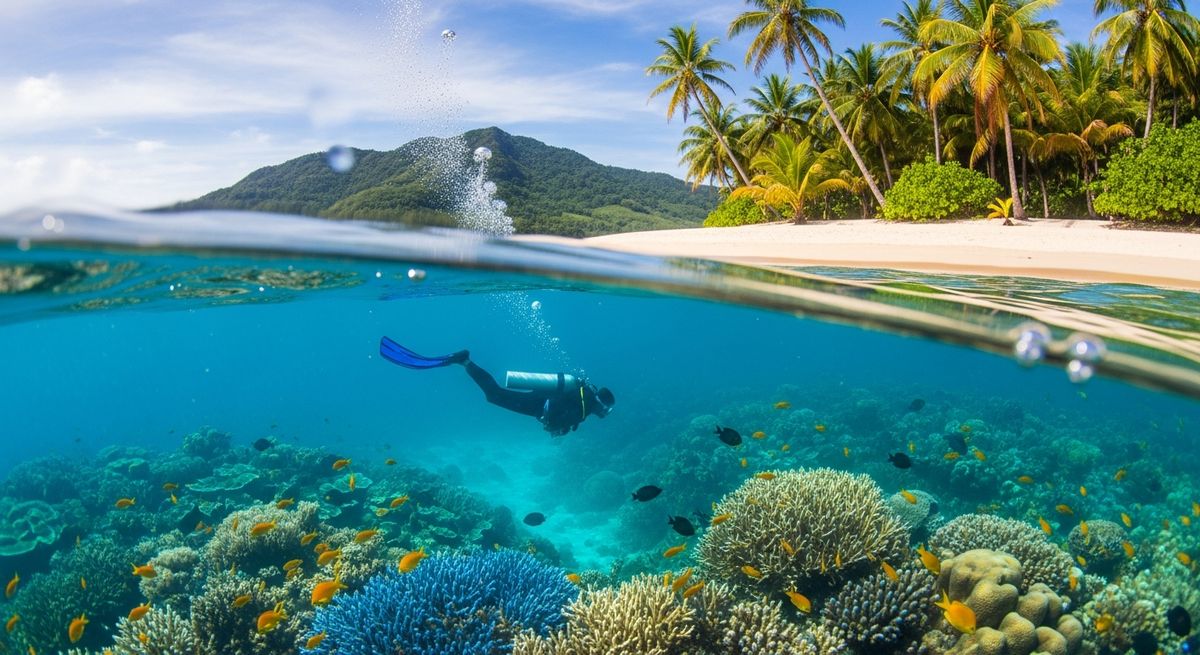
Nankivell, for us, is one of those sites that just feels *good*. It’s a patch reef, yes, but it’s a focused one, making it a proper treasure hunt. We love dropping in when the visibility is up – 14 metres is the average, but we’ve seen it push 20, and that’s when it truly shines. It’s got that vibrant, almost electric coral cover, densely packed, where you feel like you’re swimming through a living tapestry. The real draw here, beyond the sheer density of colour, are the smaller wonders. We’ve spent whole dives just combing the crevices, finding everything from Golden-Yellow Cones to the ridiculously ornate Blood-stained Frog Shell. Keep a keen eye out for the Granular Frog Shell too, their textured shells are just beautiful. Our favourite? Trying to spot the elusive seahorses that have made this place their home; it’s a patience game, but incredibly rewarding when you finally catch a glimpse. The yellow snapper schools create a shimmering curtain against the deeper blues, a constant, gentle motion. It’s a fantastic spot for photographers and anyone who loves to take their time exploring the intricate details of a healthy reef.
Nearest Dive Centres to Nankivell
Dive shops near Nankivell
Awesome Ocean Diving Center
ScubaCaribe Zanzibar
Spanish Dancer Divers
EGYPTIAN ZANZI LIMITID
Zanzibar Watersports @ Kendwa Rocks
SSI Freediving
Reviews for Nankivell
Conditions
Ocean conditions, forecast and tides for Nankivell
Nankivell Ocean Conditions
Monthly averages for Nankivell, sourced from Open-Meteo marine data - nearest station: Open-Meteo marine grid (-5.98, 39.4) (10km away)
October Averages
Sea Temperature
27°C
81°F · Range: 25.9–28.4°C
Air Temperature
26°C
79°F
Wind Speed
4.72 m/s
9.2 knots
Atmospheric Pressure
1013.8 hPa
Based on 4 years of monitoring data · Data sources: Open-Meteo marine data
Plan & book
Ways to dive Zanzibar & Pemba, from day trips to liveaboards.
Day trips & courses
via GetYourGuideGuided dives, courses and snorkel trips with instant booking.
Find dive trips in Zanzibar & PembaPlaces to stay
via Booking.comHotels and dive resorts near Zanzibar & Pemba.
Search stays in Zanzibar & PembaDive insurance
Most travel insurance excludes or limits scuba. Check what you need before you go.
Dive insurance explainedPartner links: we may earn a commission if you book, at no extra cost to you. How we make money
Where to Stay near Nankivell
Prices from Booking.com. We may earn a commission at no extra cost to you.