Seahorse
Protected Area
Maziwe Island
Why dive here
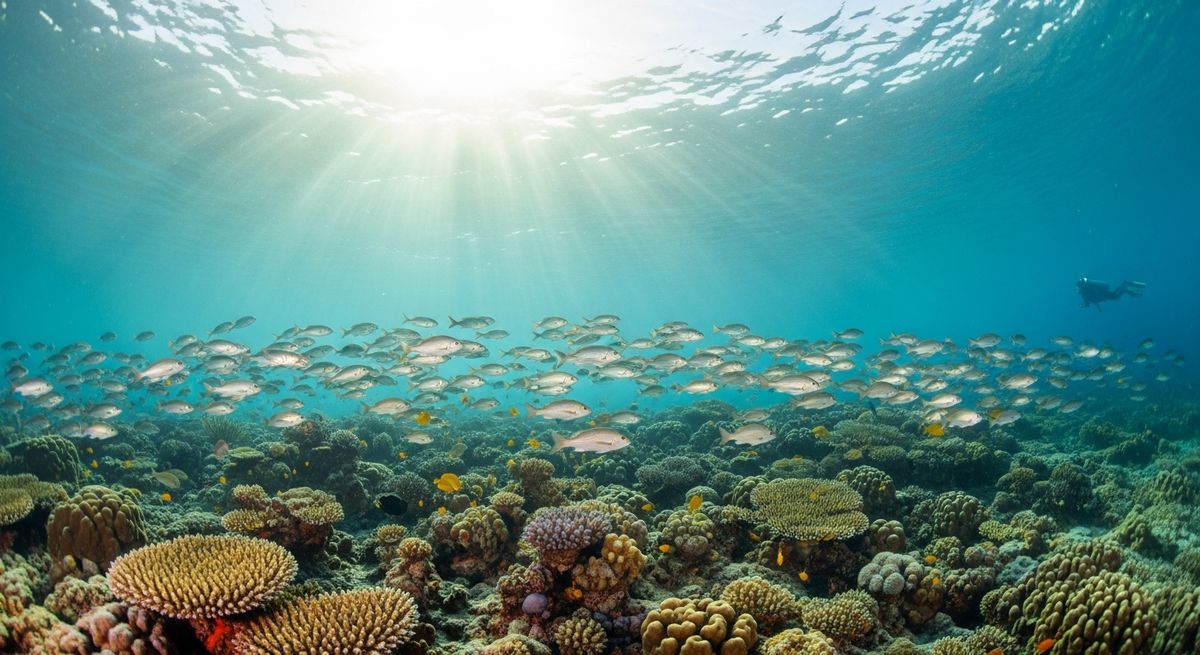
With 312+ marine species recorded in the area - including barracuda, blue-spotted stingrays, dolphins, eagle rays and hammerhead sharks - Seahorse offers some of Zanzibar & Pemba's richest reef diving. Water ranges 26-30°C, warmest February, March, April.
Seahorse, true to its name, delivers if you know where to look. We always hit the shallow seagrass beds first. It’s where those tiny, elusive seahorses cling, often no bigger than your thumbnail. You need a keen eye and plenty of patience to spot them, but the reward of seeing their delicate curls around a blade of grass is worth the effort. Beyond the seagrass, the reef slopes gently, dotted with some impressive tube sponges. We've seen Honeycomb Groupers lurking in the shadows there, and occasionally a cowfish bumbles by. Visibility averages a decent 15 meters, enough to appreciate the coral formations as you descend. It’s a tranquil, slow-paced dive, perfect for photographers or anyone who enjoys the thrill of the hunt for macro life. We’d suggest going in the morning; the light filtering through the seagrass is beautiful, and it’s usually calmer. Keep an eye out for Bloodspot pipefish too; they often share the same habitat as the seahorses.
Nearest Dive Centres to Seahorse
Dive shops near Seahorse
Mnemba Island Lodge
Dive Point Zanzibar
TGI
One Ocean Zanzibar
Ocean Dive
Scubafish Dive Center Ltd
Reviews for Seahorse
Conditions
Ocean conditions, forecast and tides for Seahorse
Seahorse Ocean Conditions
Monthly averages for Seahorse, sourced from Open-Meteo marine data - nearest station: Open-Meteo marine grid (-5.98, 39.4) (10km away)
October Averages
Sea Temperature
27°C
81°F · Range: 25.9–28.4°C
Air Temperature
26°C
79°F
Wind Speed
4.72 m/s
9.2 knots
Atmospheric Pressure
1013.8 hPa
Based on 4 years of monitoring data · Data sources: Open-Meteo marine data
Plan & book
Ways to dive Zanzibar & Pemba, from day trips to liveaboards.
Day trips & courses
via GetYourGuideGuided dives, courses and snorkel trips with instant booking.
Find dive trips in Zanzibar & PembaPlaces to stay
via Booking.comHotels and dive resorts near Zanzibar & Pemba.
Search stays in Zanzibar & PembaDive insurance
Most travel insurance excludes or limits scuba. Check what you need before you go.
Dive insurance explainedPartner links: we may earn a commission if you book, at no extra cost to you. How we make money
Where to Stay near Seahorse
Prices from Booking.com. We may earn a commission at no extra cost to you.