CABO CULLERA
Protected Area
Costes del Tarragonès
Why dive here
With 44+ marine species recorded in the area - including dolphins, ocean sunfish (mola mola) and sea turtles - CABO CULLERA offers some of Costa Brava's richest wreck diving. Water ranges 13-25°C, warmest July, August, September.
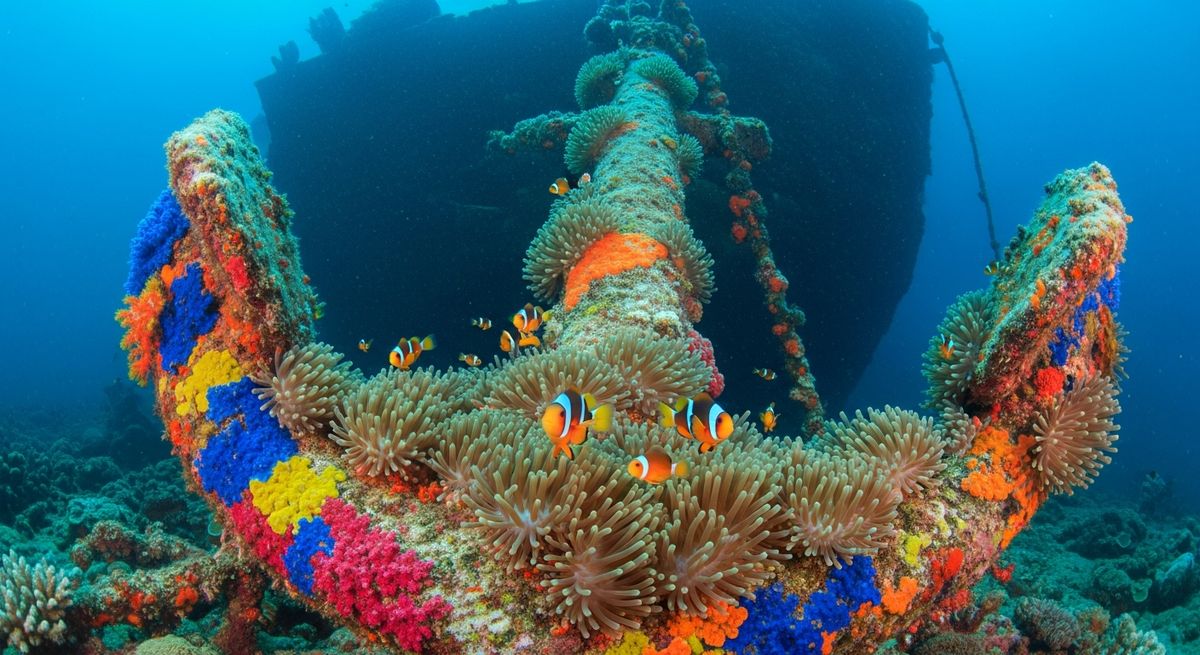
Forget those deep, dark wrecks where you’re just trying to make out a shape. Cabo Cullera throws all that out the window. This isn’t a dive, it’s a snorkel – and a brilliant one at that. The wreck sits practically on the surface, just a metre deep, making it accessible to anyone with a mask and fins. What you get is an old cargo ship, the *Sant Jordi*, which ran aground back in 1948. We love how the light plays on the broken hull, creating these incredible patterns on the sand below. It’s been down there long enough for the structure to become a home for all sorts of critters. We always spot shoals of damselfish darting in and out of the rusted metal, and it’s a fantastic spot to find octopus tucked into crevices. You can spend an hour just floating, exploring the twisted steel and imagining its past life. Our insider tip? Go early in the morning before any wind picks up, when the water is at its calmest and the light is softest. It’s perfect for families, or for divers who just want a relaxed surface session.
Typical CABO CULLERA Dive Profile
Illustrative profile based on site depth and type. Actual dive profiles vary - always follow your dive computer and training.
Safety Notes
Wreck site - avoid penetration without wreck diving certification. Watch for sharp metal and entanglement hazards.
CABO CULLERA Wreck History
Year Sunk
1939
Vessel Type
cargo ship
Cause
bombed
Tonnage
997 GRT
The Cabo Cullera is a stark and poignant relic of the Spanish Civil War. In January 1939, during the final, brutal months of the conflict, the Spanish steamship was anchored near Port de la Selva on the Costa Brava. It was there that it became a target for the German Condor Legion's aircraft, which were providing air support for the Nationalist forces. The vessel was bombed and sank at its mooring.
Resting in just one meter of water, the Cabo Cullera is less of a scuba dive and more of an accessible piece of history for snorkelers and freedivers. Its extreme shallow depth has exposed it to decades of wave action, which has broken the hull apart, scattering its remains across the seabed. Its 'Dangerous Wreck' classification is a warning about the sharp, twisted metal that lies just below the surface. Exploring the wreckage offers a direct and tangible connection to a turbulent period in Spain's past, as Mediterranean marine life slowly colonizes its structure.
Nearest Dive Centres to CABO CULLERA
Dive shops near CABO CULLERA
DIVING CENTER TARRACO
Thalassa Esports
Odysea
Reviews for CABO CULLERA
Conditions
Ocean conditions, forecast and tides for CABO CULLERA
CABO CULLERA Ocean Conditions
Monthly averages for CABO CULLERA, sourced from Open-Meteo marine data + Copernicus Marine (EU) - nearest station: Open-Meteo marine grid (42.12, 3.15) (24km away)
October Averages
Sea Temperature
20°C
68°F · Range: 18.2–22.8°C
Current Speed
1 cm/s
Direction: E (90°)
Salinity
37.91 PSU
Based on 4 years of monitoring data · Data sources: Open-Meteo marine data + Copernicus Marine (EU)
Plan & book
Ways to dive Costa Brava, from day trips to liveaboards.
Day trips & courses
via GetYourGuideGuided dives, courses and snorkel trips with instant booking.
Find dive trips in Costa BravaPlaces to stay
via Booking.comHotels and dive resorts near Costa Brava.
Search stays in Costa BravaDive insurance
Most travel insurance excludes or limits scuba. Check what you need before you go.
Dive insurance explainedPartner links: we may earn a commission if you book, at no extra cost to you. How we make money
Where to Stay near CABO CULLERA
Prices from Booking.com. We may earn a commission at no extra cost to you.