ALDERSHOT
Protected Area
Slapton Ley
Why dive here
With 176+ marine species recorded in the area - including blue sharks, dolphins, dwarf minke whales, humpback whales and ocean sunfish (mola mola) - ALDERSHOT offers some of Cornwall & Devon's richest wreck diving. Water ranges 10-18°C, warmest July, August, September.
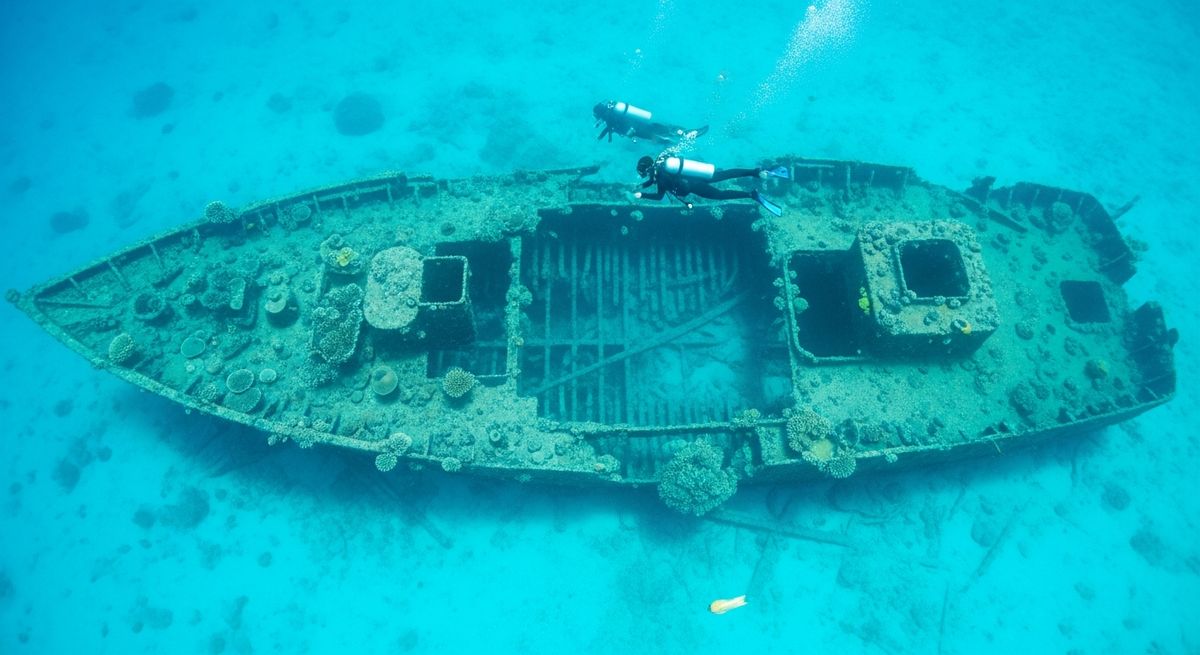
The Aldershot. Now there’s a proper wreck dive, one of our favourites off the Lizard. She's a big old steamer, went down in 1918, and lies in a respectable 55 metres. You’ll need your tech certs for this, and frankly, some experience diving in UK waters. We’ve had some truly stunning dives here, the kind where the viz just opens up to 10 metres and the light filters down through the green, highlighting the stern. When you drop down, the sheer size of her hits you. Eighty-five metres long, she’s largely intact and upright, making for fantastic exploration. We love the engine room, a real highlight; the triple-expansion engine is still there, impressive and corroded, a haven for conger eels. We’ve seen some absolute monsters lurking in the shadows there, thick as a diver's thigh. The boilers are massive too, usually covered in plumose anemones, waving gently in the current. She’s definitely a site for those who appreciate maritime history and a challenging, rewarding dive. Just remember, the Lizard can be a bit frisky with currents, so pick your weather window carefully for the best experience.
Typical ALDERSHOT Dive Profile
Illustrative profile based on site depth and type. Actual dive profiles vary - always follow your dive computer and training.
Safety Notes
Maximum depth 55m exceeds recreational limits (40m). Technical diving certification and equipment required.
Wreck site - avoid penetration without wreck diving certification. Watch for sharp metal and entanglement hazards.
Always perform a 3-minute safety stop at 5m before surfacing.
ALDERSHOT Wreck History
Year Sunk
1918
Vessel Type
cargo ship
Cause
torpedo
Tonnage
2,059 GRT
The SS Aldershot is a classic casualty of the First World War, a ghost from an era of unrestricted submarine warfare. Built in 1897, this British steamship spent two decades plying the trade routes before its final, fateful voyage. On September 23, 1918, while transporting a cargo of coal from Barry to Rouen, France, she was spotted by the German submarine UB-112. A single torpedo struck the vessel, and she sank beneath the waves, just weeks before the war's end.
Resting at a challenging depth of 55 meters, the Aldershot is now a prized site for technical divers exploring the rich maritime heritage of the English Channel. The wreck is significantly broken up but still recognizable, with her two large boilers and triple-expansion engine standing proud amidst the wreckage. Due to the depth, bottom times are short and the dive requires careful planning and execution. For those qualified to make the descent, the Aldershot offers a poignant and atmospheric glimpse into the final, brutal days of WWI.
Nearest Dive Centres to ALDERSHOT
Dive shops near ALDERSHOT
Teign Diving Centre
Edge Watersports
Sound Diving Limited
Plymouth Diving Centre
Reviews for ALDERSHOT
Conditions
Ocean conditions, forecast and tides for ALDERSHOT
ALDERSHOT Ocean Conditions
Monthly averages for ALDERSHOT, sourced from Open-Meteo marine data - nearest station: Open-Meteo marine grid (50.44, -2.73) (3km away)
October Averages
Sea Temperature
17°C
62°F · Range: 15.1–17.5°C
Air Temperature
13°C
56°F
Wind Speed
8.14 m/s
15.8 knots
Atmospheric Pressure
1011 hPa
Based on 4 years of monitoring data · Data sources: Open-Meteo marine data
Plan & book
Ways to dive Cornwall & Devon, from day trips to liveaboards.
Day trips & courses
via GetYourGuideGuided dives, courses and snorkel trips with instant booking.
Find dive trips in Cornwall & DevonPlaces to stay
via Booking.comHotels and dive resorts near Cornwall & Devon.
Search stays in Cornwall & DevonDive insurance
Most travel insurance excludes or limits scuba. Check what you need before you go.
Dive insurance explainedPartner links: we may earn a commission if you book, at no extra cost to you. How we make money
Where to Stay near ALDERSHOT
Prices from Booking.com. We may earn a commission at no extra cost to you.