ATHINA B
Protected Area
Brighton to Newhaven Cliffs
Why dive here
With 176+ marine species recorded in the area - including blue sharks, dolphins, dwarf minke whales, humpback whales and ocean sunfish (mola mola) - ATHINA B offers some of Cornwall & Devon's richest wreck diving. Water ranges 10-18°C, warmest July, August, September.
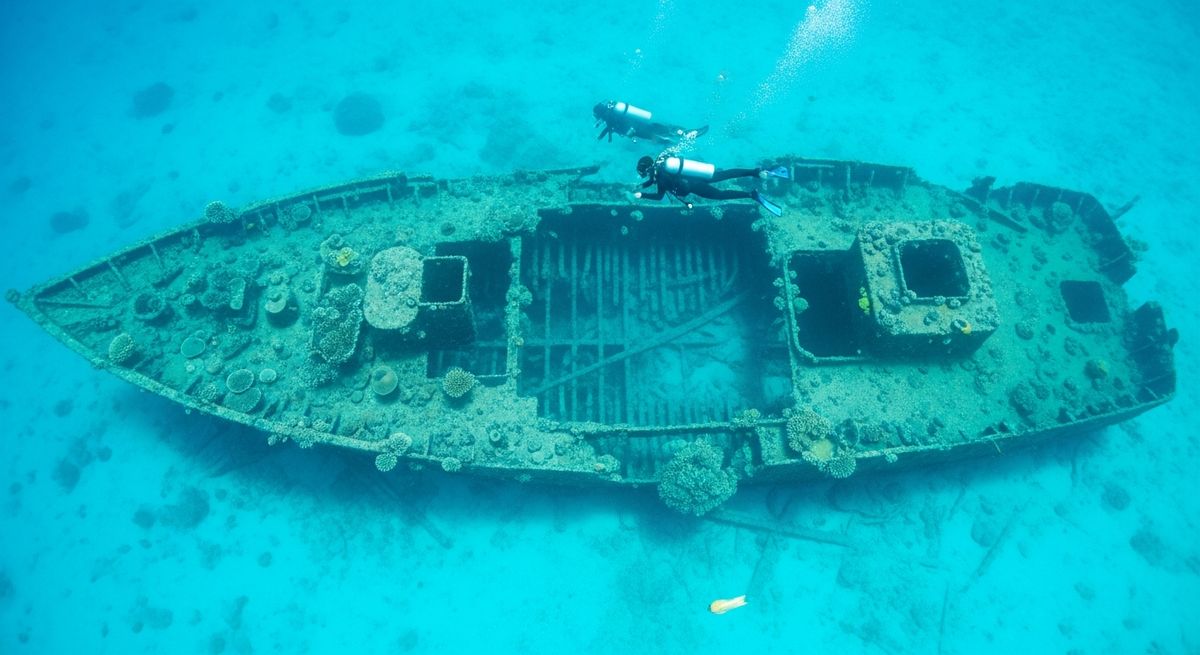
The Athina B is a proper Cornish legend, albeit a relatively young one. She ran aground in 1980 after a rough run-in with a storm, and the wreck of this 89-metre motor vessel now lies scattered off the coast, creating a fantastic playground for divers. We actually prefer her broken state; it means you get distinct sections to explore rather than just one big hull. You’ll find her bow section standing quite proud, often shrouded in a hazy green light that’s typical of the English Channel. It’s got a wonderfully eerie feel. Keep an eye out for conger eels tucked into every crevice, sometimes surprisingly large ones. Further along, the midships and stern are more flattened, but this has allowed kelp and anemones to really take hold. The colours here, especially on a bright day, are quite vivid, with purples and oranges against the dark steel. We always recommend timing your dive for slack water; the currents here can be a bit frisky, making it a much more enjoyable experience when they calm down. The Athina B really suits divers who appreciate a wreck with a story, offering plenty of nooks and crannies for investigation and a surprising amount of invertebrate life.
Safety Notes
Wreck site - avoid penetration without wreck diving certification. Watch for sharp metal and entanglement hazards.
ATHINA B Wreck History
Year Sunk
1980
Vessel Type
cargo ship
Cause
grounding
Tonnage
3,452 GRT
The story of the Athina B is one of modern maritime drama that unfolded in full view of the public. In January 1980, the Greek cargo ship was bound for Shoreham with a load of pumice when her engines failed in a fierce storm. For twelve agonizing hours, she drifted helplessly, dragging her anchor as rescue attempts were thwarted by the terrible weather. The captain ultimately made the decision to beach the vessel to save his crew.
On January 21, the Athina B came to rest on Brighton Beach, just east of the Palace Pier. She immediately became a massive tourist attraction, drawing such large crowds that the historic Volk's Electric Railway had to open out of season to manage the sightseers. The ship remained a local landmark for a month before being refloated and towed away to be scrapped.
Although the wreck itself is long gone, its legacy endures. The ship's huge anchor was preserved and is now mounted on the Brighton seafront as a monument to the dramatic event. While you can no longer dive the vessel, a visit to the site allows you to stand where the ship once lay and see the very anchor that fought and lost its battle with the storm.
Nearest Dive Centres to ATHINA B
Dive shops near ATHINA B
Ocean View
Abyss Scuba School
Mulberry Marine Experiences CIC
Sussex Diving & Leisure
Reviews for ATHINA B
Conditions
Ocean conditions, forecast and tides for ATHINA B
ATHINA B Ocean Conditions
Monthly averages for ATHINA B, sourced from Open-Meteo marine data - nearest station: Open-Meteo marine grid (50.44, -2.73) (3km away)
October Averages
Sea Temperature
17°C
62°F · Range: 15.1–17.5°C
Air Temperature
13°C
56°F
Wind Speed
8.14 m/s
15.8 knots
Atmospheric Pressure
1011 hPa
Based on 4 years of monitoring data · Data sources: Open-Meteo marine data
Plan & book
Ways to dive Cornwall & Devon, from day trips to liveaboards.
Day trips & courses
via GetYourGuideGuided dives, courses and snorkel trips with instant booking.
Find dive trips in Cornwall & DevonPlaces to stay
via Booking.comHotels and dive resorts near Cornwall & Devon.
Search stays in Cornwall & DevonDive insurance
Most travel insurance excludes or limits scuba. Check what you need before you go.
Dive insurance explainedPartner links: we may earn a commission if you book, at no extra cost to you. How we make money
Where to Stay near ATHINA B
Prices from Booking.com. We may earn a commission at no extra cost to you.