BEN OLIVER
Protected Area
East Head West Wittering
Why dive here
With 176+ marine species recorded in the area - including blue sharks, dolphins, dwarf minke whales, humpback whales and ocean sunfish (mola mola) - BEN OLIVER offers some of Cornwall & Devon's richest wreck diving. Water ranges 10-18°C, warmest July, August, September.
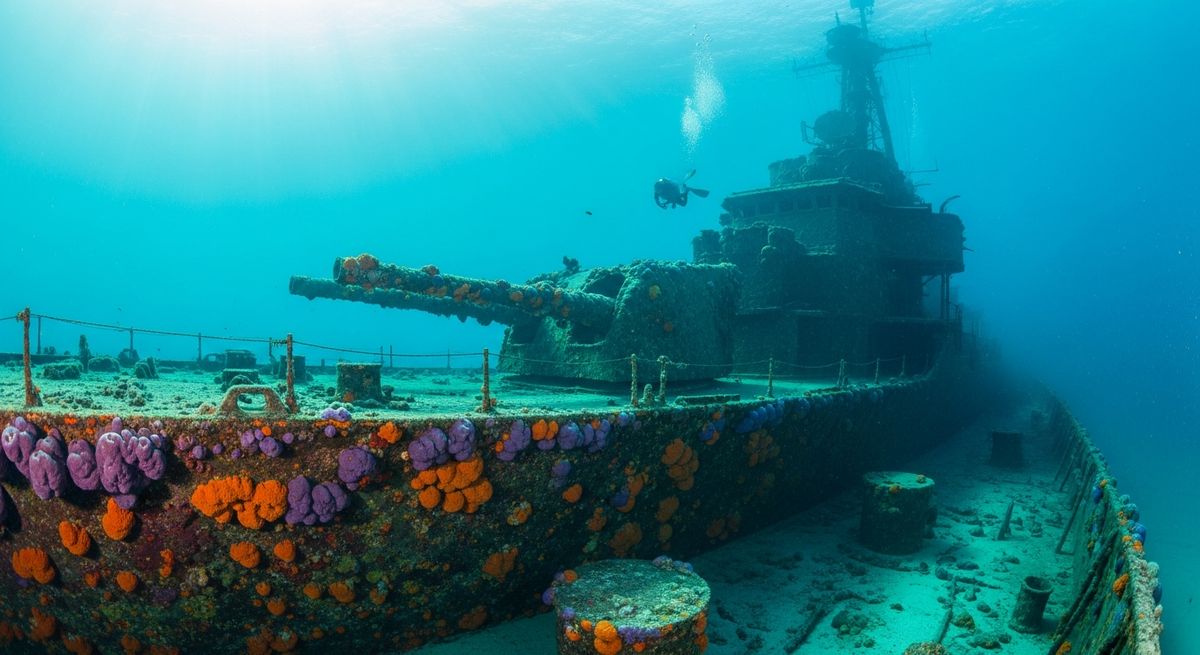
The Ben Oliver, sitting shallow in the entrance to Chichester Harbour, is one of those wrecks we keep coming back to. At only a metre deep, it’s not about grand penetration or challenging currents; it’s about a relaxed, almost meditative dive. We love that you can pretty much spend an hour just circling the remains of the old dredger, poking around its 27-metre length. It’s completely encrusted, obviously. Think dense carpets of plumose anemones, their white tentacles swaying with the slightest movement of the water. Flounder often hug the sandy bottom next to the hull, perfectly camouflaged, and you’ll spot gobies darting between the crevices. Visibility can be a bit variable here, depending on the tide and recent weather, but we’ve had some cracking dives when it’s settled, offering clear views of the entire structure. It’s ideal for photographers looking to capture macro life against a wreck backdrop, or for anyone who just wants a simple, rewarding dip without the fuss of deep diving. Our favourite time to dive it is on a slack tide, just after high water, when the current is at its most forgiving.
Typical BEN OLIVER Dive Profile
Illustrative profile based on site depth and type. Actual dive profiles vary - always follow your dive computer and training.
Safety Notes
Wreck site - avoid penetration without wreck diving certification. Watch for sharp metal and entanglement hazards.
BEN OLIVER Wreck History
Vessel Type
dredger
Cause
unknown
The history of the Ben Oliver dredger is shrouded in mystery, with little known about the vessel or the circumstances of its sinking. What is certain is its final resting place at the entrance to Chichester Harbour, where it lies in just one metre of water. At 27 metres long, its shallow depth means that parts of its hull and superstructure are often visible from the surface, making it an easy site to locate.
For divers, the Ben Oliver presents a unique opportunity for a relaxed and accessible exploration. Its extreme shallow depth makes it an ideal site for novice divers, training dives, or even snorkelers on a calm day. Visibility can vary depending on the tide and weather, but on a clear day, the entire wreck can be taken in at a glance. Marine life has begun to colonise the structure, offering macro photography opportunities amidst the rusting metal. While not a challenging wreck, it's a fascinating piece of local maritime history sitting in plain sight.
Nearest Dive Centres to BEN OLIVER
Dive shops near BEN OLIVER
Sussex Diving & Leisure
Mulberry Marine Experiences CIC
In2 Diving
Abyss Scuba School
Andark Diving
Ocean View
Reviews for BEN OLIVER
Conditions
Ocean conditions, forecast and tides for BEN OLIVER
BEN OLIVER Ocean Conditions
Monthly averages for BEN OLIVER, sourced from Open-Meteo marine data - nearest station: Open-Meteo marine grid (50.44, -2.73) (3km away)
October Averages
Sea Temperature
17°C
62°F · Range: 15.1–17.5°C
Air Temperature
13°C
56°F
Wind Speed
8.14 m/s
15.8 knots
Atmospheric Pressure
1011 hPa
Based on 4 years of monitoring data · Data sources: Open-Meteo marine data
Plan & book
Ways to dive Cornwall & Devon, from day trips to liveaboards.
Day trips & courses
via GetYourGuideGuided dives, courses and snorkel trips with instant booking.
Find dive trips in Cornwall & DevonPlaces to stay
via Booking.comHotels and dive resorts near Cornwall & Devon.
Search stays in Cornwall & DevonDive insurance
Most travel insurance excludes or limits scuba. Check what you need before you go.
Dive insurance explainedPartner links: we may earn a commission if you book, at no extra cost to you. How we make money
Where to Stay near BEN OLIVER
Prices from Booking.com. We may earn a commission at no extra cost to you.