BUFFALO
Protected Area
Godrevy Head to St Agnes
Why dive here
With 176+ marine species recorded in the area - including blue sharks, dolphins, dwarf minke whales, humpback whales and ocean sunfish (mola mola) - BUFFALO offers some of Cornwall & Devon's richest wreck diving. Water ranges 10-18°C, warmest July, August, September.
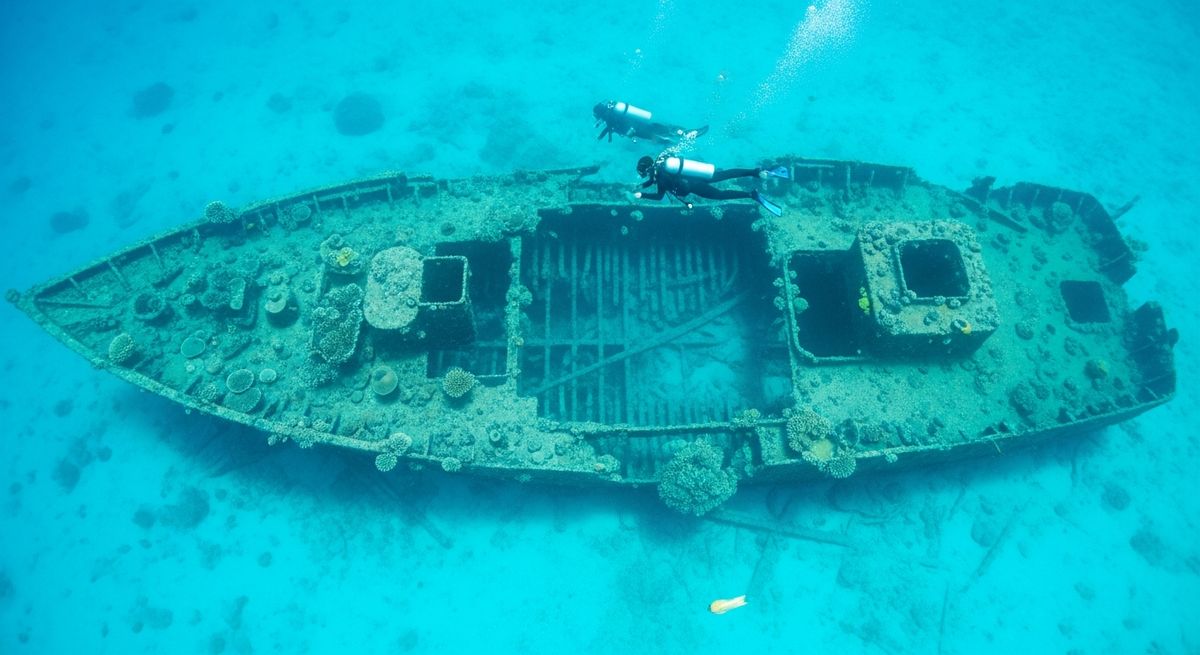
The Buffalo, a sturdy iron steamship from 1866, lies at a comfortable 27 metres in the often-chilly waters off Cornwall. We love a good historical wreck, and this one delivers without the deep-tech commitment. It’s not about huge pelagics here; it's about the structure itself and the smaller critters that have made it home. Visibility can be hit-or-miss, but when it's good, you can appreciate the scale of this 47.9-metre vessel. The single boiler is a prominent feature, and we always spend a good chunk of time picking apart the details of the compound expansion engine. It’s a proper rummage, full of nooks where conger eels lurk and jewel anemones flare in vibrant oranges and pinks. Look closely for nudibranchs on the encrusting sponges. We'd suggest timing your dive for slack water; the currents here can be a bit lively otherwise, especially around the exposed sections of the hull. This wreck is perfect for divers who appreciate history and don't mind a bit of a hunt for marine life.
Typical BUFFALO Dive Profile
Illustrative profile based on site depth and type. Actual dive profiles vary - always follow your dive computer and training.
Safety Notes
Depth of 27m - Advanced Open Water certification recommended.
Wreck site - avoid penetration without wreck diving certification. Watch for sharp metal and entanglement hazards.
Always perform a 3-minute safety stop at 5m before surfacing.
BUFFALO Wreck History
Year Sunk
1918
Vessel Type
cargo ship
Cause
unknown
Resting at 27 meters off the coast of Cornwall, the SS Buffalo is a classic steamship wreck that tells a story of a bygone era. Built of iron in 1866 by the renowned Thames Ironworks in London, she was a workhorse of her time, powered by a single boiler and a compound expansion engine. For over 50 years, she plied the seas, eventually coming under the ownership of James Little & Sons of Ayrshire.
Her long career came to an end on September 13th, 1918. While the exact cause of her sinking isn't recorded, her loss during the final months of World War I strongly suggests she was a casualty of the conflict, likely falling victim to a German U-boat's torpedo or mine. Today, the Buffalo offers a fascinating dive into the past. Her iron hull has succumbed to the sea over the last century, creating a scattered but intriguing site where divers can explore the remains of her machinery and imagine her final, fateful voyage in the treacherous waters of the Western Approaches.
Nearest Dive Centres to BUFFALO
Dive shops near BUFFALO
Wavecrest Scuba
Dive Newquay
Seaways Diving
DiveUK
Karleyth Diving Ltd.
Porthkerris Divers
Reviews for BUFFALO
Conditions
Ocean conditions, forecast and tides for BUFFALO
BUFFALO Ocean Conditions
Monthly averages for BUFFALO, sourced from Open-Meteo marine data - nearest station: Open-Meteo marine grid (50.44, -2.73) (3km away)
October Averages
Sea Temperature
17°C
62°F · Range: 15.1–17.5°C
Air Temperature
13°C
56°F
Wind Speed
8.14 m/s
15.8 knots
Atmospheric Pressure
1011 hPa
Based on 4 years of monitoring data · Data sources: Open-Meteo marine data
Plan & book
Ways to dive Cornwall & Devon, from day trips to liveaboards.
Day trips & courses
via GetYourGuideGuided dives, courses and snorkel trips with instant booking.
Find dive trips in Cornwall & DevonPlaces to stay
via Booking.comHotels and dive resorts near Cornwall & Devon.
Search stays in Cornwall & DevonDive insurance
Most travel insurance excludes or limits scuba. Check what you need before you go.
Dive insurance explainedPartner links: we may earn a commission if you book, at no extra cost to you. How we make money
Where to Stay near BUFFALO
Prices from Booking.com. We may earn a commission at no extra cost to you.