HMS VIPER - Cornwall & Devon

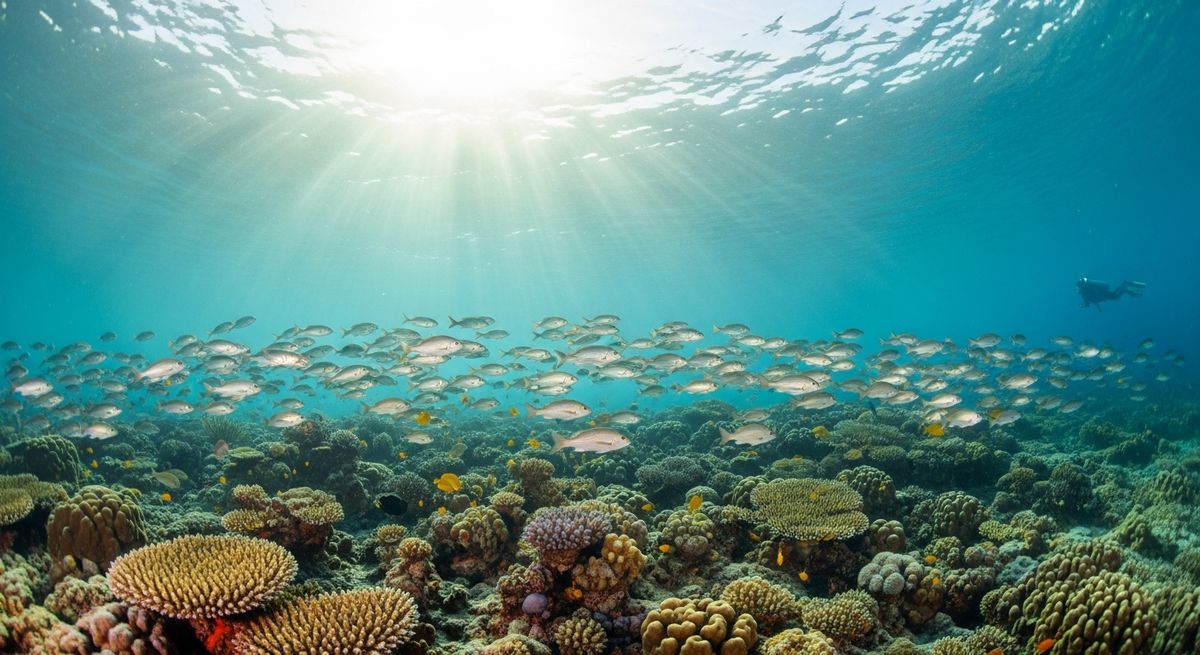
The HMS Viper wreck, tangled among the rocks off Alderney, is a surprisingly engaging dive for such a shallow site. We're talking just 4m here, which means incredible bottom time and great light penetration on a sunny day. She was a torpedo boat destroyer, a cutting-edge vessel for her time, and it’s a bizarre feeling to drift over history so close to the surface. What’s left of her is spread out, a jumble of metal plates and twisted girders that tell a story of a ship that ran aground during maneuvers in 1901. We love exploring the scattered pieces, imagining the chaos that must have ensued. Even with the limited structure, there's a real sense of history. Because it’s so shallow, the light really plays across the seabed, highlighting the anemones and small crabs that have colonised the metalwork. You'll find plenty of wrasse darting in and out, and we’ve spotted small schools of pollock congregating around the larger sections. It’s a perfect site for newer divers looking for their first wreck experience, or anyone who just wants a relaxed, long dive with a bit of historical intrigue. The easy depth means photographers get fantastic natural light, too.

Location
Cornwall & Devon, United Kingdom, Mediterranean & Europe
Coordinates
49.737217, -2.275550
Type
wreck
Maximum Depth
4m

Marine Protected Area: Gouliot Caves and Headland, Sark

Best Time to Dive in Cornwall & Devon

The warmest water temperatures in Cornwall & Devon occur in January, averaging 9.6°C. The coolest conditions are in December at 9.6°C.

Monthly Water Temperatures

  • January: 9.6°C (air: 7.3°C)
  • February: 9.6°C (air: 8.4°C)
  • March: 9.6°C (air: 8.6°C)
  • April: 9.6°C (air: 10.1°C)
  • May: 9.6°C (air: 12.6°C)
  • June: 9.6°C (air: 15.2°C)
  • July: 9.6°C (air: 16.6°C)
  • August: 9.6°C (air: 17.1°C)
  • September: 9.6°C (air: 15.9°C)
  • October: 9.6°C (air: 13.5°C)
  • November: 9.6°C (air: 10.7°C)
  • December: 9.6°C (air: 8.7°C)

Nearby Dive Sites in Cornwall & Devon

Nearest Dive Centres to HMS VIPER

Marine Life in Cornwall & Devon

Home to 192 recorded species including 93 reef fish, 18 sharks & rays, 13 whales & dolphins, 11 crabs & lobsters, 11 other, 10 seagrass & algae.

Notable Species

Recommended Packing List for HMS VIPER

Based on average water temperature of 9.6°C.

  • Drysuit - water at 10°C demands a drysuit with thermal undergarments
  • Hood & Gloves (7mm+) - critical to prevent heat loss
  • Mask - essential for every dive
  • Fins
  • BCD - buoyancy compensator
  • Regulator - your most safety-critical piece of gear
  • Dive Computer - tracks depth, time, and NDL
  • Surface Marker Buoy (SMB) - essential for boat pickups
  • Dive Torch - useful for crevices and colour at depth
  • Underwater Camera - capture your diving memories

Frequently Asked Questions

What is the typical depth range for diving the HMS Viper wreck near Alderney?
The typical depth for diving the HMS Viper wreck is 4 meters. This makes it a very shallow dive, offering good light penetration on clear days. Divers should be aware that even at this depth, conditions can vary.
What kind of marine life and wreck features can divers expect to see on the HMS Viper dive site?
Divers exploring the HMS Viper can expect to see the remains of a 64-meter long and 6.4-meter wide destroyer vessel. This historic wreck, sunk in 1901, offers structural features typical of a turn-of-the-century warship. While specific marine life is not detailed, wrecks commonly become artificial reefs, attracting local species over time.
How challenging is diving the HMS Viper wreck, considering the strong currents in the Alderney Race?
Diving the HMS Viper wreck is classified as an intermediate difficulty dive. This rating indicates that divers should possess a good level of experience and skill. While the specific current strengths are not detailed in the provided information, divers should always be prepared for varying conditions when exploring wrecks.
What are the best times of year and tidal conditions for diving the HMS Viper wreck in Alderney?
The provided data does not specify the best times of year or optimal tidal conditions for diving the HMS Viper wreck. For up-to-date information on seasonality and specific tidal windows, divers should consult local dive operators in the Cornwall & Devon area. Planning dives around slack tide is often crucial for wreck explorations.
What diving certifications or experience levels are recommended for diving the HMS Viper wreck?
Diving the HMS Viper wreck is rated as an intermediate difficulty dive. This suggests that divers should have a good level of experience beyond basic open water certification. It is recommended that divers possess advanced training or significant experience in similar conditions to safely explore this historic site.
What are the typical current strengths and visibility conditions experienced at the HMS Viper dive site?
The provided data for the HMS Viper dive site does not specify typical current strengths or visibility conditions. These environmental factors can fluctuate greatly depending on local weather and tidal patterns. Divers should always check with local dive centers in Cornwall & Devon for the most up-to-date information before planning their exploration.