CORMORAN
Protected Area
Bridgend Flats, Islay
Why dive here
With 112+ marine species recorded in the area - including blue whales, dolphins, dwarf minke whales, humpback whales and ocean sunfish (mola mola) - CORMORAN offers some of Scottish West Coast's richest wreck diving.
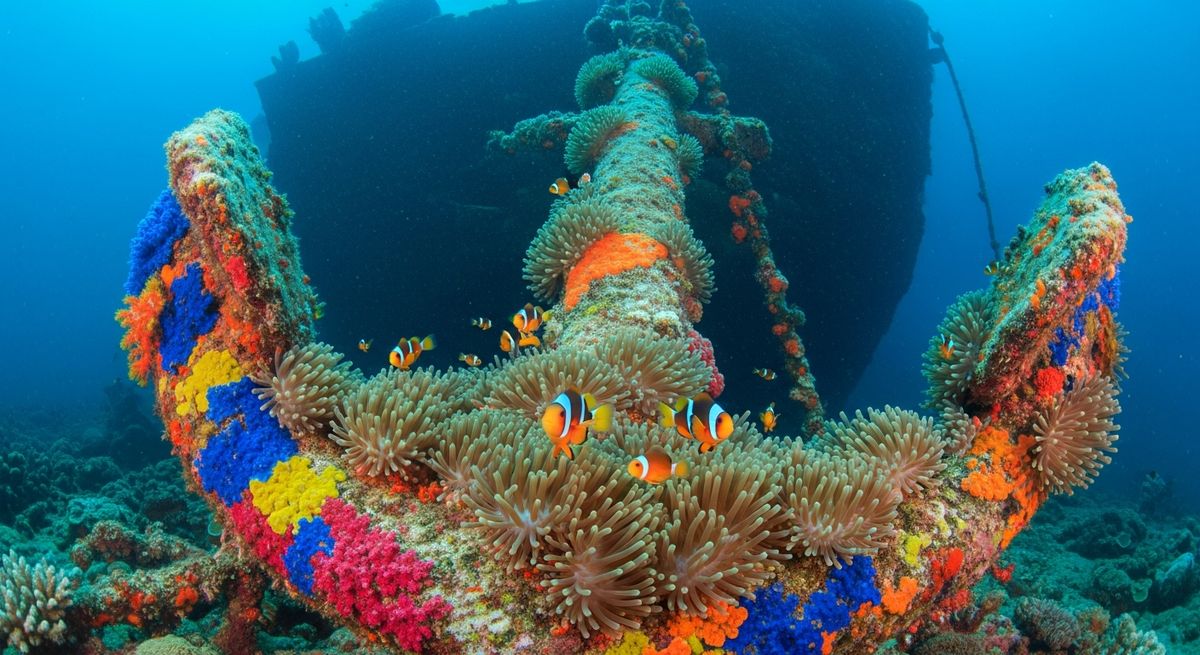
The Cormoran is a proper Scottish wreck, sitting upright and surprisingly intact for a trawler that went down in 1909. We love it because it’s not just a pile of metal; you can still make out the forecastle, the holds, and a good chunk of the engine room. Descending onto the deck, you’ll often find dogfish tucked into crevices and ling peeking out from darker corners. Look closely at the deck plating, especially where it meets the superstructure – squat lobsters and velvet swimming crabs are nearly always present, a blur of red against the rust. This wreck really comes alive when there’s a bit of surge, the kelp fronds swaying back and forth, making the whole scene feel more dynamic. We’d suggest focusing your dive on exploring the bow section and the bridge area first, where the most structural integrity remains. The visibility here can be classic West Coast – sometimes a milky green, other times a crisp 10 metres – so be prepared for either. It’s a fantastic site for anyone who enjoys exploring a coherent wreck and appreciating how nature reclaims man-made structures.
Safety Notes
Wreck site - avoid penetration without wreck diving certification. Watch for sharp metal and entanglement hazards.
Reviews for CORMORAN
Conditions
Ocean conditions, forecast and tides for CORMORAN
Plan & book
Ways to dive Scottish West Coast, from day trips to liveaboards.
Day trips & courses
via GetYourGuideGuided dives, courses and snorkel trips with instant booking.
Find dive trips in Scottish West CoastPlaces to stay
via Booking.comHotels and dive resorts near Scottish West Coast.
Search stays in Scottish West CoastDive insurance
Most travel insurance excludes or limits scuba. Check what you need before you go.
Dive insurance explainedPartner links: we may earn a commission if you book, at no extra cost to you. How we make money
Where to Stay near CORMORAN
Prices from Booking.com. We may earn a commission at no extra cost to you.