DALTON
Protected Area
Bridgend Flats, Islay
Why dive here
With 112+ marine species recorded in the area - including blue whales, dolphins, dwarf minke whales, humpback whales and ocean sunfish (mola mola) - DALTON offers some of Scottish West Coast's richest wreck diving.
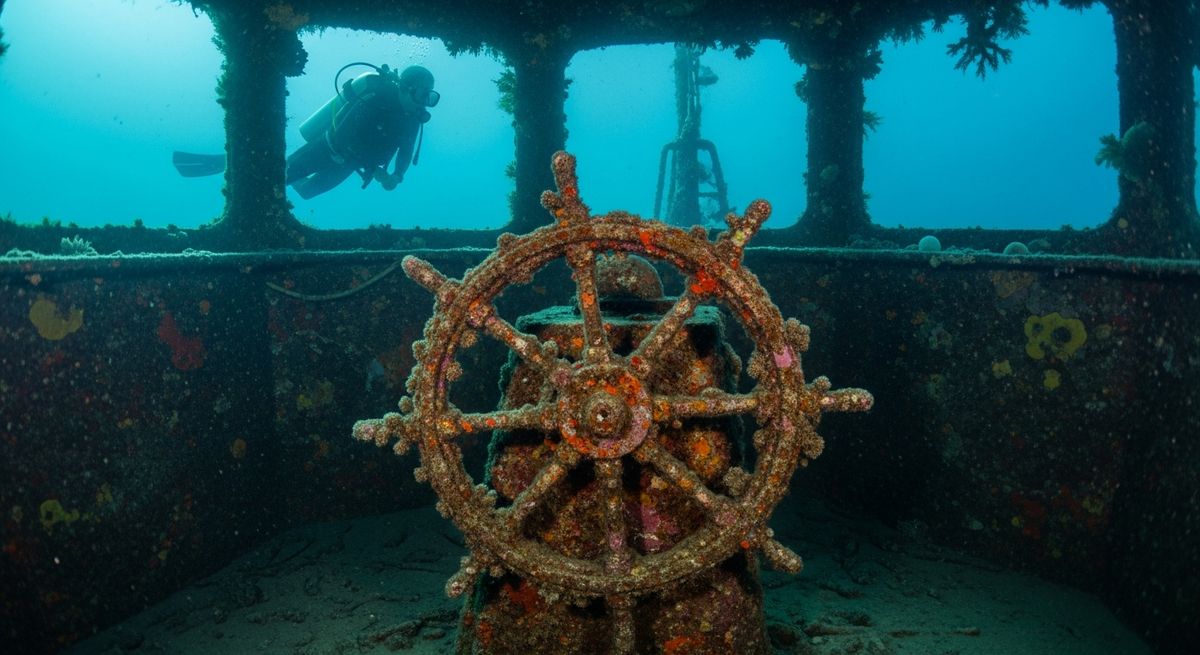
The Dalton, a steamship that went down in 1895, offers a proper historical dive. She’s big, nearly 100 metres long, and lies broken but still impressive on the seabed. We love a wreck with a story, and the Dalton’s history as a Liverpool, Brazil, and River Plate Co. vessel adds a layer of fascination. Exploring her two boilers and the compound expansion engine is a real highlight, giving you a tangible link to her working life. Over a century underwater means she’s well-colonised. Expect to see plenty of squat lobsters tucked into every crevice, and plumose anemones waving in the gentle surge, their white tentacles almost glowing in the gloom. The play of light, even on a cloudy day, can be beautiful as it filters down through the kelp, illuminating sections of twisted metal. This site is brilliant for those who appreciate maritime history and don’t mind a bit of a low-visibility challenge – it’s part of the Scottish wreck diving charm. Our top tip? Take your time, really look into the nooks and crannies. That’s where the best stuff hides.
Safety Notes
Wreck site - avoid penetration without wreck diving certification. Watch for sharp metal and entanglement hazards.
Reviews for DALTON
Conditions
Ocean conditions, forecast and tides for DALTON
Plan & book
Ways to dive Scottish West Coast, from day trips to liveaboards.
Day trips & courses
via GetYourGuideGuided dives, courses and snorkel trips with instant booking.
Find dive trips in Scottish West CoastPlaces to stay
via Booking.comHotels and dive resorts near Scottish West Coast.
Search stays in Scottish West CoastDive insurance
Most travel insurance excludes or limits scuba. Check what you need before you go.
Dive insurance explainedPartner links: we may earn a commission if you book, at no extra cost to you. How we make money
Where to Stay near DALTON
Prices from Booking.com. We may earn a commission at no extra cost to you.