GLEN HOLME
Protected Area
Jura
Why dive here
With 112+ marine species recorded in the area - including blue whales, dolphins, dwarf minke whales, humpback whales and ocean sunfish (mola mola) - GLEN HOLME offers some of Scottish West Coast's richest wreck diving.
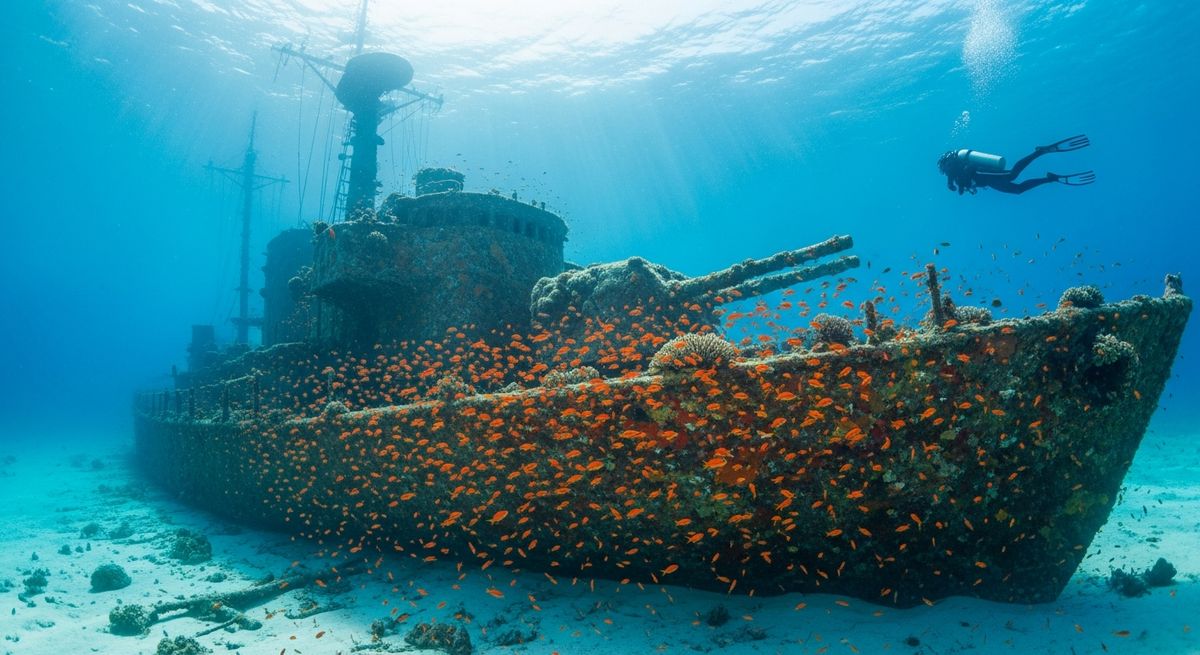
The Glen Holme, sunk way back in 1893, is a proper slice of history sitting in Scottish waters. At just 6m deep, it's an easy dive, perfect for extending your bottom time and really soaking it all in. We love how accessible this wreck is, making it a brilliant spot for newer wreck divers or those wanting a relaxed bimble. She’s broken up now, but you can still trace the outline of her 65-meter hull, and that single boiler is a real landmark, standing proud amongst the scattered plates. The visibility here can vary, but on a good day, the light penetration into the shallow water makes the metal gleam with an eerie, almost silver hue. Our favourite bits are the nooks and crannies where the wreck has collapsed, creating sheltered spots for crabs and blennies to dart about. You'll often find a lazy dogfish tucked under a piece of decking, and the kelp gently sways with the surge, creating a wonderfully atmospheric backdrop. It’s not about huge pelagics here; it's about the quiet beauty of a wreck slowly becoming part of the seabed, rich with the smaller, more intimate details of marine life.
Typical GLEN HOLME Dive Profile
Illustrative profile based on site depth and type. Actual dive profiles vary - always follow your dive computer and training.
Safety Notes
Wreck site - avoid penetration without wreck diving certification. Watch for sharp metal and entanglement hazards.
Reviews for GLEN HOLME
Conditions
Ocean conditions, forecast and tides for GLEN HOLME
Plan & book
Ways to dive Scottish West Coast, from day trips to liveaboards.
Day trips & courses
via GetYourGuideGuided dives, courses and snorkel trips with instant booking.
Find dive trips in Scottish West CoastPlaces to stay
via Booking.comHotels and dive resorts near Scottish West Coast.
Search stays in Scottish West CoastDive insurance
Most travel insurance excludes or limits scuba. Check what you need before you go.
Dive insurance explainedPartner links: we may earn a commission if you book, at no extra cost to you. How we make money
Where to Stay near GLEN HOLME
Prices from Booking.com. We may earn a commission at no extra cost to you.