JACK ABRY II
Protected Area
Rum
Why dive here
With 112+ marine species recorded in the area - including blue whales, dolphins, dwarf minke whales, humpback whales and ocean sunfish (mola mola) - JACK ABRY II offers some of Scottish West Coast's richest wreck diving.
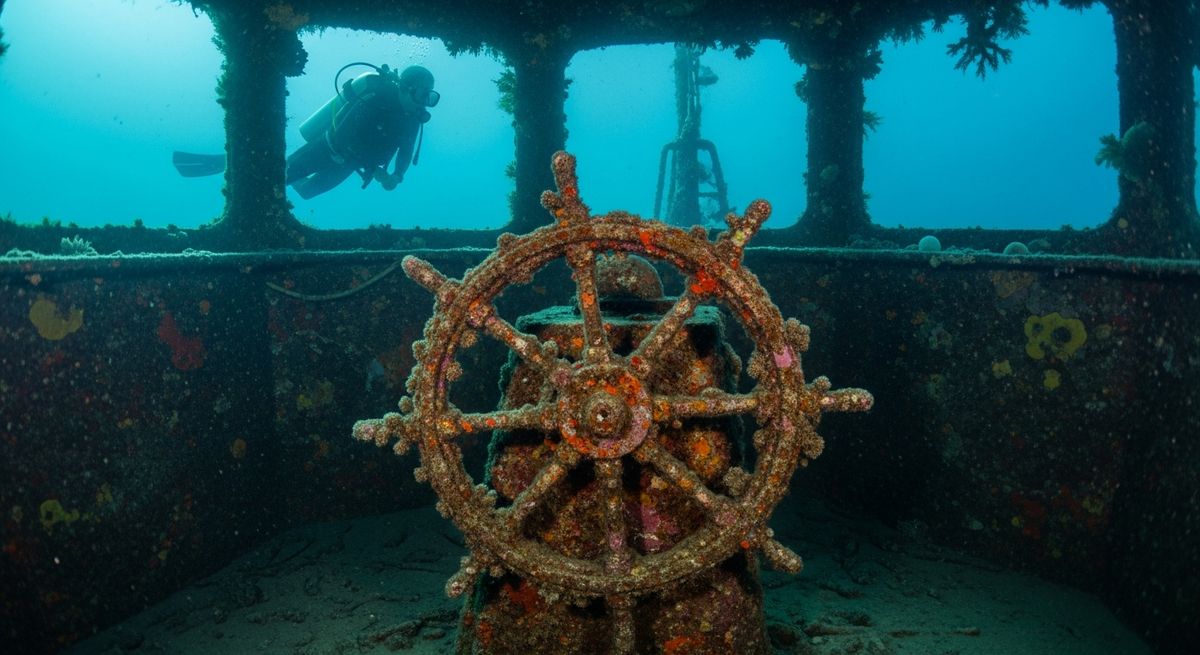
We love a good wreck with a story, and the Jack Abry II has one. This steel-hulled French trawler met its end in 2011, not from a storm, but because the skipper fell asleep. The weather wasn’t exactly calm that night – a Force 9 gale was blowing – which just adds to the drama. She sits upright in a sheltered bay, a relatively intact wreck in surprisingly shallow water, making her accessible to most divers. The Jack Abry II is a fantastic dive for exploration. You can follow the length of her 45.8-metre hull, noting the damage from her grounding. The wheelhouse is a highlight, often still showing some of the original console, and the trawl deck at the stern is a fascinating place to poke around. Even though she's not been down long, the Scottish cold water has done its work, blanketing the steel in a thick coat of plumose anemones and dead man’s fingers. Look closely, and you’ll spot wrasse darting between the holds, conger eels peeking from crevices, and the occasional inquisitive seal often makes an appearance. For divers looking for an engaging wreck without extreme depths or currents, the Jack Abry II is a brilliant choice. We find her most enjoyable on a calm day; while the bay is sheltered, strong winds can still kick up a chop.
Safety Notes
Wreck site - avoid penetration without wreck diving certification. Watch for sharp metal and entanglement hazards.
Reviews for JACK ABRY II
Conditions
Ocean conditions, forecast and tides for JACK ABRY II
Plan & book
Ways to dive Scottish West Coast, from day trips to liveaboards.
Day trips & courses
via GetYourGuideGuided dives, courses and snorkel trips with instant booking.
Find dive trips in Scottish West CoastPlaces to stay
via Booking.comHotels and dive resorts near Scottish West Coast.
Search stays in Scottish West CoastDive insurance
Most travel insurance excludes or limits scuba. Check what you need before you go.
Dive insurance explainedPartner links: we may earn a commission if you book, at no extra cost to you. How we make money
Where to Stay near JACK ABRY II
Prices from Booking.com. We may earn a commission at no extra cost to you.