JOHN PRESTON
Protected Area
Glas Eileanan
Why dive here
With 112+ marine species recorded in the area - including blue whales, dolphins, dwarf minke whales, humpback whales and ocean sunfish (mola mola) - JOHN PRESTON offers some of Scottish West Coast's richest wreck diving.
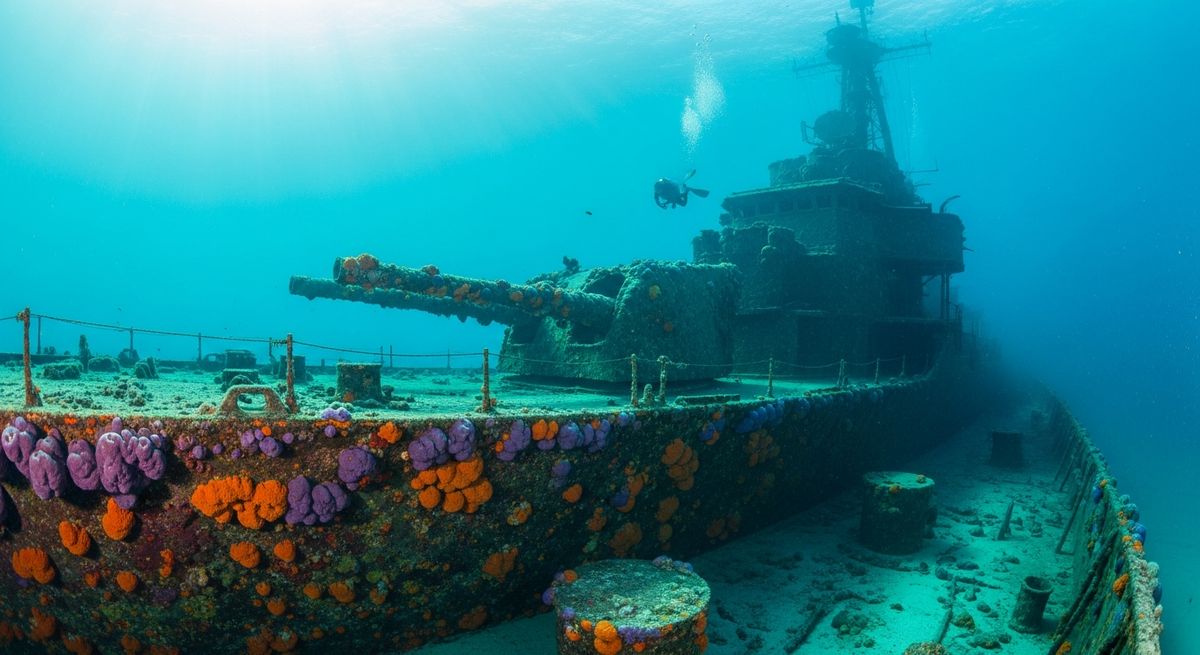
The John Preston isn't a huge wreck, but what it lacks in size, it makes up for in character. Lying in a shallow 15 metres, this 1855 Welsh-built sailing vessel was caught in a force 10 gale off Lochaline Pier, Mull, back in 1882. We love that you can still feel that history, even with the way she’s broken up. You’ll find her scattered, with timbers, iron fastenings, and some really interesting ballast stones spread across the seabed. It's less about penetration here, more about exploring the debris field. The kelp sways thick overhead, and beneath it, you’ll spot velvet swimming crabs scuttling amongst the plates and blennies poking their heads from nooks in the decaying timbers. It’s a great site for photographers who enjoy macro subjects or for newer divers getting a feel for wreck diving without the depth. We'd suggest aiming for a calm day; even though it's shallow, the current can pick up, making sorting through the pieces a bit of a challenge. Our favourite is finding some of the old, hand-forged ironwork; it’s beautiful how the sea has sculpted it.
Typical JOHN PRESTON Dive Profile
Illustrative profile based on site depth and type. Actual dive profiles vary - always follow your dive computer and training.
Safety Notes
Wreck site - avoid penetration without wreck diving certification. Watch for sharp metal and entanglement hazards.
Always perform a 3-minute safety stop at 5m before surfacing.
Nearest Dive Centres to JOHN PRESTON
Dive shops near JOHN PRESTON
View all dive centres in Scottish West CoastReviews for JOHN PRESTON
Conditions
Ocean conditions, forecast and tides for JOHN PRESTON
Plan & book
Ways to dive Scottish West Coast, from day trips to liveaboards.
Day trips & courses
via GetYourGuideGuided dives, courses and snorkel trips with instant booking.
Find dive trips in Scottish West CoastPlaces to stay
via Booking.comHotels and dive resorts near Scottish West Coast.
Search stays in Scottish West CoastDive insurance
Most travel insurance excludes or limits scuba. Check what you need before you go.
Dive insurance explainedPartner links: we may earn a commission if you book, at no extra cost to you. How we make money
Where to Stay near JOHN PRESTON
Prices from Booking.com. We may earn a commission at no extra cost to you.