KNIGHTSGARTH
Protected Area
Rathlin Island
Why dive here
With 112+ marine species recorded in the area - including blue whales, dolphins, dwarf minke whales, humpback whales and ocean sunfish (mola mola) - KNIGHTSGARTH offers some of Scottish West Coast's richest wreck diving.
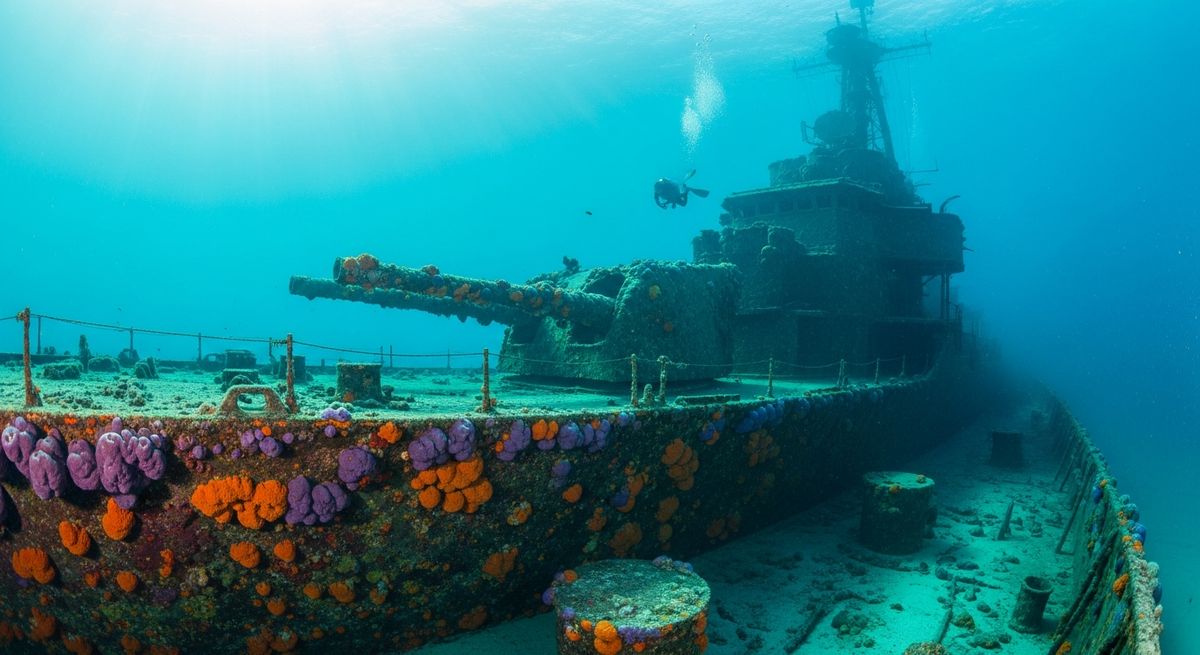
The *Knightsgarth* on the Scottish West Coast is a wreck site we keep coming back to, and not just because it’s a good excuse for a trip up north. This isn’t a deep dive, sitting at a maximum of 6 metres, but don’t let that fool you into thinking it’s a quick dip. The wreck is quite broken up, sprawled out on the seabed, but the sheer scale of those scattered remains is what makes it so engaging. You’re really diving into a massive engineering puzzle here. We love picking our way through the ribs of the hull, spotting the huge boilers that still loom large, and imagining the triple-expansion engine. It’s a proper hands-on experience of history. While it’s not dripping with colourful corals, the cold-water marine life has truly embraced this steel structure. Look closely among the wreckage and you’ll find crabs scuttling in every nook, plump dogfish resting on the plates, and often schools of saithe swirling around the taller sections. Visibility here can be variable, as with much of the west coast, so our advice is to aim for slack water on a neap tide for the best chance of a clearer view. It suits divers who appreciate historical wrecks and the hardy, fascinating life of temperate waters.
Typical KNIGHTSGARTH Dive Profile
Illustrative profile based on site depth and type. Actual dive profiles vary - always follow your dive computer and training.
Safety Notes
Wreck site - avoid penetration without wreck diving certification. Watch for sharp metal and entanglement hazards.
Nearest Dive Centres to KNIGHTSGARTH
Dive shops near KNIGHTSGARTH
View all dive centres in Scottish West CoastReviews for KNIGHTSGARTH
Conditions
Ocean conditions, forecast and tides for KNIGHTSGARTH
Plan & book
Ways to dive Scottish West Coast, from day trips to liveaboards.
Day trips & courses
via GetYourGuideGuided dives, courses and snorkel trips with instant booking.
Find dive trips in Scottish West CoastPlaces to stay
via Booking.comHotels and dive resorts near Scottish West Coast.
Search stays in Scottish West CoastDive insurance
Most travel insurance excludes or limits scuba. Check what you need before you go.
Dive insurance explainedPartner links: we may earn a commission if you book, at no extra cost to you. How we make money
Where to Stay near KNIGHTSGARTH
Prices from Booking.com. We may earn a commission at no extra cost to you.