KYLE SKYE
Protected Area
South Coast of Arran
Why dive here
With 112+ marine species recorded in the area - including blue whales, dolphins, dwarf minke whales, humpback whales and ocean sunfish (mola mola) - KYLE SKYE offers some of Scottish West Coast's richest wreck diving.
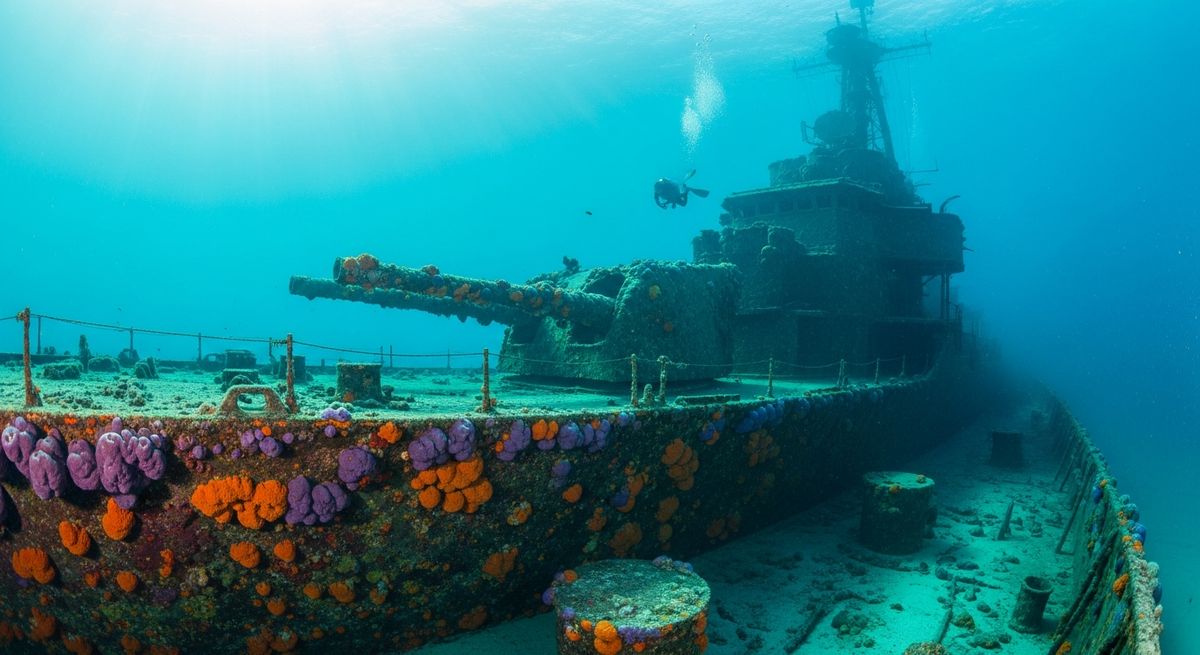
The Kyle Skye, resting just off the Scottish West Coast, isn’t about huge depths or big pelagics. This is a shallow wreck, a steamer sunk back in 1940, and it’s a masterclass in how time and the sea reclaim things. We love it because it’s so accessible – truly, just a meter deep in places, which means maximum bottom time and light penetration. What you get here is pure texture. The bow and stern sections are still distinct, even after all these years, with the midships flattened somewhat. The boiler is a real focal point, and the whole structure is draped in kelp and seaweeds that sway with the gentle surge. As you explore, look for the little things: nudibranchs tucked into crevices, small blennies darting between the plates, and shoals of juvenile fish using the wreckage for shelter. It’s an intimate dive, perfect for photographers who want to play with natural light and macro subjects, or anyone who enjoys the quiet contemplation of history beneath the waves. We’d suggest a calm, sunny day to really appreciate the light show through the kelp.
Typical KYLE SKYE Dive Profile
Illustrative profile based on site depth and type. Actual dive profiles vary - always follow your dive computer and training.
Safety Notes
Wreck site - avoid penetration without wreck diving certification. Watch for sharp metal and entanglement hazards.
Nearest Dive Centres to KYLE SKYE
Dive shops near KYLE SKYE
Field Studies Council Millport
C&C MARINE SERVICES
Reviews for KYLE SKYE
Conditions
Ocean conditions, forecast and tides for KYLE SKYE
Plan & book
Ways to dive Scottish West Coast, from day trips to liveaboards.
Day trips & courses
via GetYourGuideGuided dives, courses and snorkel trips with instant booking.
Find dive trips in Scottish West CoastPlaces to stay
via Booking.comHotels and dive resorts near Scottish West Coast.
Search stays in Scottish West CoastDive insurance
Most travel insurance excludes or limits scuba. Check what you need before you go.
Dive insurance explainedPartner links: we may earn a commission if you book, at no extra cost to you. How we make money
Where to Stay near KYLE SKYE
Prices from Booking.com. We may earn a commission at no extra cost to you.