PORTAFERRY
Protected Area
Lochs Duich, Long and Alsh Reefs
Why dive here
With 112+ marine species recorded in the area - including blue whales, dolphins, dwarf minke whales, humpback whales and ocean sunfish (mola mola) - PORTAFERRY offers some of Scottish West Coast's richest wreck diving.
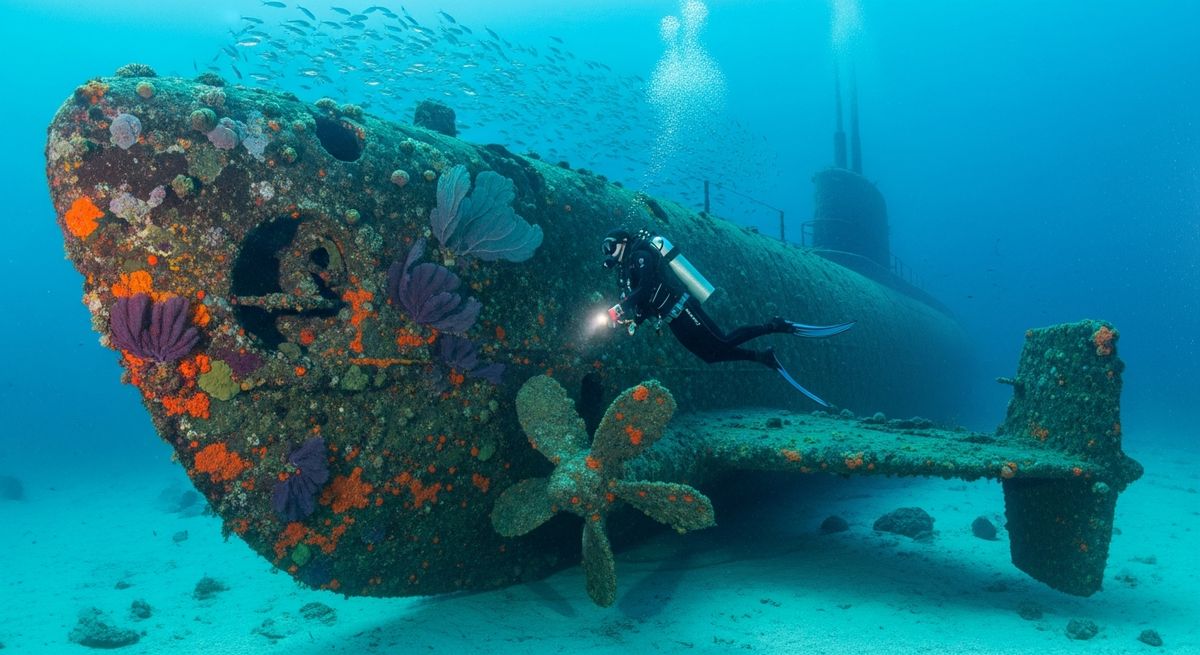
Portaferry is an honest Scottish wreck, a classic example of history meeting habitat. We’re talking about the SS Ben Nevis, a steamship that went down in 1905, now sitting shallow at just two metres. You'll find her mostly broken up, but the bones are still there – the boiler is the big draw, a hulking metal cylinder that now acts as a miniature apartment block for critters. It’s an easy dive, often done from shore, perfect for a relaxed afternoon jaunt or even a snorkel if the conditions are good. What we really love about Portaferry isn't just the history, it’s how marine life has utterly taken over. Look close and you'll spot crabs scuttling in the nooks, blennies peeking from crevices, and sometimes, if you're lucky, a curious seal might swing by for a look. The steel plates are draped in kelp and anemones, shifting gently with the surge. Visibility can be a bit hit or miss – it’s Scotland, after all – but even on a greener day, the wreck’s shape is clear. It’s a site that suits anyone keen on a bit of history without the depth, offering plenty to poke around and photograph in its surprisingly vibrant shallow waters.
Typical PORTAFERRY Dive Profile
Illustrative profile based on site depth and type. Actual dive profiles vary - always follow your dive computer and training.
Safety Notes
Wreck site - avoid penetration without wreck diving certification. Watch for sharp metal and entanglement hazards.
Reviews for PORTAFERRY
Conditions
Ocean conditions, forecast and tides for PORTAFERRY
Plan & book
Ways to dive Scottish West Coast, from day trips to liveaboards.
Day trips & courses
via GetYourGuideGuided dives, courses and snorkel trips with instant booking.
Find dive trips in Scottish West CoastPlaces to stay
via Booking.comHotels and dive resorts near Scottish West Coast.
Search stays in Scottish West CoastDive insurance
Most travel insurance excludes or limits scuba. Check what you need before you go.
Dive insurance explainedPartner links: we may earn a commission if you book, at no extra cost to you. How we make money
Where to Stay near PORTAFERRY
Prices from Booking.com. We may earn a commission at no extra cost to you.