Wreck of Gracehill
Protected Area
Sanda Islands
Why dive here
With 112+ marine species recorded in the area - including blue whales, dolphins, dwarf minke whales, humpback whales and ocean sunfish (mola mola) - Wreck of Gracehill offers some of Scottish West Coast's richest wreck diving.
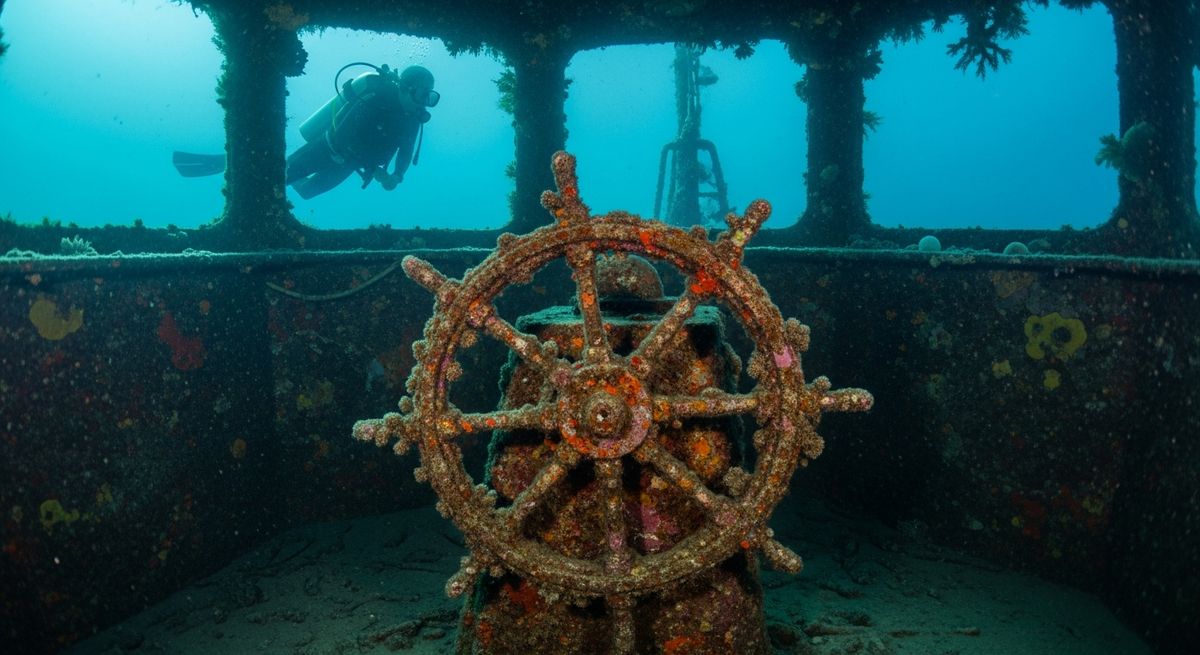
The Gracehill wreck isn't about tropical colours, it’s about atmosphere and history, a proper Scottish dive. She’s a trawler, sank in 1964, lying pretty intact on a sandy seabed. We love picking our way through her superstructure, imagining the crew on deck, even seeing the steering gear still in place. You'll often find a resident wolf fish tucked into a shadowy corner, and conger eels are everywhere, peeking out from pipes and crevices. The visibility can be surprisingly good on a calm day, especially with a bit of sunshine filtering down, painting the wreck in shifting shades of green and blue. It’s a dive for those who appreciate wrecks with a story, for the explorer who likes to feel a sense of discovery, rather than just ticking off big fish. Take your time, bring a good torch, and prepare for a real dive into the past.
Safety Notes
Wreck site - avoid penetration without wreck diving certification. Watch for sharp metal and entanglement hazards.
Reviews for Wreck of Gracehill
Conditions
Ocean conditions, forecast and tides for Wreck of Gracehill
Plan & book
Ways to dive Scottish West Coast, from day trips to liveaboards.
Day trips & courses
via GetYourGuideGuided dives, courses and snorkel trips with instant booking.
Find dive trips in Scottish West CoastPlaces to stay
via Booking.comHotels and dive resorts near Scottish West Coast.
Search stays in Scottish West CoastDive insurance
Most travel insurance excludes or limits scuba. Check what you need before you go.
Dive insurance explainedPartner links: we may earn a commission if you book, at no extra cost to you. How we make money
Where to Stay near Wreck of Gracehill
Prices from Booking.com. We may earn a commission at no extra cost to you.