CHRISTMAS SEAL
Protected Area
Musquodoboit Harbour
Why dive here
With 77+ marine species recorded in the area - including blue sharks, dwarf minke whales, humpback whales, ocean sunfish (mola mola) and jellyfish lake - CHRISTMAS SEAL offers some of Nova Scotia's richest wreck diving. Water ranges 1-17°C, warmest August, September, October.
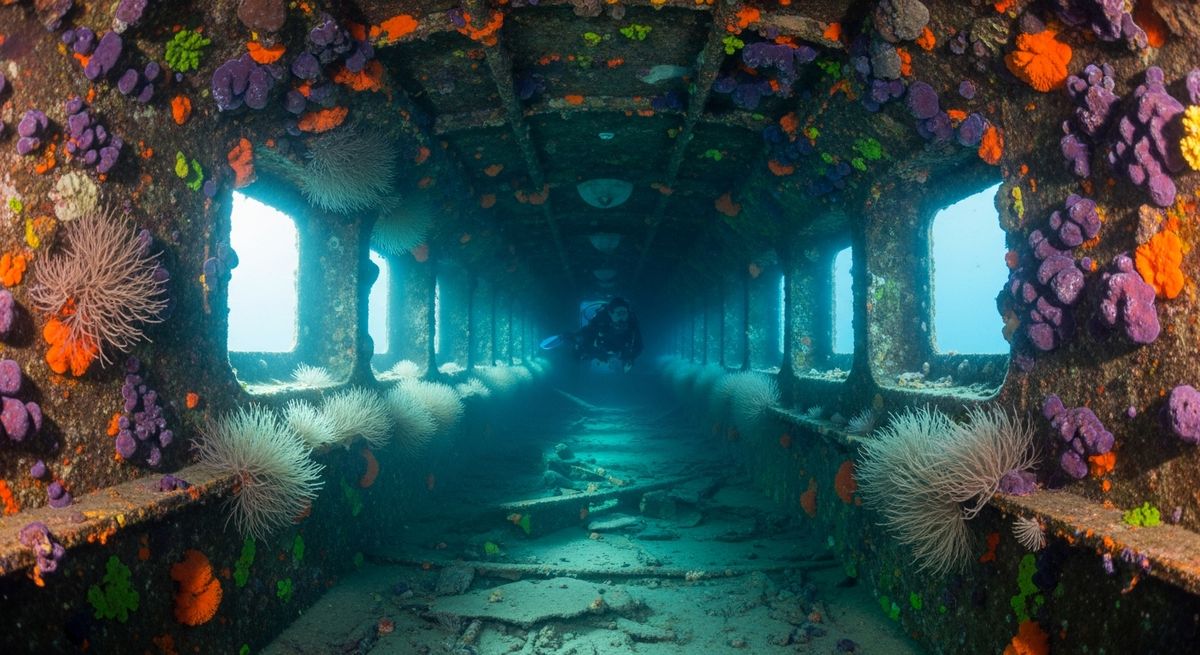
We love a good wreck dive, and the Christmas Seal off Egg Island in Nova Scotia delivers a proper North Atlantic experience. This research vessel went down in 1976 after an engine room fire, and she now rests upright at 50 metres. The depth makes it a technical dive, but for those with the training, it’s a fantastically preserved site. Drop down and you’ll find the wreck largely intact, with the wheelhouse still recognisable. We always appreciate a wreck you can actually identify underwater. Look for the research equipment still lashed to the deck – it really tells the story of her working life. The cold water here means things stay pretty much as they were, without the rapid decay you see in warmer seas. It’s dark down there, so good lights are essential, not just for penetration but to truly appreciate the scale and the details. Marine life has made itself at home, as you’d expect. You’ll spot the usual suspects like Atlantic cod, often hovering in the shadows, and we’ve seen some decent-sized wolf eels tucked into compartments. Visibility can vary, but on a good day, you get a real sense of the ship’s structure. We’d suggest diving this one in late summer or early autumn for the best chance of settled weather and clearer water. It’s a serious dive, but for experienced wreck enthusiasts, the Christmas Seal is a rewarding trip back in time.
Typical CHRISTMAS SEAL Dive Profile
Illustrative profile based on site depth and type. Actual dive profiles vary - always follow your dive computer and training.
Safety Notes
Maximum depth 50m exceeds recreational limits (40m). Technical diving certification and equipment required.
Wreck site - avoid penetration without wreck diving certification. Watch for sharp metal and entanglement hazards.
Cold water this month (avg 15°C). Drysuit or thick wetsuit (7mm+) recommended.
Always perform a 3-minute safety stop at 5m before surfacing.
Reviews for CHRISTMAS SEAL
Conditions
Ocean conditions, forecast and tides for CHRISTMAS SEAL
CHRISTMAS SEAL Ocean Conditions
Monthly averages for CHRISTMAS SEAL, sourced from Open-Meteo marine data + Copernicus Marine (EU) - nearest station: Open-Meteo marine grid (44.6, -63.5) (0km away)
October Averages
Sea Temperature
15°C
58°F · Range: 8.7–17.2°C
Current Speed
1 cm/s
Direction: N (0°)
Salinity
30.56 PSU
Based on 4 years of monitoring data · Data sources: Open-Meteo marine data + Copernicus Marine (EU)
Plan & book
Ways to dive Nova Scotia, from day trips to liveaboards.
Day trips & courses
via GetYourGuideGuided dives, courses and snorkel trips with instant booking.
Find dive trips in Nova ScotiaPlaces to stay
via Booking.comHotels and dive resorts near Nova Scotia.
Search stays in Nova ScotiaDive insurance
Most travel insurance excludes or limits scuba. Check what you need before you go.
Dive insurance explainedPartner links: we may earn a commission if you book, at no extra cost to you. How we make money
Where to Stay near CHRISTMAS SEAL
Prices from Booking.com. We may earn a commission at no extra cost to you.