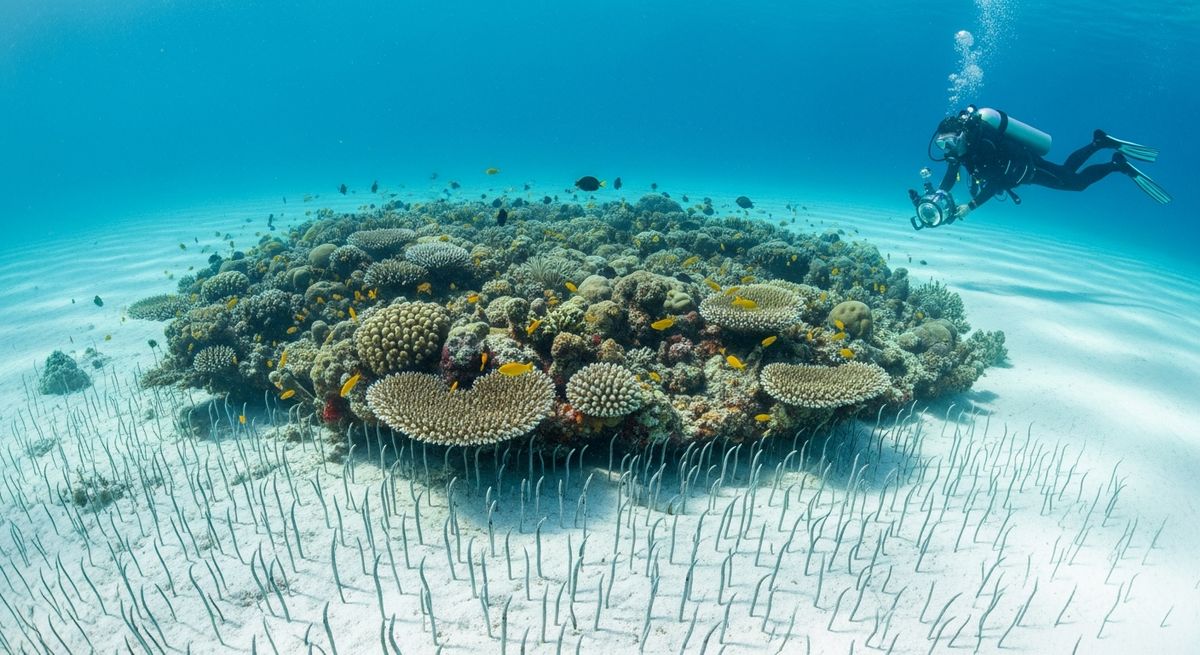
Sand Reef
Protected Area
Cape Jourimain National Wildlife Area
Why dive here
With 77+ marine species recorded in the area - including blue sharks, dwarf minke whales, humpback whales, ocean sunfish (mola mola) and jellyfish lake - Sand Reef offers some of Nova Scotia's richest reef diving. Water ranges 1-17°C, warmest August, September, October.
Diving Sand Reef in Nova Scotia means embracing a different kind of beauty, a cool water experience that’s uniquely Canadian. You’re not here for tropical colours, but for the rugged charm of the North Atlantic. We often find American lobsters here, scuttling amongst the rocks and the soft corals that thrive in these chillier waters. Keep an eye out for the yellowtail flounder hugging the sandy patches, and the subtle movements of Atlantic cod in deeper sections. It’s a good spot for divers who appreciate the quieter side of marine life, a calm exploration of a robust ecosystem.
Safety Notes
Cold water this month (avg 15°C). Drysuit or thick wetsuit (7mm+) recommended.
Reviews for Sand Reef
Conditions
Ocean conditions, forecast and tides for Sand Reef
Sand Reef Ocean Conditions
Monthly averages for Sand Reef, sourced from Open-Meteo marine data + Copernicus Marine (EU) - nearest station: Open-Meteo marine grid (44.6, -63.5) (0km away)
October Averages
Sea Temperature
15°C
58°F · Range: 8.7–17.2°C
Current Speed
1 cm/s
Direction: N (0°)
Salinity
30.56 PSU
Based on 4 years of monitoring data · Data sources: Open-Meteo marine data + Copernicus Marine (EU)
Plan & book
Ways to dive Nova Scotia, from day trips to liveaboards.
Day trips & courses
via GetYourGuideGuided dives, courses and snorkel trips with instant booking.
Find dive trips in Nova ScotiaPlaces to stay
via Booking.comHotels and dive resorts near Nova Scotia.
Search stays in Nova ScotiaDive insurance
Most travel insurance excludes or limits scuba. Check what you need before you go.
Dive insurance explainedPartner links: we may earn a commission if you book, at no extra cost to you. How we make money
Where to Stay near Sand Reef
Prices from Booking.com. We may earn a commission at no extra cost to you.