Western Reef
Protected Area
Scallop Buffer Zone (SFA 24)
Why dive here
With 77+ marine species recorded in the area - including blue sharks, dwarf minke whales, humpback whales, ocean sunfish (mola mola) and jellyfish lake - Western Reef offers some of Nova Scotia's richest reef diving. Water ranges 1-17°C, warmest August, September, October.
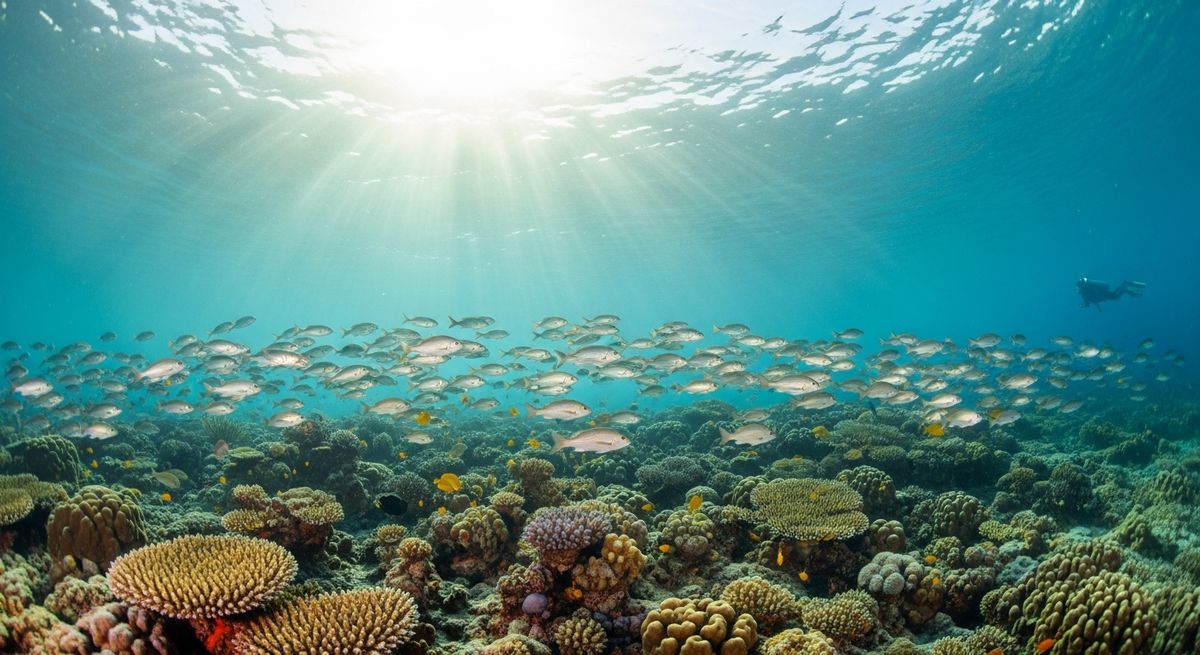
Western Reef. Just saying the name brings a chill, in the best possible way. This isn't your average tropical jaunt, and that’s precisely why we love it. Think cold water, rugged beauty, and some truly unexpected encounters. We’re talking about a genuine Atlantic experience here, where the light filtering through the kelp forests creates an almost mystical green glow. Dropping into the Western Reef, you’ll immediately feel the difference. The currents can be playful, so good buoyancy is key, but the reward is worth the effort. Our favourite moments here are spent drifting along the reef edge, keeping an eye out for the big stuff. We've seen porbeagles glide past like submarines, and the sheer size of the halibut lurking in the sand can be startling. Keep an eye on the surface, too, because gannets and cormorants are often diving. It’s a site that rewards patience and a keen eye. If you're someone who appreciates the raw, untamed side of diving and gets a thrill from seeing creatures like the rare starry ray in their natural, chilly habitat, this spot is for you. Dive with a local operator; they’ll know the currents and the best entry points, which can make all the difference.
Safety Notes
Cold water this month (avg 15°C). Drysuit or thick wetsuit (7mm+) recommended.
Reviews for Western Reef
Conditions
Ocean conditions, forecast and tides for Western Reef
Western Reef Ocean Conditions
Monthly averages for Western Reef, sourced from Open-Meteo marine data + Copernicus Marine (EU) - nearest station: Open-Meteo marine grid (44.6, -63.5) (0km away)
October Averages
Sea Temperature
15°C
58°F · Range: 8.7–17.2°C
Current Speed
1 cm/s
Direction: N (0°)
Salinity
30.56 PSU
Based on 4 years of monitoring data · Data sources: Open-Meteo marine data + Copernicus Marine (EU)
Plan & book
Ways to dive Nova Scotia, from day trips to liveaboards.
Day trips & courses
via GetYourGuideGuided dives, courses and snorkel trips with instant booking.
Find dive trips in Nova ScotiaPlaces to stay
via Booking.comHotels and dive resorts near Nova Scotia.
Search stays in Nova ScotiaDive insurance
Most travel insurance excludes or limits scuba. Check what you need before you go.
Dive insurance explainedPartner links: we may earn a commission if you book, at no extra cost to you. How we make money
Where to Stay near Western Reef
Prices from Booking.com. We may earn a commission at no extra cost to you.