Cabo Pulmo - Sea of Cortez

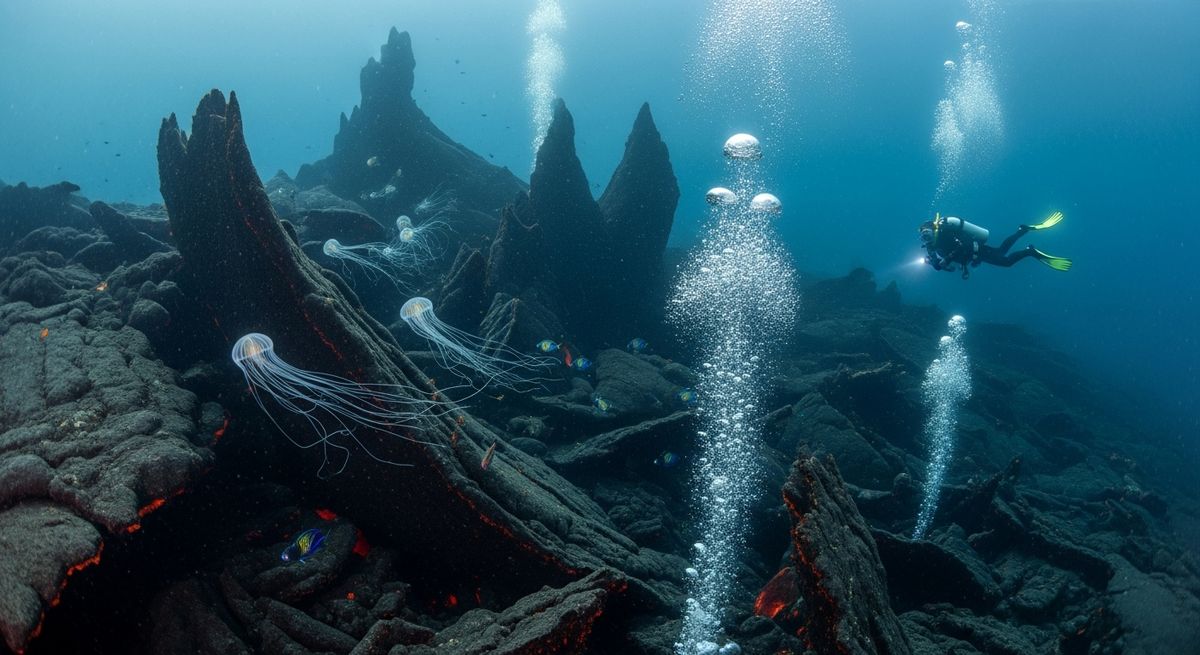
Cabo Pulmo, once a quiet fishing village, now stands as a testament to effective conservation. This national marine park in the Sea of Cortez, protected since 1995, offers a compelling look at a revitalized ecosystem. We've seen dense schools of jacks and fusiliers here, often swirling into those mesmerizing bait balls. Look out for bull sharks patrolling the deeper edges of the reef or turtles gracefully navigating the coral. It's a fantastic spot for divers keen on seeing marine life thrive, and a good reminder of what protection can achieve.

Location
Sea of Cortez, Mexico, North America
Coordinates
23.400000, -109.433300

Marine Protected Area: Cabo Pulmo

Best Time to Dive in Sea of Cortez

The warmest water temperatures in Sea of Cortez occur in September, averaging 30.4°C. The coolest conditions are in February at 21.1°C.

Monthly Water Temperatures

  • January: 22.2°C
  • February: 21.1°C
  • March: 21.5°C
  • April: 22.6°C
  • May: 24.8°C
  • June: 27.1°C
  • July: 29.1°C
  • August: 30.1°C
  • September: 30.4°C
  • October: 29.8°C
  • November: 27.6°C
  • December: 25.1°C

Nearby Dive Sites in Sea of Cortez

Nearest Dive Centres to Cabo Pulmo

Marine Life in Sea of Cortez

Home to 197 recorded species including 172 reef fish, 14 whales & dolphins, 5 sharks & rays, 3 other, 1 sea cucumbers, 1 seagrass & algae.

Notable Species

Recommended Packing List for Cabo Pulmo

Based on average water temperature of 26.0°C, currents 9 cm/s.

  • Shorty or Rashguard - warm 26°C water needs minimal exposure protection
  • Mask - essential for every dive
  • Fins
  • BCD - buoyancy compensator
  • Regulator - your most safety-critical piece of gear
  • Dive Computer - tracks depth, time, and NDL
  • Surface Marker Buoy (SMB) - essential for boat pickups
  • Dive Torch - useful for crevices and colour at depth
  • Underwater Camera - capture your diving memories

Frequently Asked Questions

What are the typical dive depths in Cabo Pulmo?
Based on the provided information, the typical dive depths for Cabo Pulmo are not specified. The data indicates the depth is currently unknown. For precise depth information, it is always best to consult with local dive operators.
What kind of marine life can divers expect to see in Cabo Pulmo?
While specific species are not detailed in the provided data, Cabo Pulmo is renowned for its thriving marine ecosystem. Protected as a no-fishing area since 1995, the marine life has significantly prospered, serving as living evidence of successful conservation. For more general information on marine life, you can explore our wildlife database.
Is Cabo Pulmo suitable for beginner divers, or is it more for experienced divers?
Cabo Pulmo is classified as an intermediate difficulty dive site. This means it is generally more suitable for divers who have some experience beyond their initial certification. Beginners may find the conditions challenging, and it is recommended for those with a moderate level of diving proficiency.
What is the best time of year to dive in Cabo Pulmo for optimal conditions and marine life sightings?
The provided data does not specify the best time of year to dive in Cabo Pulmo for optimal conditions or marine life sightings. Seasonal information regarding water temperatures, visibility, or specific animal migrations is not available in this context. For general guidance on dive seasons, please refer to our When to Dive resource.
What dive certifications are required to dive in Cabo Pulmo?
The provided information does not specify the exact dive certifications required to dive in Cabo Pulmo. While the site is rated as intermediate difficulty, specific certification levels are not detailed in the context. We recommend contacting local dive centers in the Sea of Cortez for precise certification requirements.
What are the typical water conditions, currents, and visibility like when diving in Cabo Pulmo?
The provided data does not include specific details regarding the typical water conditions, currents, or visibility for diving in Cabo Pulmo. While it is known as a vibrant reef dive, information on these environmental factors is not available in the current context. Divers should consult local dive operators for up-to-date reports on conditions.