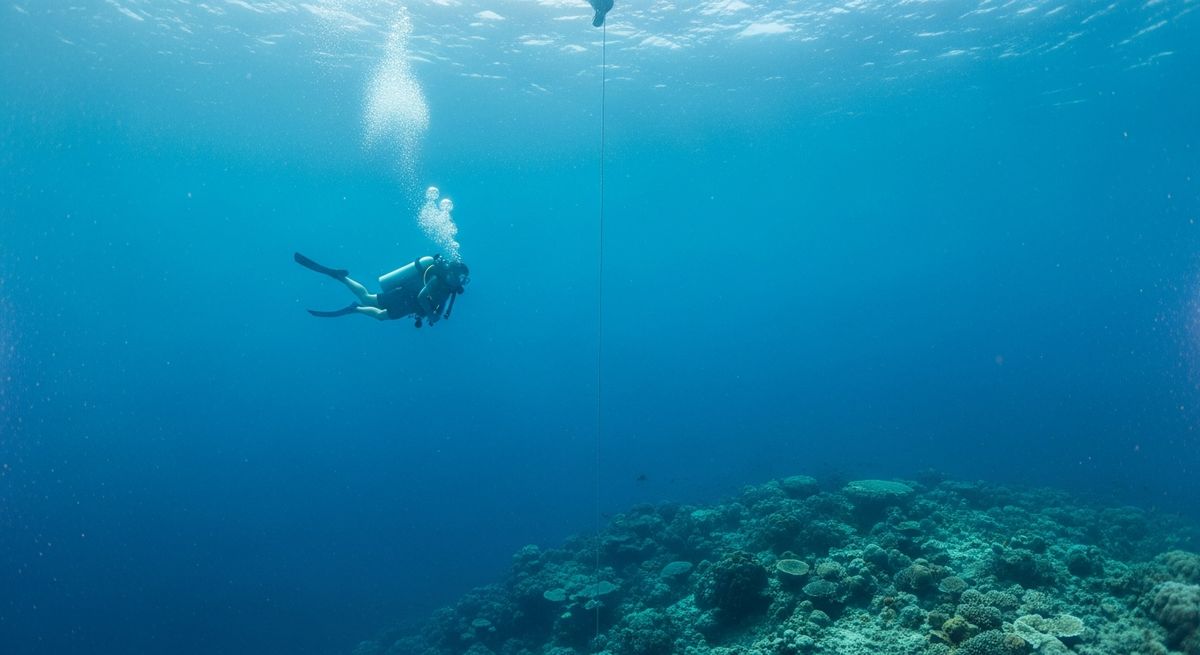
Seven Brothers Islands - Gulf of Tadjoura

The Seven Brothers Islands, or Sawabi as the locals call them, are a different beast entirely from their Egyptian namesakes. Here in the Bab el Mandab Strait, we find a raw, volcanic landscape plunging into the southern Red Sea. You’re often diving channels and rocky plateaus, where the twice-daily tidal shifts really get things moving. Those currents, while sometimes reducing visibility, act like a conveyor belt for nutrients, bringing in big pelagics and keeping the coral healthy on the walls. It's a place for divers who appreciate dramatic topography and don't mind a bit of a workout, with a good chance of seeing larger species passing through.

Location
Gulf of Tadjoura, Djibouti, Red Sea & Middle East
Coordinates
12.483300, 43.350000

Marine Protected Area: Iles des Sept Freres ainsi que Ras Syan, Khor Angar et la foret de Godoria

Best Time to Dive in Gulf of Tadjoura

The warmest water temperatures in Gulf of Tadjoura occur in January, averaging 26.9°C. The coolest conditions are in December at 26.9°C.

Monthly Water Temperatures

  • January: 26.9°C (air: 24.8°C)
  • February: 26.9°C (air: 25.3°C)
  • March: 26.9°C (air: 26.9°C)
  • April: 26.9°C (air: 28.9°C)
  • May: 26.9°C (air: 32.5°C)
  • June: 26.9°C (air: 35.7°C)
  • July: 26.9°C (air: 36.4°C)
  • August: 26.9°C (air: 34.9°C)
  • September: 26.9°C (air: 34.5°C)
  • October: 26.9°C (air: 30.2°C)
  • November: 26.9°C (air: 27.2°C)
  • December: 26.9°C (air: 25.5°C)

Nearby Dive Sites in Gulf of Tadjoura

Marine Life in Gulf of Tadjoura

Home to 205 recorded species including 95 hard corals, 75 reef fish, 8 sharks & rays, 6 crabs & lobsters, 5 sea cucumbers, 4 sea snails & nudibranchs.

Notable Species

Recommended Packing List for Seven Brothers Islands

Based on average water temperature of 26.9°C.

  • Shorty or Rashguard - warm 27°C water needs minimal exposure protection
  • Mask - essential for every dive
  • Fins
  • BCD - buoyancy compensator
  • Regulator - your most safety-critical piece of gear
  • Dive Computer - tracks depth, time, and NDL
  • Surface Marker Buoy (SMB) - essential for boat pickups
  • Dive Torch - useful for crevices and colour at depth
  • Underwater Camera - capture your diving memories

Frequently Asked Questions

What are the typical diving depths at the Seven Brothers Islands dive sites?
While the Seven Brothers Islands are known for remarkable deep diving spots, specific typical diving depths are not provided in our current data. Divers can expect to explore a range of depths given the varied underwater topography of this volcanic area.
What kind of marine life and underwater features can divers expect to see at the Seven Brothers Islands?
Divers visiting the Seven Brothers Islands can expect to encounter vibrant coral gardens and impressive coral-covered walls. The strong tidal shifts in the area foster a rich marine life, making for exciting encounters on the reefs and rocky plateaus. This marine biodiversity is a highlight of the dive site.
How difficult is diving at the Seven Brothers Islands, and what level of experience is recommended?
Diving at the Seven Brothers Islands is rated as intermediate difficulty. This suggests that divers should have some prior experience and comfort with varying conditions, including currents. It's an ideal destination for those looking to advance their diving skills in a challenging yet rewarding environment.
What is the best time of year to dive the Seven Brothers Islands, especially for specific marine encounters like whale sharks?
Our current data context does not specify the best time of year to dive the Seven Brothers Islands, nor does it mention specific marine encounters like whale sharks. For seasonal information and potential wildlife encounters, please check our when to dive section or local dive operators.
What dive certifications are typically required or recommended for diving at the Seven Brothers Islands?
The provided data context does not specify typical dive certifications required or recommended for diving at the Seven Brothers Islands. Given the intermediate difficulty and potential for deep diving spots and strong currents, an Advanced Open Water certification or equivalent is often beneficial for such sites. It's always best to consult with your dive operator regarding specific requirements.
What are the typical current conditions and visibility like when diving the Seven Brothers Islands?
Divers at the Seven Brothers Islands can expect strong currents due to the twice-daily tidal shifts. These conditions also typically lead to reduced visibility in the area. However, these currents are crucial for delivering vast amounts of water across the reefs and rocky plateaus, fostering the area's rich marine life.