Las Trinias
Protected Area
Los Corales del Rosario y de San Bernardo
Why dive here
With 517+ marine species recorded in the area - including barracuda, blue sharks, dolphins, eagle rays and hammerhead sharks - Las Trinias offers some of Santa Marta & Tayrona's richest reef diving. Water ranges 28-30°C, warmest June, July, September.
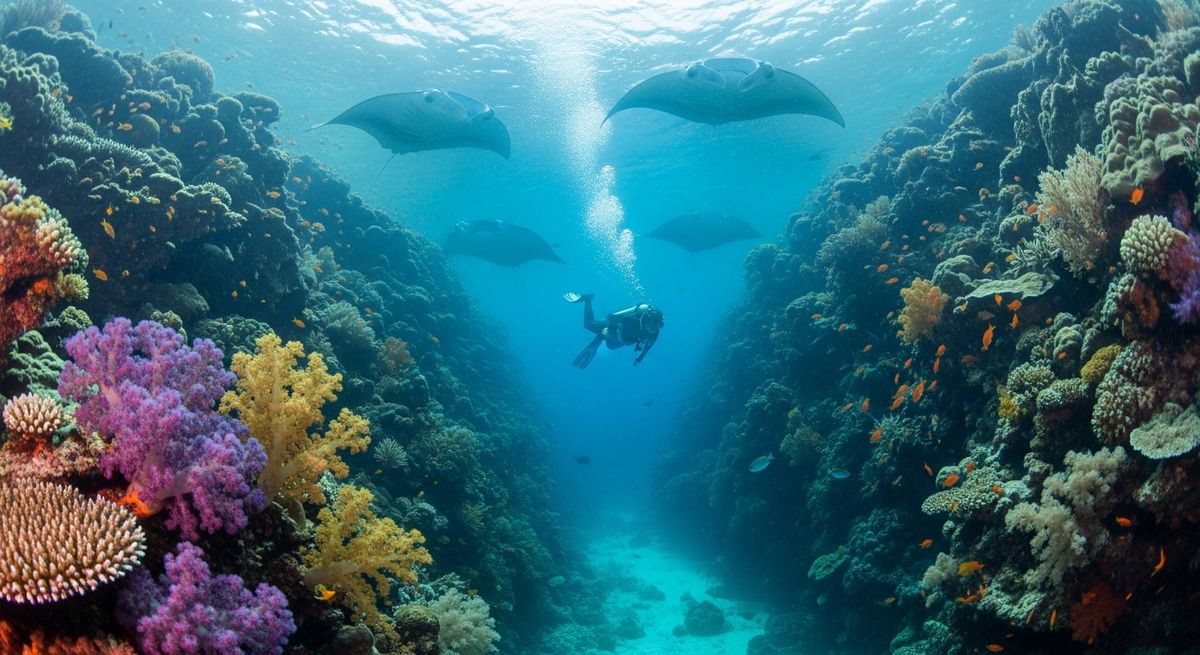
Las Trinias, for us, is one of the real treats in Tayrona. It feels a bit like diving a secret spot, especially since it’s mostly visited by one or two operators. We love that feeling of having a site almost to ourselves. It’s essentially a submerged mountain with three distinct points, and the coral starts to thicken around 15 meters, then slopes gently down. We’ve found the average visibility to hover around 16 meters, which is decent, but on a good day, it really opens up. Our favorite part has to be the coral itself – particularly the massive starlet coral and the sunray lettuce coral, they’re just striking. Keep an eye out for the hogfish and honeycombed cowfish; they’re often milling around the reef structure. We also consistently see schools of yellowtail parrotfish and Spanish grunt, their colors really pop against the reef. This site is brilliant for divers who appreciate healthy coral formations and a relaxed pace, without too much current to fight against.
Nearest Dive Centres to Las Trinias
Dive shops near Las Trinias
View all dive centres in Santa Marta & TayronaReviews for Las Trinias
Conditions
Ocean conditions, forecast and tides for Las Trinias
Las Trinias Ocean Conditions
Monthly averages for Las Trinias, sourced from Open-Meteo marine data - nearest station: Open-Meteo marine grid (10.13, -75.71) (11km away)
October Averages
Sea Temperature
30°C
86°F · Range: 29.3–31.1°C
Air Temperature
28°C
82°F
Wind Speed
4.83 m/s
9.4 knots
Atmospheric Pressure
1009.9 hPa
Based on 4 years of monitoring data · Data sources: Open-Meteo marine data
Plan & book
Ways to dive Santa Marta & Tayrona, from day trips to liveaboards.
Day trips & courses
via GetYourGuideGuided dives, courses and snorkel trips with instant booking.
Find dive trips in Santa Marta & TayronaPlaces to stay
via Booking.comHotels and dive resorts near Santa Marta & Tayrona.
Search stays in Santa Marta & TayronaDive insurance
Most travel insurance excludes or limits scuba. Check what you need before you go.
Dive insurance explainedPartner links: we may earn a commission if you book, at no extra cost to you. How we make money
Where to Stay near Las Trinias
Prices from Booking.com. We may earn a commission at no extra cost to you.