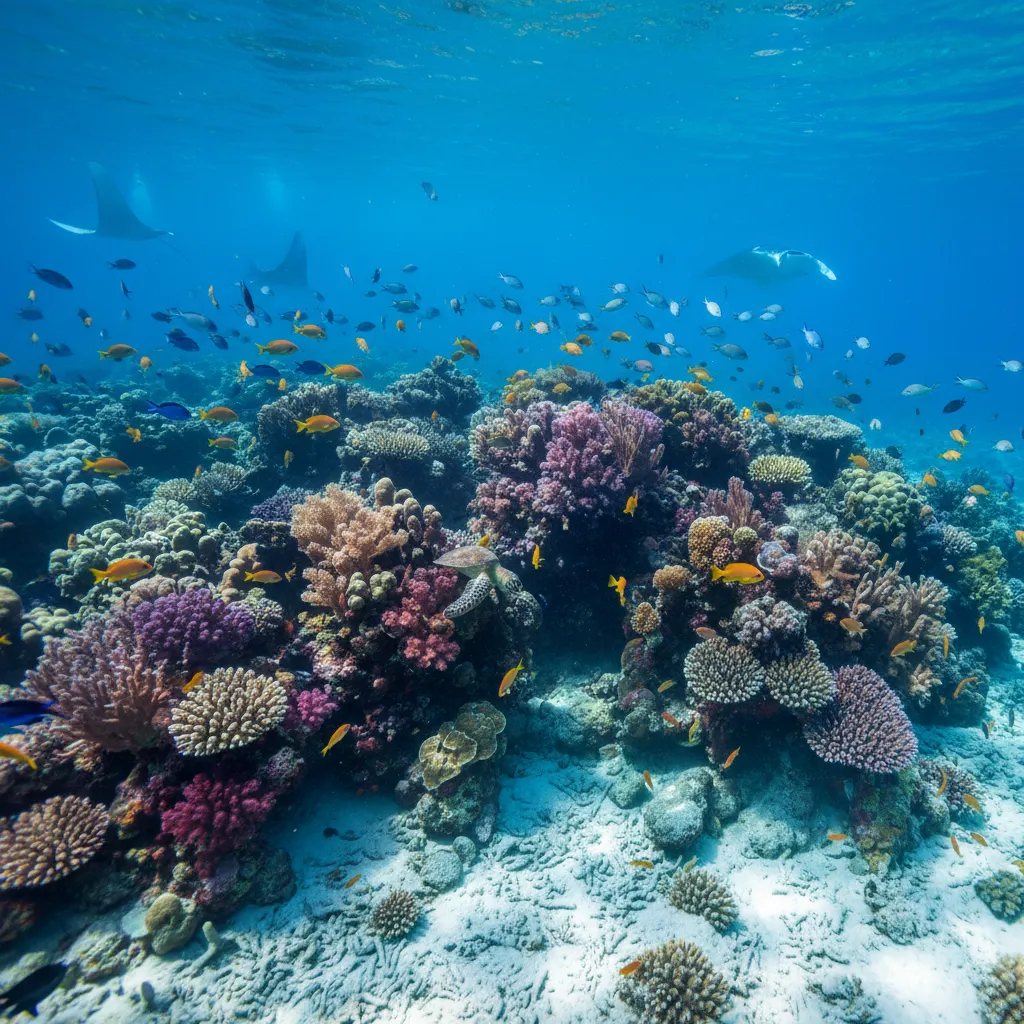
Best Coral Reefs for Scuba Diving
Coral reefs are the rainforests of the ocean - covering less than one percent of the seabed yet supporting more than a quarter of all marine species. The world's best coral reef diving destinations offer kaleidoscopic underwater gardens where hard and soft corals in every shape and colour provide the foundation for an ecosystem of staggering complexity. From the vast scale of the Great Barrier Reef to the unmatched biodiversity of Raja Ampat's Coral Triangle, and from the pristine table corals of the Red Sea to the resilient reefs of Palau, coral reef diving is the heart and soul of scuba diving worldwide.
12 destinations in this collection
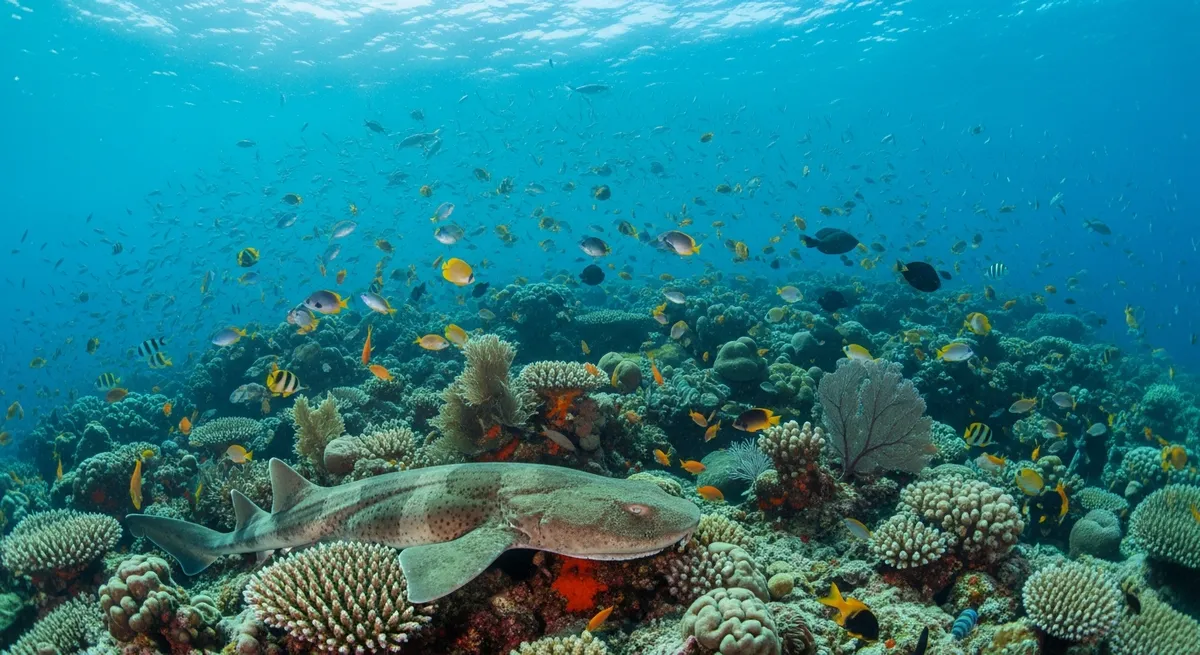

Raja Ampat is the most biodiverse marine environment on the planet. Over 600 hard coral species and 1,700 reef fish species thrive across its four main islands and surrounding reefs. Cape Kri holds the world record for fish species on a single dive. The reefs range from current-swept walls to sheltered lagoons with pristine table corals and vibrant soft coral gardens.
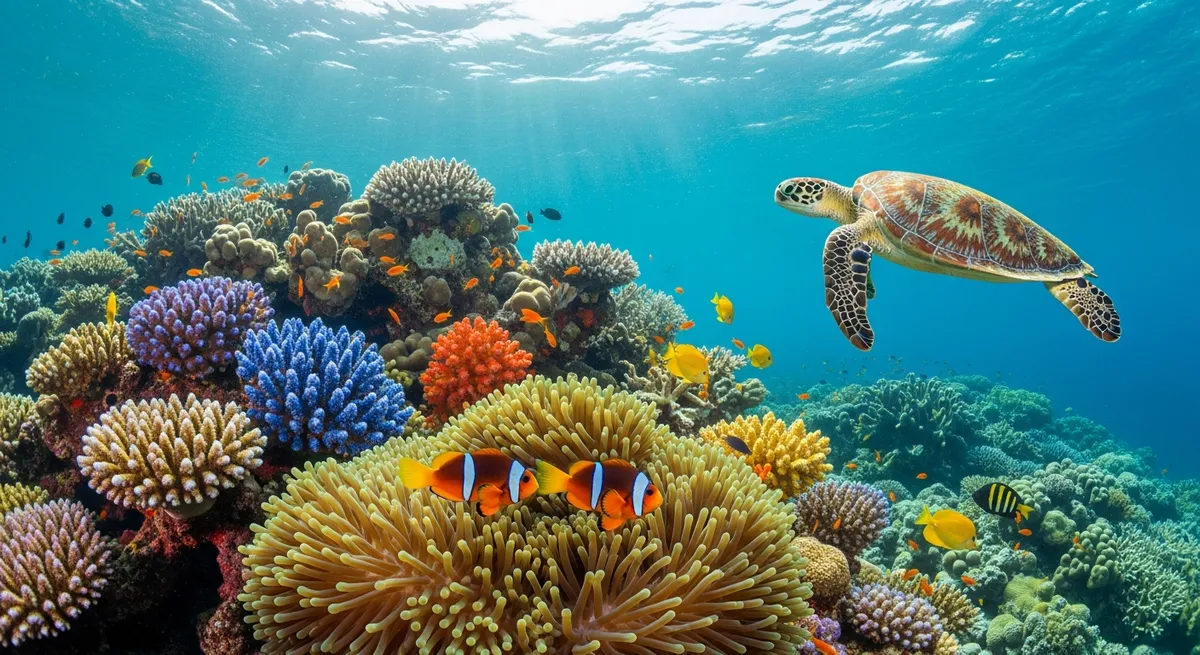

Stretching 2,300 kilometres along Queensland's coast, the Great Barrier Reef is the largest living structure on Earth. Over 2,900 individual reefs host 400 coral species, 1,500 fish species, and six of the world's seven sea turtle species. The outer reef offers pristine hard coral gardens in crystal-clear water, while the Ribbon Reefs deliver encounters with minke whales, reef sharks, and giant potato cod.
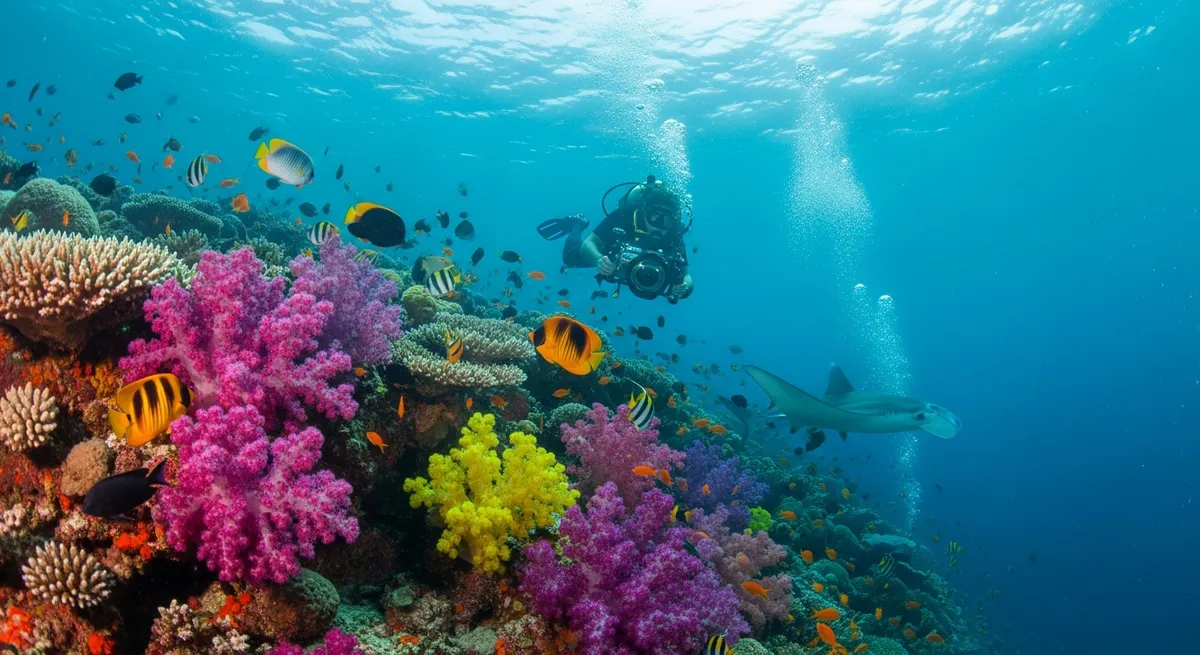
Fiji's Somosomo Strait, between Taveuni and Vanua Levu, is world-renowned as the 'Soft Coral Capital'. Nutrient-rich currents fuel its legendary 'Rainbow Reef', showcasing an unparalleled density and vibrant spectrum of soft corals. This dynamic ecosystem teems with diverse marine life, offering a truly spectacular dive.
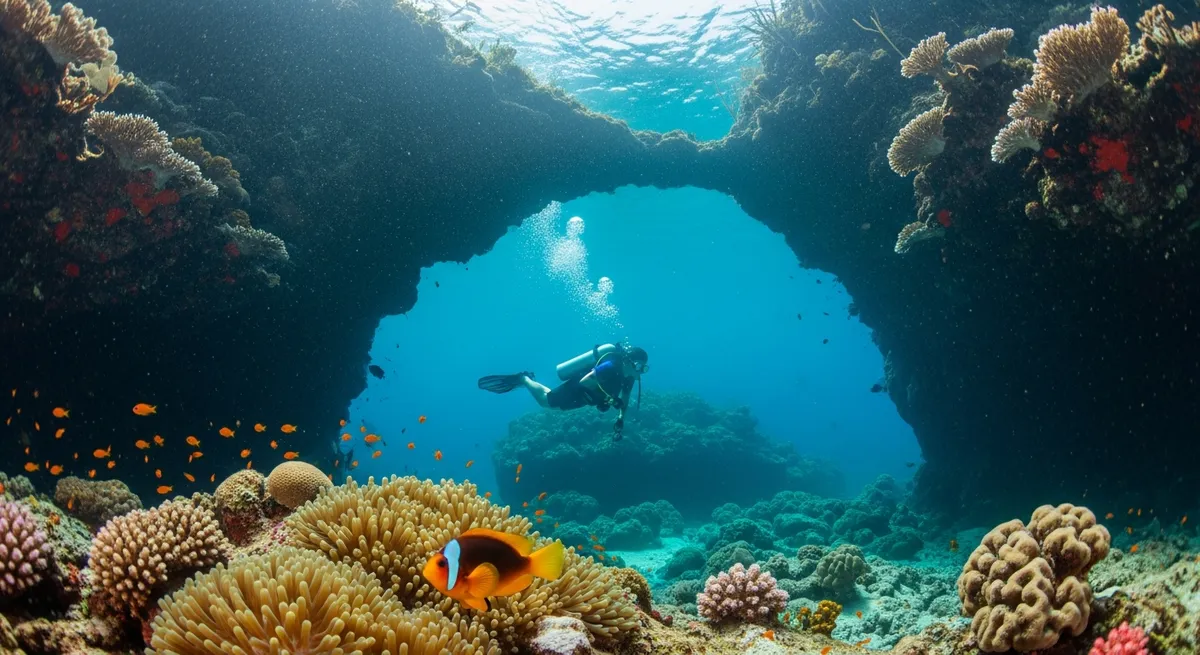

Palawan is a jewel of marine biodiversity, home to some of the world's most pristine and vibrant coral ecosystems. Dive into the UNESCO World Heritage Tubbataha Reefs Natural Park for unparalleled reef health, or explore Coron's famous WWII wrecks now adorned with thriving soft and hard corals, offering unique reef experiences.
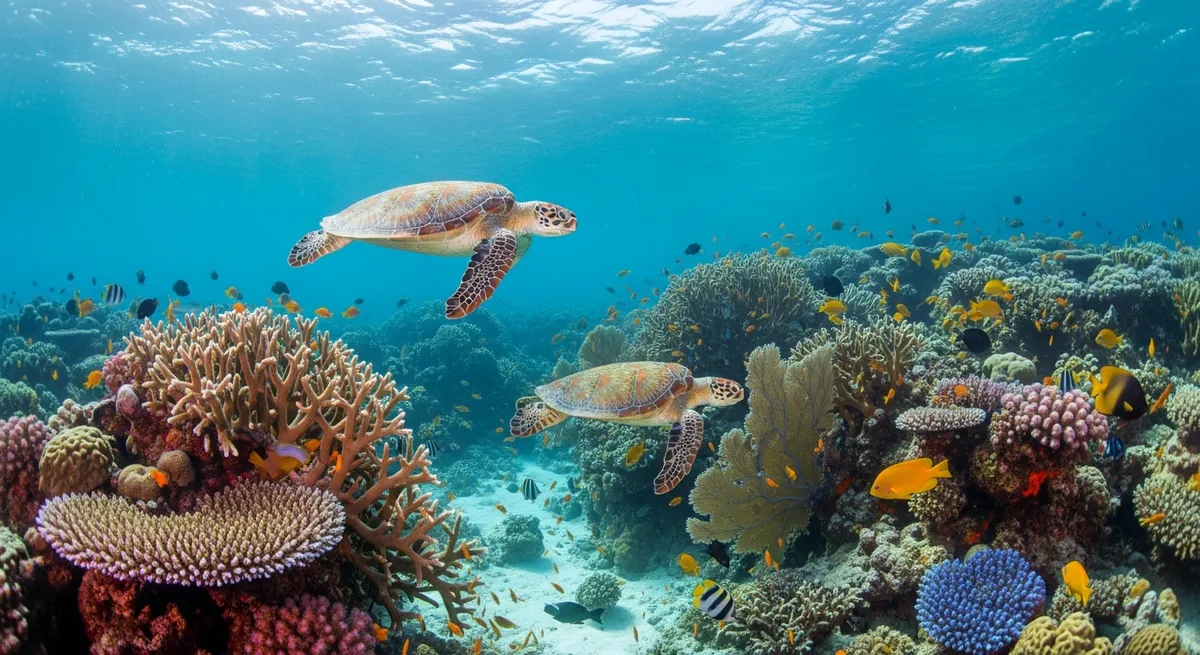

The Florida Keys proudly host the continental U.S.'s only living coral barrier reef, offering spectacular diving. Explore vibrant ecosystems teeming with diverse marine life, healthy coral formations, and iconic sites like Molasses Reef. Its protected, accessible waters ensure incredible visibility and unforgettable underwater experiences.
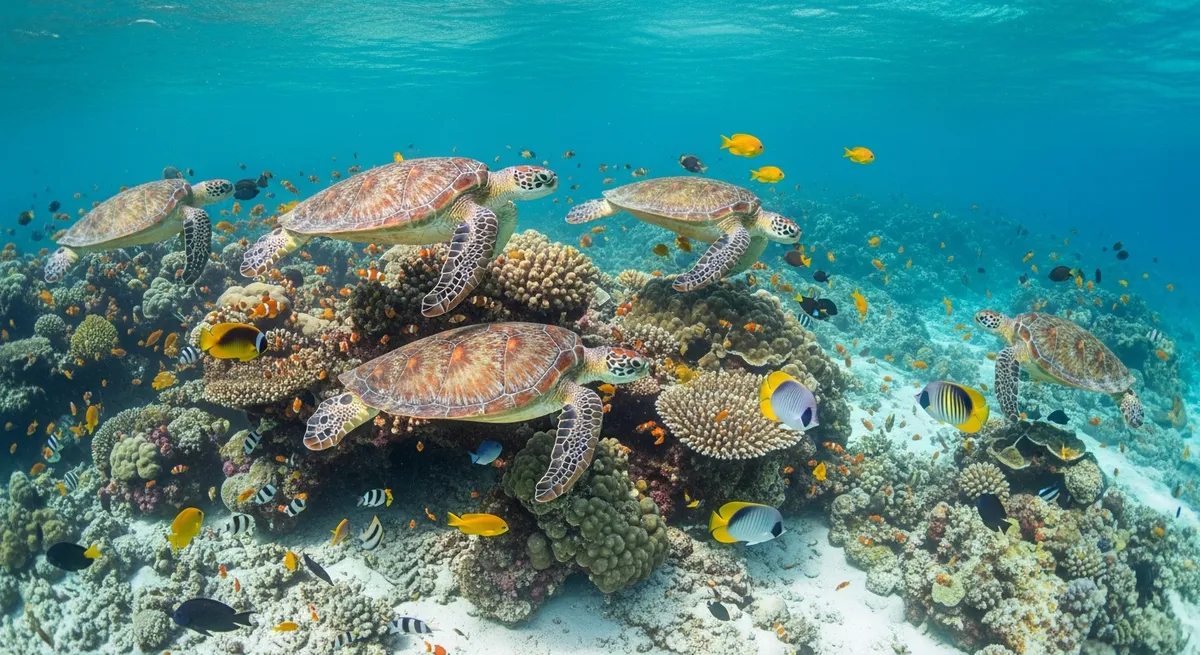
The Gili Islands offer exceptionally healthy and vibrant coral reefs. Divers explore thriving hard and soft coral gardens teeming with diverse marine life, highlighted by frequent green and hawksbill turtle encounters.
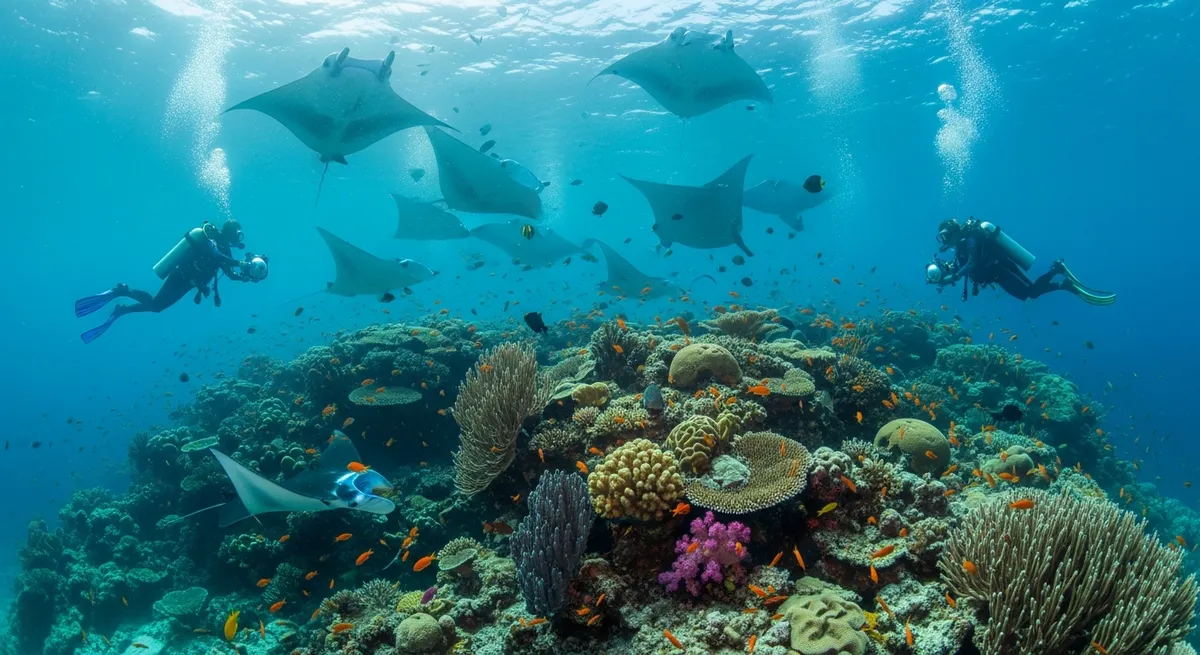
Dive Kadavu's Great Astrolabe Reef, one of the world's largest barrier reefs, renowned for its incredible diversity of untouched hard and soft corals. This remote Fijian gem teems with pelagic life, offering pristine, exhilarating dives that showcase nature's vibrant artistry.
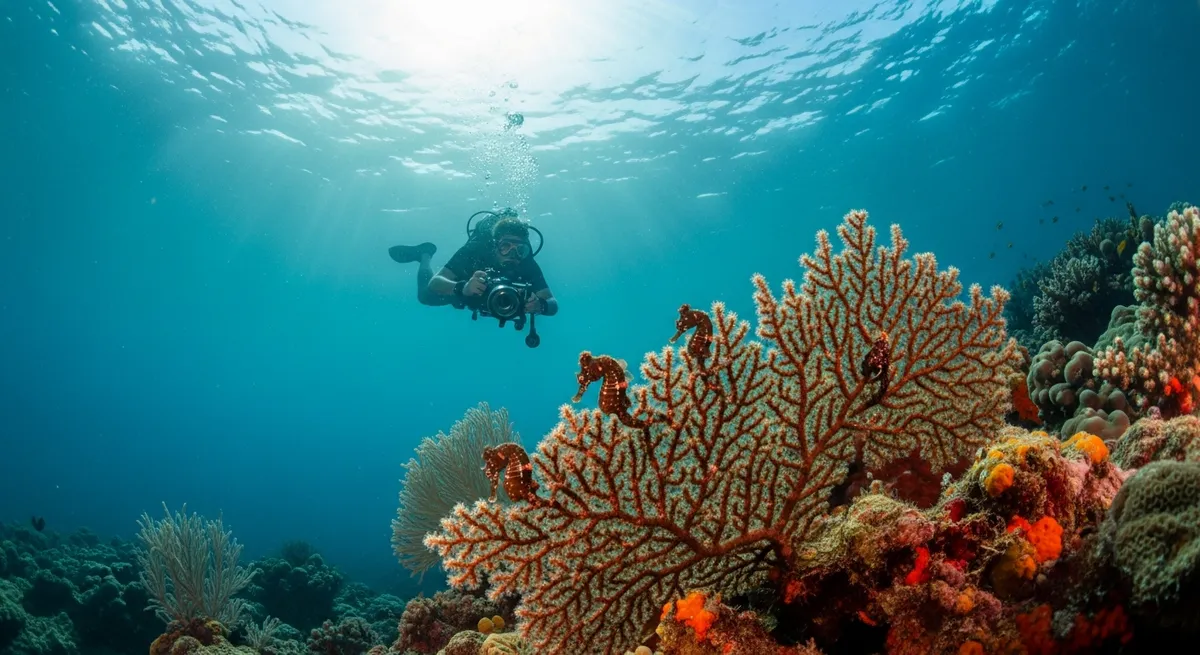
Nestled in the heart of the Coral Triangle, Sulawesi boasts unparalleled coral biodiversity. From Bunaken's dramatic wall dives bursting with vibrant hard and soft corals, to Lembeh Strait's world-renowned macro critter paradise, it's a premier destination for pristine reefs and exceptional marine encounters.
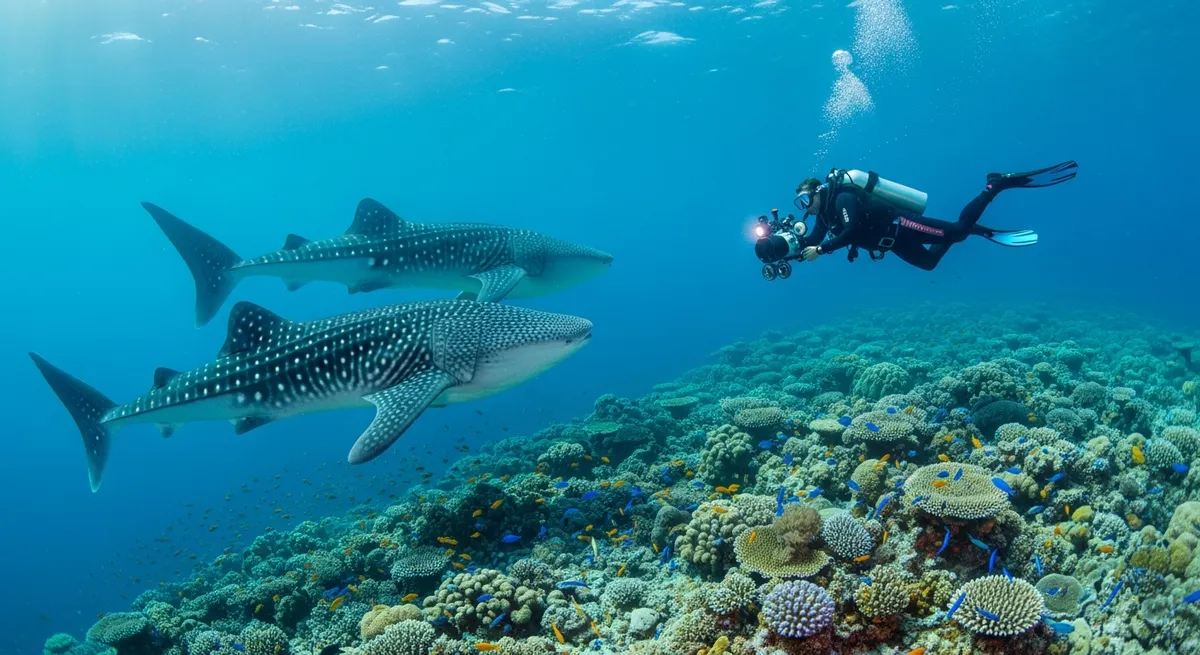
Al Lith & Red Sea Project: Unrivaled Coral Reefs
Saudi Arabia
Dive into Al Lith & The Red Sea Project to discover incredibly vibrant and healthy hard and soft coral gardens. These pristine reefs are teeming with diverse marine life, offering a unique opportunity to experience the Red Sea's untouched beauty, perfect for our collection.
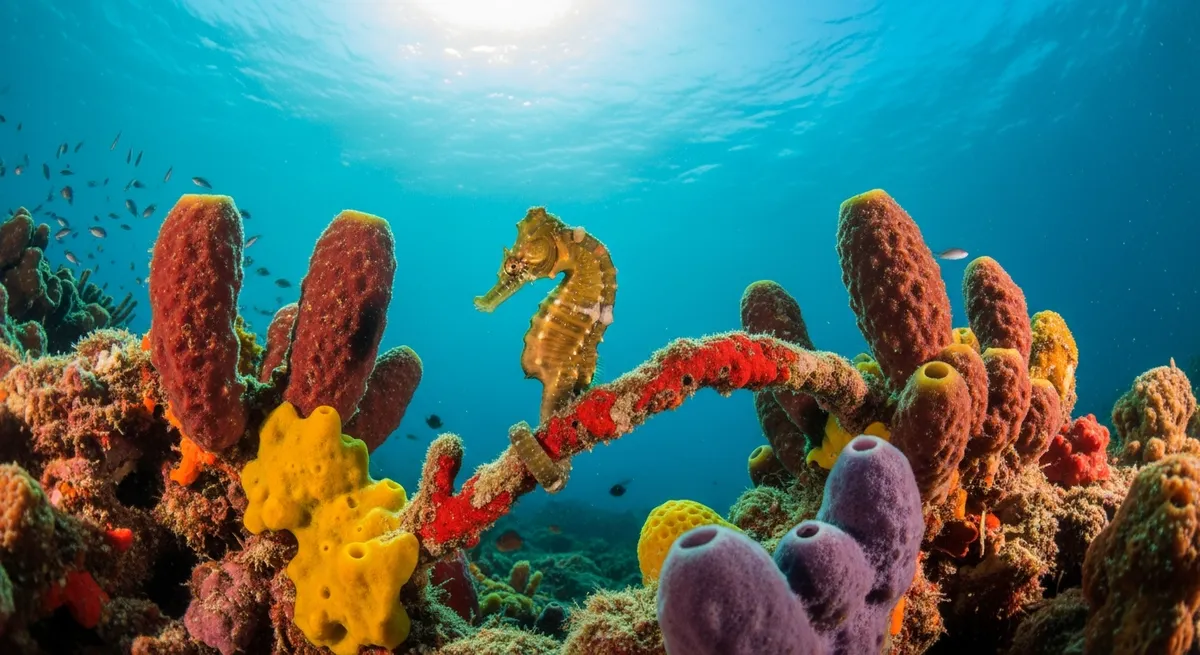

Bonaire, a pioneer in marine park conservation, boasts exceptionally healthy and vibrant fringing coral reefs. Divers enjoy unparalleled ease of access to these pristine sites, many reachable directly from shore, making it perfect for exploring diverse and thriving marine ecosystems. Its robust protection ensures a world-class experience for coral enthusiasts.
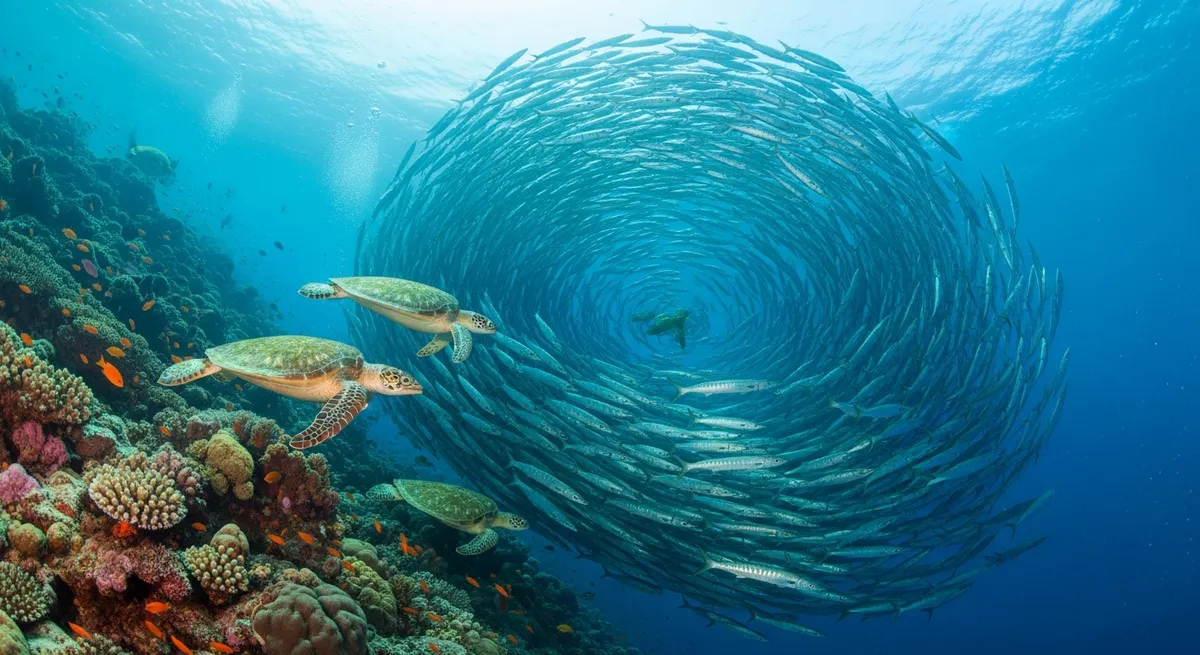

Sipadan features an impressive drop-off wall, richly adorned with healthy, vibrant corals plunging into the deep. Divers are consistently amazed by the vast numbers of green and hawksbill turtles, plus immense schools of barracuda and jacks that frequent these thriving reefs.
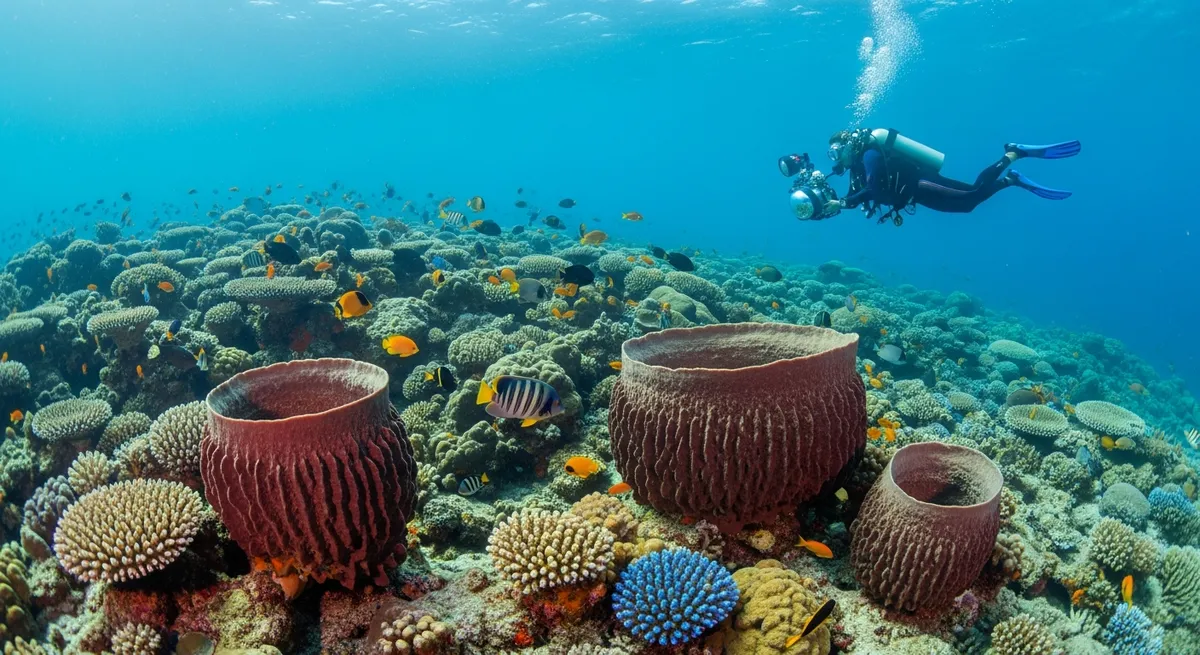

Cozumel's famous drift diving along dramatic walls within the Mesoamerican Barrier Reef offers access to incredibly vibrant coral gardens. Here, divers are immersed in spectacular formations, from towering gorgonians to massive brain corals, showcasing a thriving, healthy reef ecosystem that is truly world-class.
About This Collection
Healthy coral reefs are among the most visually stunning environments on Earth. A thriving reef pulsates with life - anthias clouds swarm above branching staghorn corals, anemonefish guard their hosts, parrotfish crunch coral into sand, and cleaning stations bustle with fish queuing for parasite removal. The structural complexity of a healthy reef creates habitat niches for thousands of species, from the tiniest nudibranch to the largest reef shark.
The Coral Triangle - the region bounded by Indonesia, the Philippines, and Papua New Guinea - is the global epicentre of marine biodiversity and coral reef diversity. Raja Ampat alone hosts over 600 species of hard coral, more than the entire Caribbean. The Great Barrier Reef, while facing climate pressures, remains the world's largest coral reef system spanning 2,300 kilometres with over 2,900 individual reefs.
Coral reef diving rewards slow, observant divers. The more time you spend hovering over a single coral head, the more life reveals itself - a pygmy seahorse clinging to a gorgonian fan, a mantis shrimp peering from a rubble hole, a leaf scorpionfish swaying with the surge. The world's best coral reefs offer infinite discovery on every dive.
Looking for more options? Best Reef Diving Destinations lists all dive sites of this type worldwide.