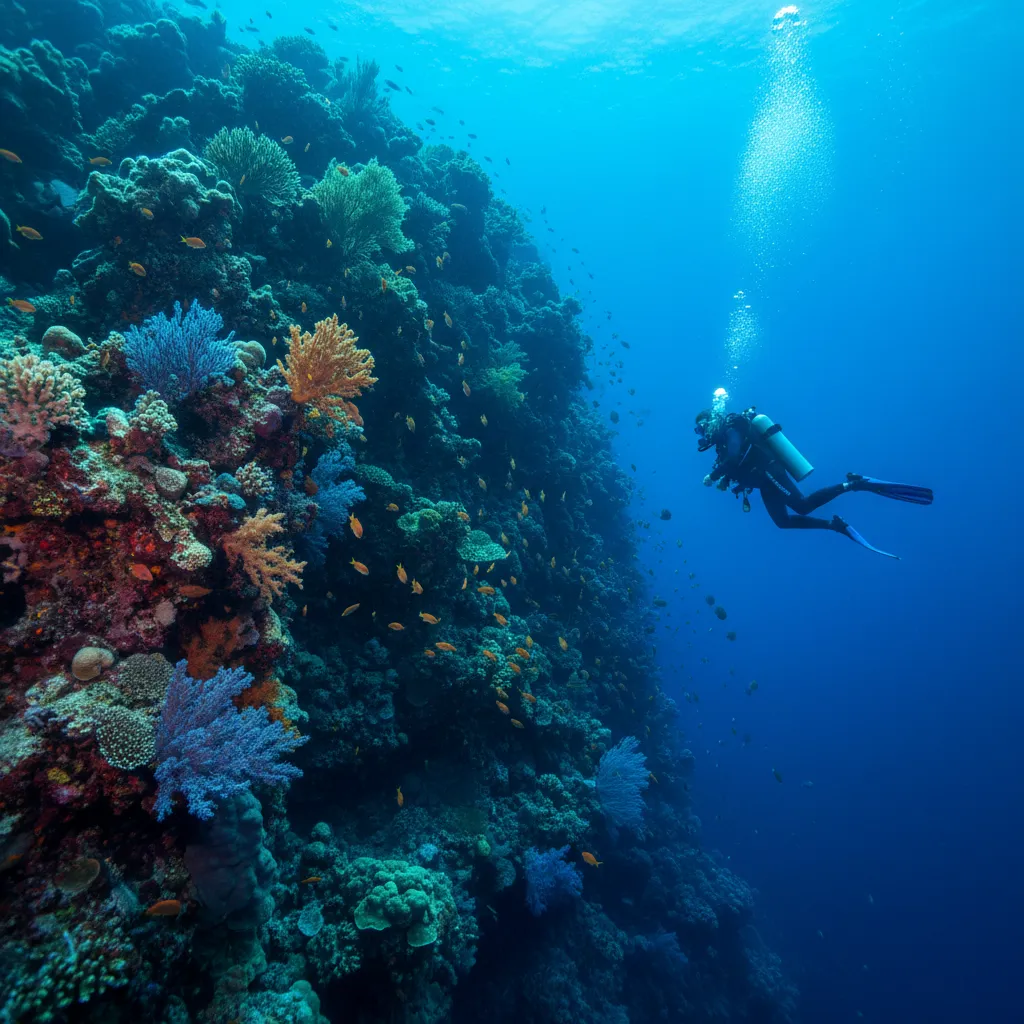
Best Wall Dives for Scuba Diving
Wall diving delivers one of scuba diving's most thrilling sensations - drifting along a vertical reef face that plunges hundreds or even thousands of metres into the abyss below. The world's best wall dives combine dramatic topography with exceptional marine life, offering encounters with pelagic species drawn in from the deep alongside the vibrant corals and sponges that encrust the wall itself. From the vertical drop-offs of Palau and the Cayman Islands to the current-swept walls of Komodo and the pristine coral cliffs of the Red Sea, wall diving rewards divers with a sense of scale and wonder that few other dive types can match.
12 destinations in this collection
Little Cayman - Bloody Bay Wall
Cayman Islands
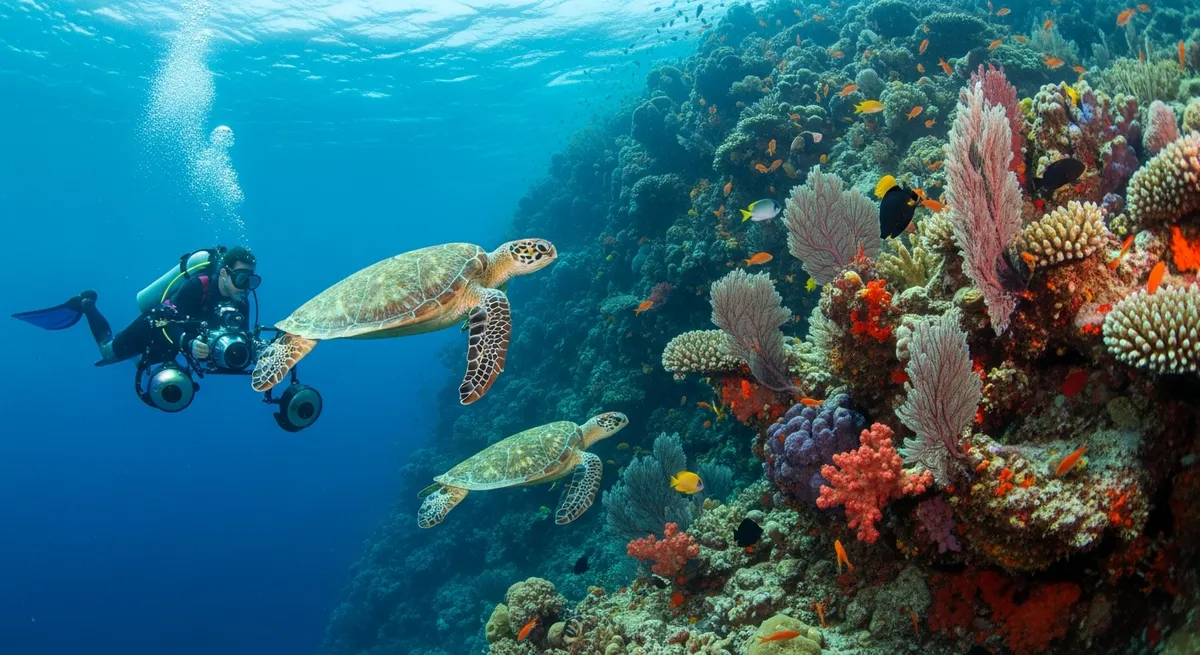
Bloody Bay Wall on Little Cayman is the Caribbean's most famous wall dive. The reef flat sits at just 6 metres before dropping vertically to over 1,800 metres. The wall is encrusted with enormous barrel sponges, sea fans, and black coral, and the clarity of the water creates a sense of infinite depth that is both breathtaking and humbling.
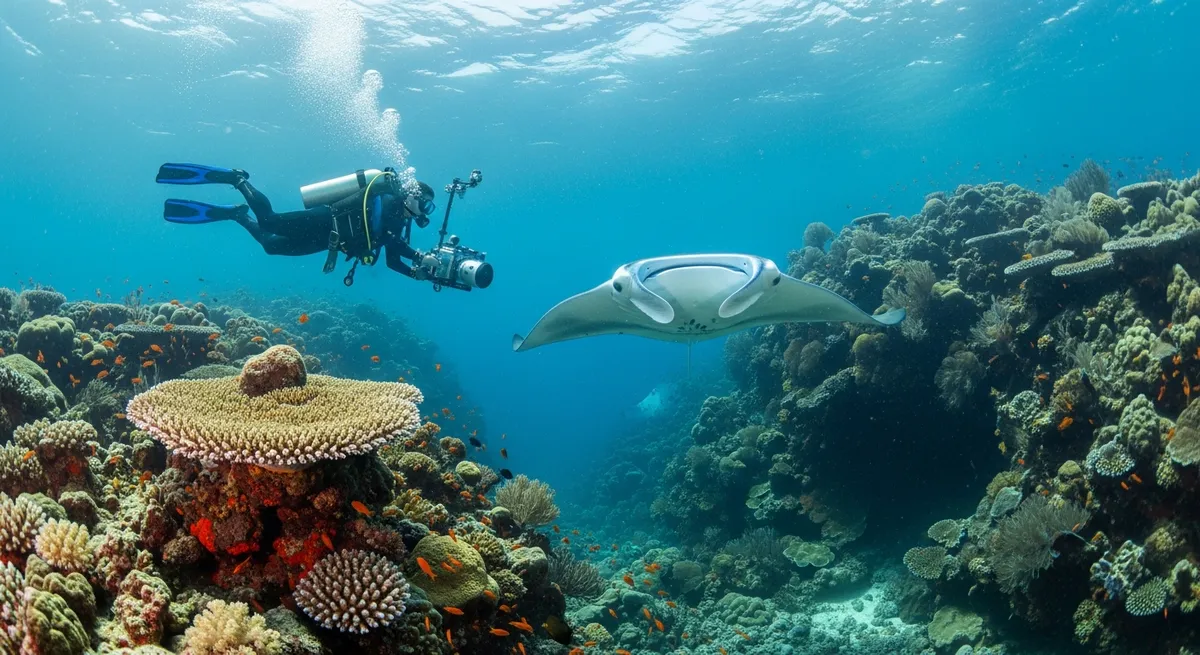

Komodo National Park's walls combine dramatic topography with nutrient-rich currents that support extraordinary biodiversity. Sites like Crystal Rock and Castle Rock feature walls buzzing with reef sharks, mantas, turtles, and dense schools of fusiliers. The currents can be strong, making these walls exhilarating drift dives for experienced divers.
Grand Cayman - North Wall
Cayman Islands
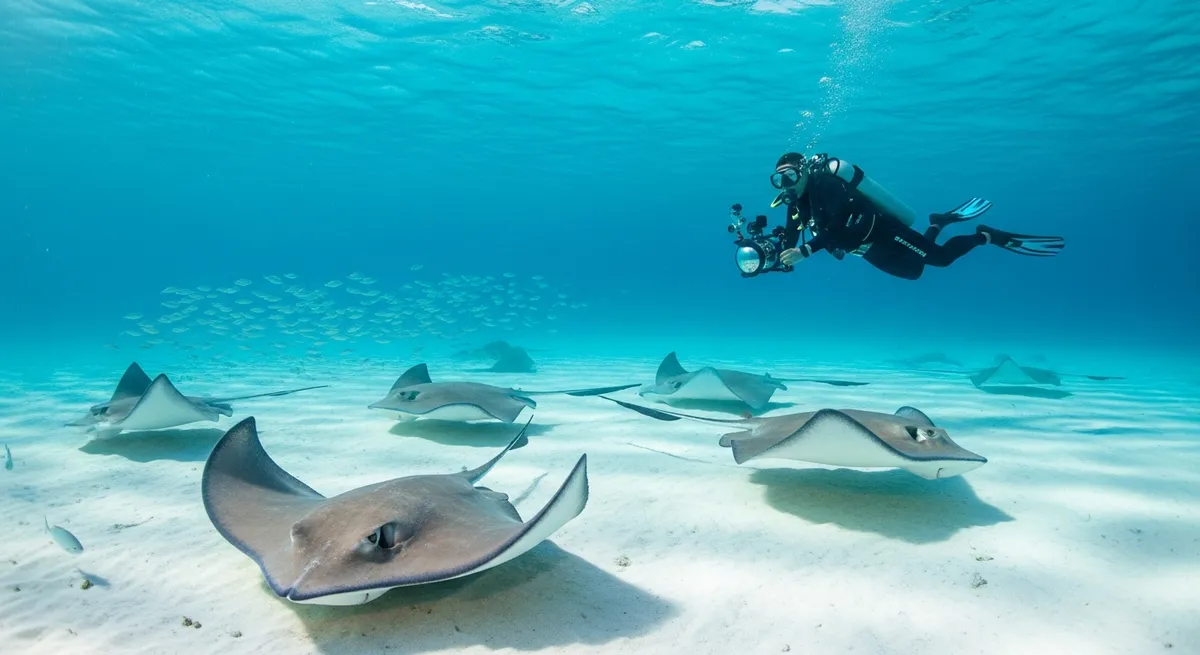
Grand Cayman's North Wall starts at around 18 metres and drops into the Cayman Trench, one of the deepest points in the Caribbean. The wall is decorated with massive sponges, sea whips, and deep-water gorgonians. Eagle rays, turtles, and reef sharks patrol the wall edge, while tiny blennies and gobies inhabit the crevices.
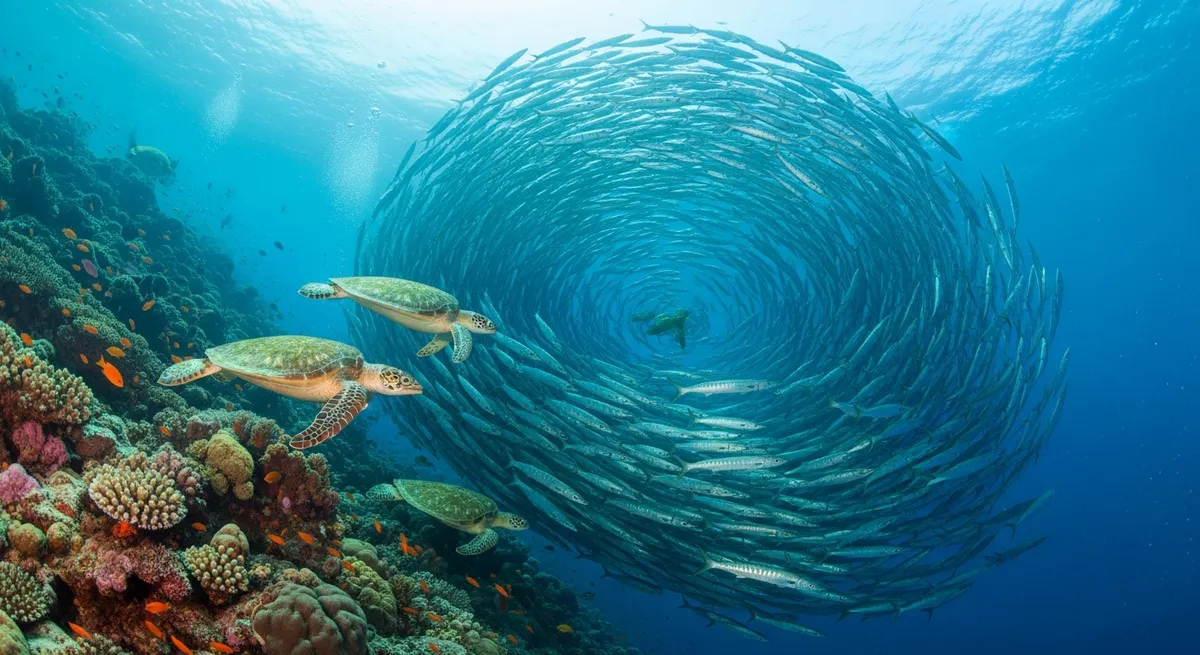

Sipadan's walls are among the richest in the Indo-Pacific. Barracuda Point features a wall where massive tornado-like formations of barracuda and jacks swirl in the current. South Point's wall delivers turtle encounters on virtually every dive. The island's vertical reef drops to over 600 metres, supporting an incredible concentration of marine life.
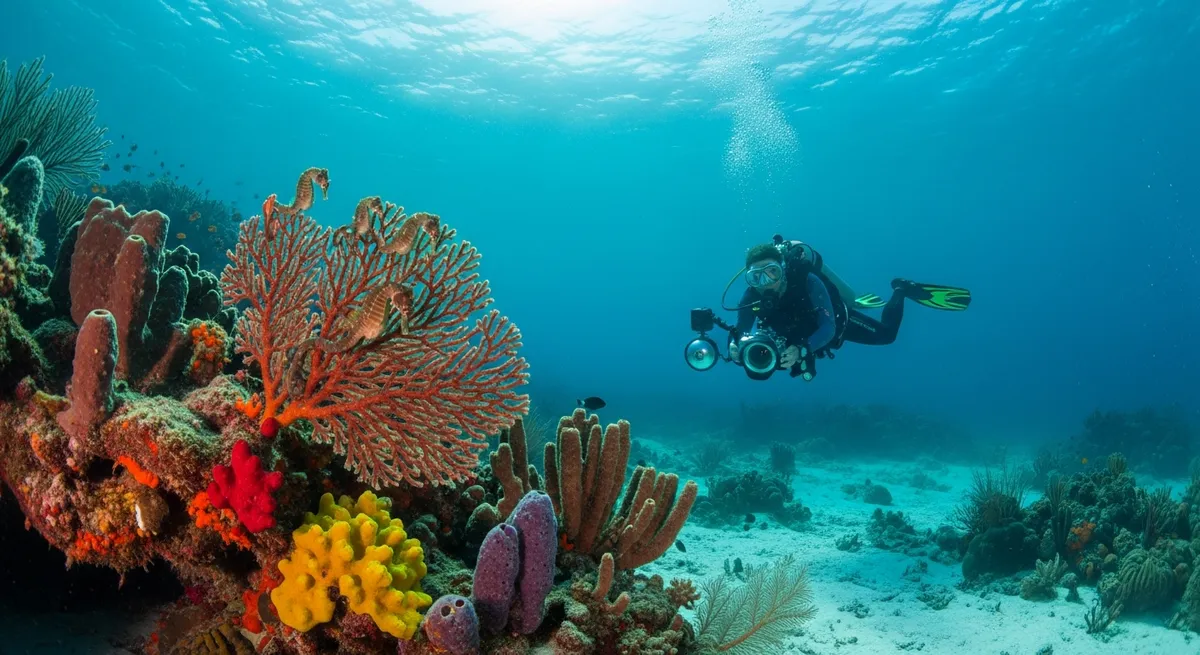

Roatán, a gem within the Mesoamerican Barrier Reef System, offers incredible sheer wall dives. Plunge alongside vibrant coral gardens and encounter abundant marine life as healthy reefs drop dramatically into the deep, providing breathtaking drift opportunities.
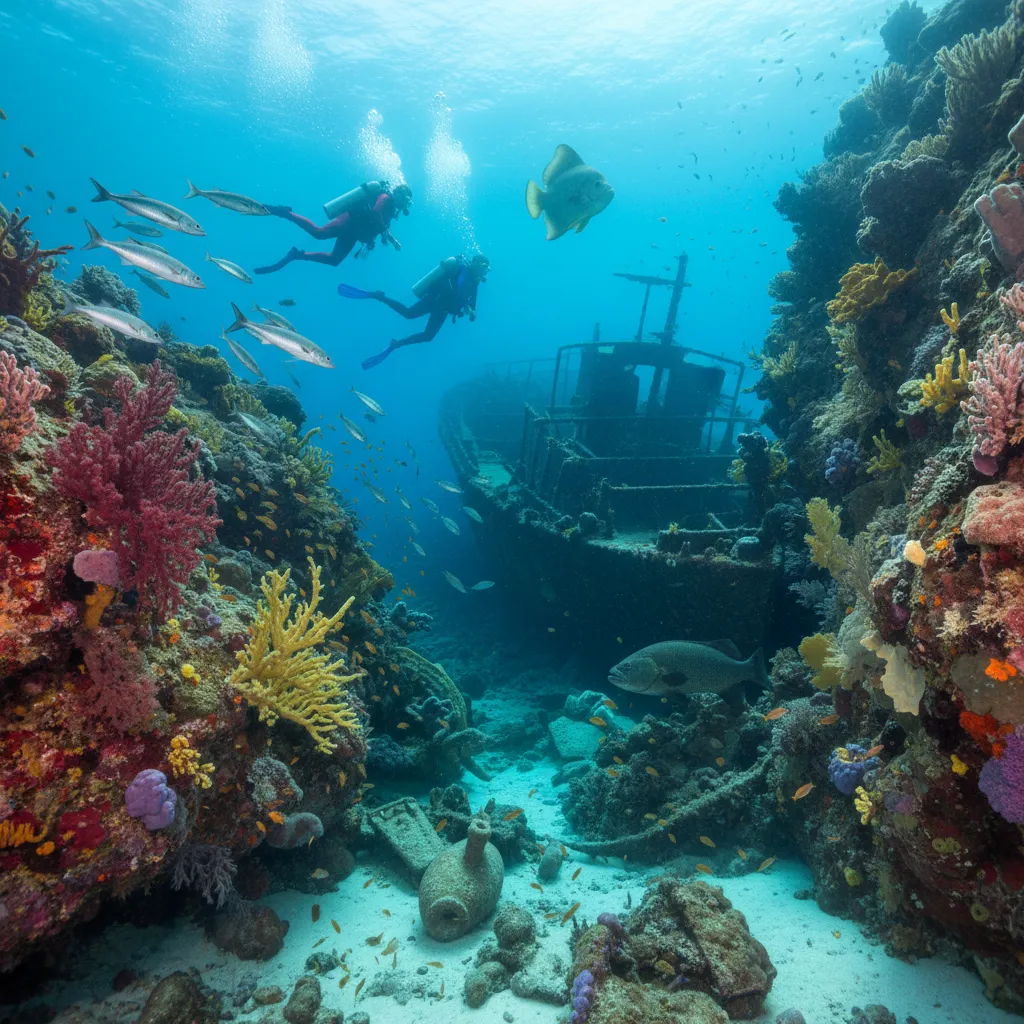

The iconic limestone cliffs of the Calanques don't just soar above the water; they plunge dramatically below, creating spectacular underwater walls. Divers explore breathtaking vertical drops adorned with vibrant gorgonians, red corals, and abundant marine life. These sites offer exhilarating wall diving in the clear, azure Mediterranean.
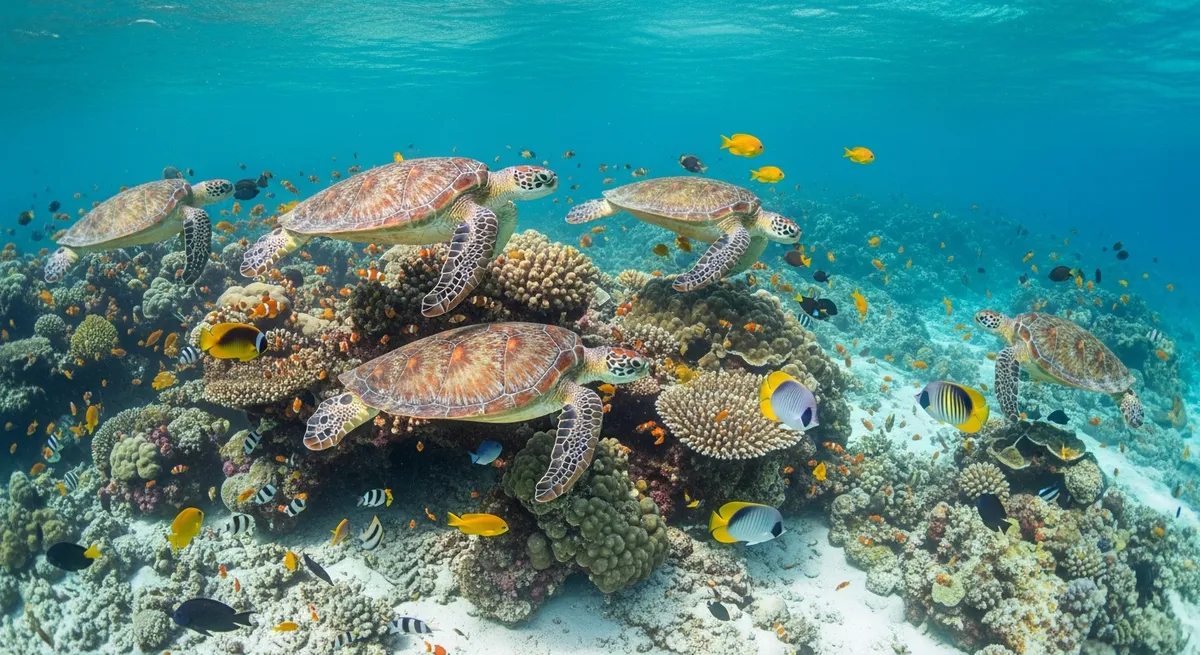
The Gili Islands offer vibrant wall dives with exhilarating drifts along vertical reefs, teeming with turtles and diverse marine life. Lombok's deeper sites also boast impressive walls, promising thrilling pelagic encounters and stunning coral formations, cementing its place among the world's best.
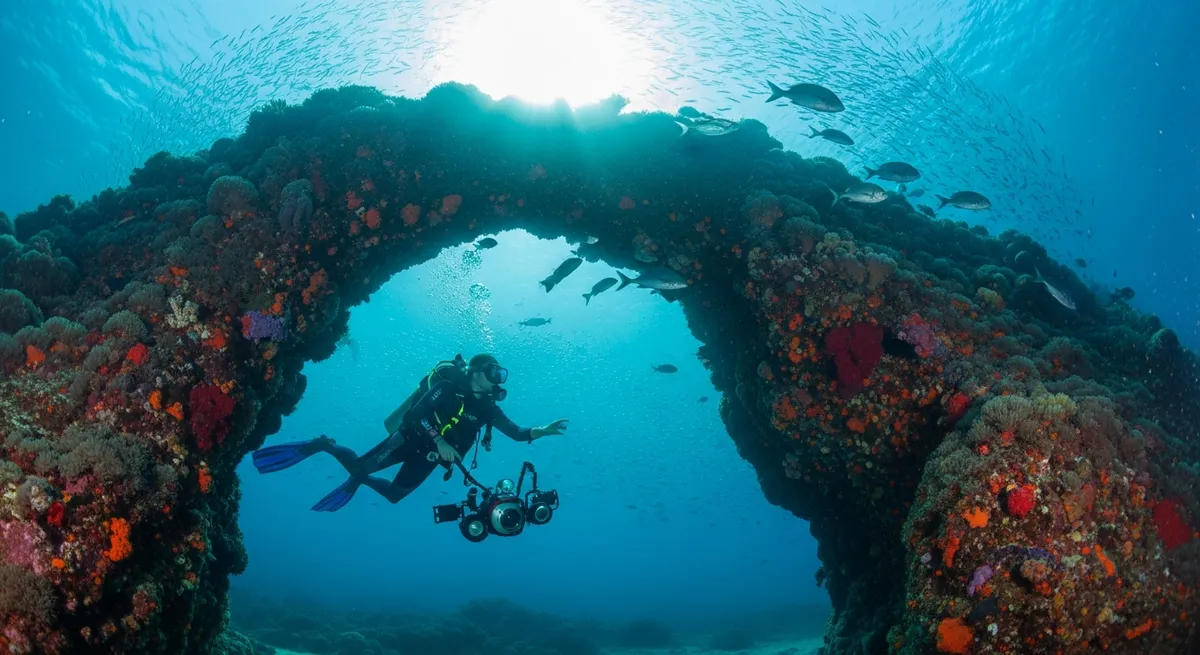

The Poor Knights Islands boast dramatic underwater walls plunging into crystal-clear subtropical waters. As a marine reserve, these vertical reefs teem with diverse life, from schooling fish to pelagics. Explore stunning drop-offs, caves, and arches, making it a premier global wall diving destination.
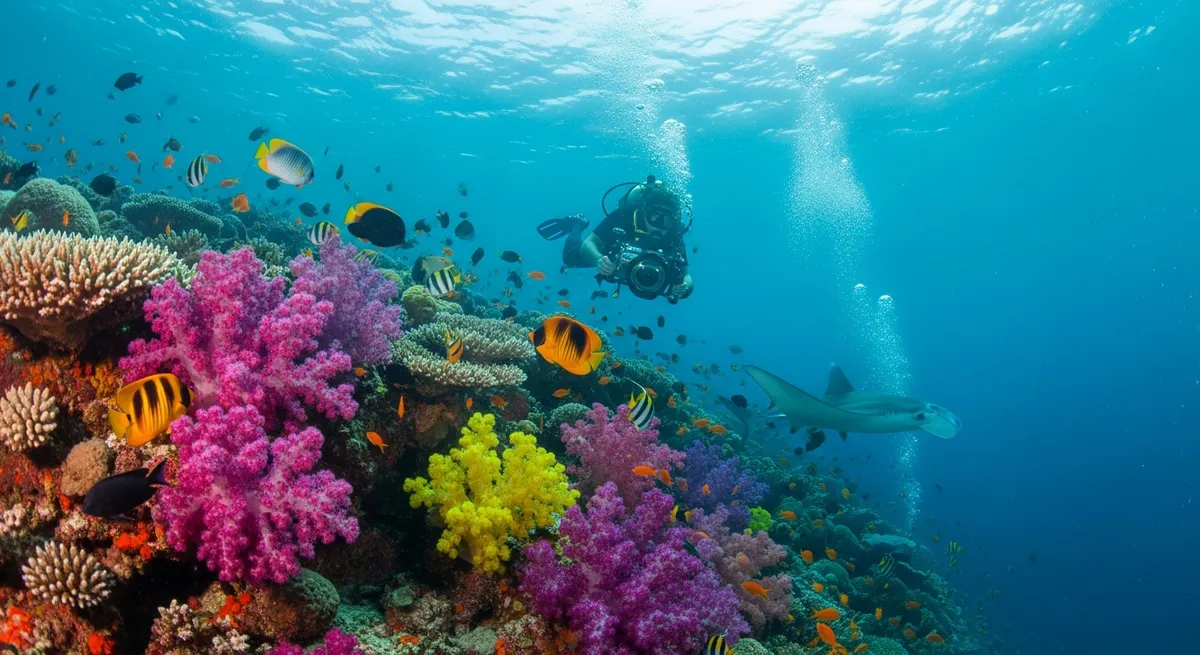
Dive into the Somosomo Strait, home to Fiji's legendary Rainbow Reef. Strong currents fuel vibrant soft coral walls, creating a breathtaking underwater spectacle. Experience an unparalleled display of color and marine life on these world-class vertical reefs.
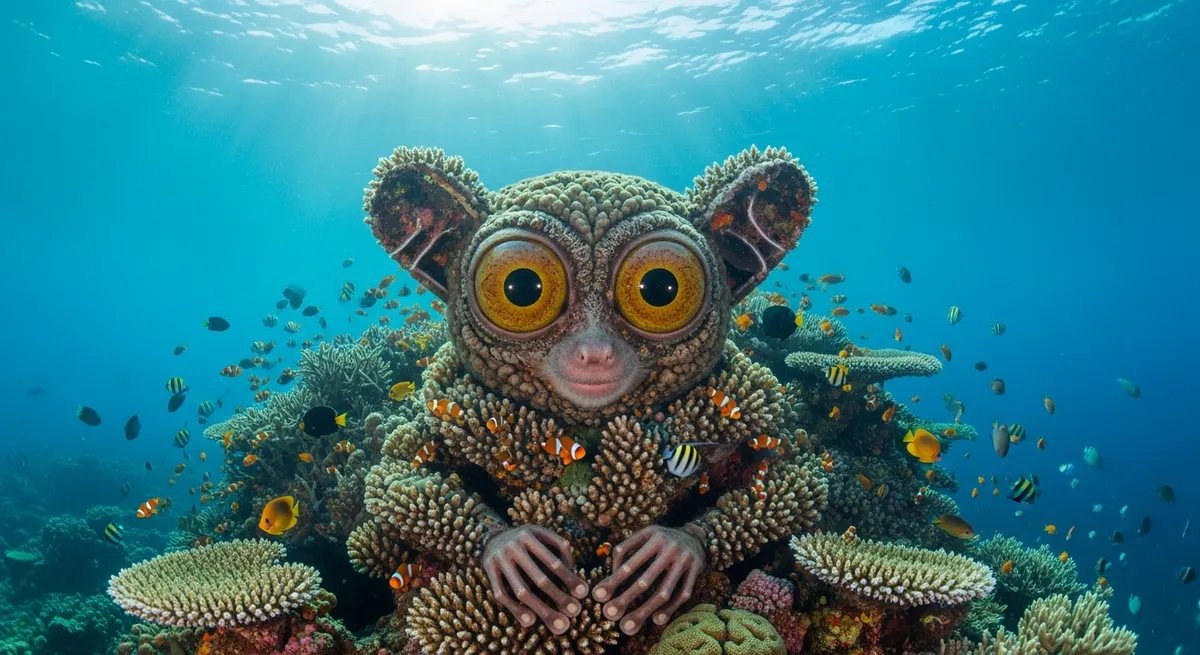

Bohol's reputation for stunning wall dives is spearheaded by world-renowned Balicasag Island, boasting breathtaking vertical reefs teeming with vibrant corals and diverse marine life. Pamilacan Island also offers dramatic drop-offs, making Bohol a prime destination for exploring spectacular underwater cliffs and pelagic encounters.
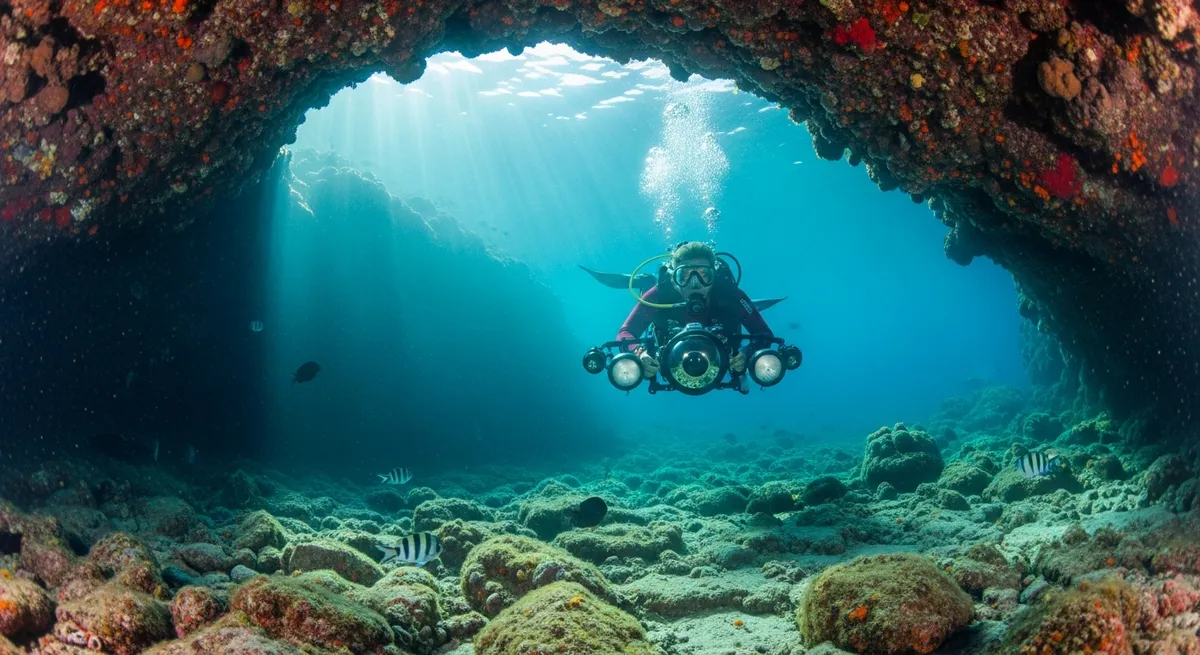

Istria's underwater landscape features captivating wall dives descending into the clear Adriatic. Explore vibrant gorgonian forests, sponges, and diverse marine life along dramatic drop-offs. Many historical wrecks also lie nestled at the base or on these fascinating walls.
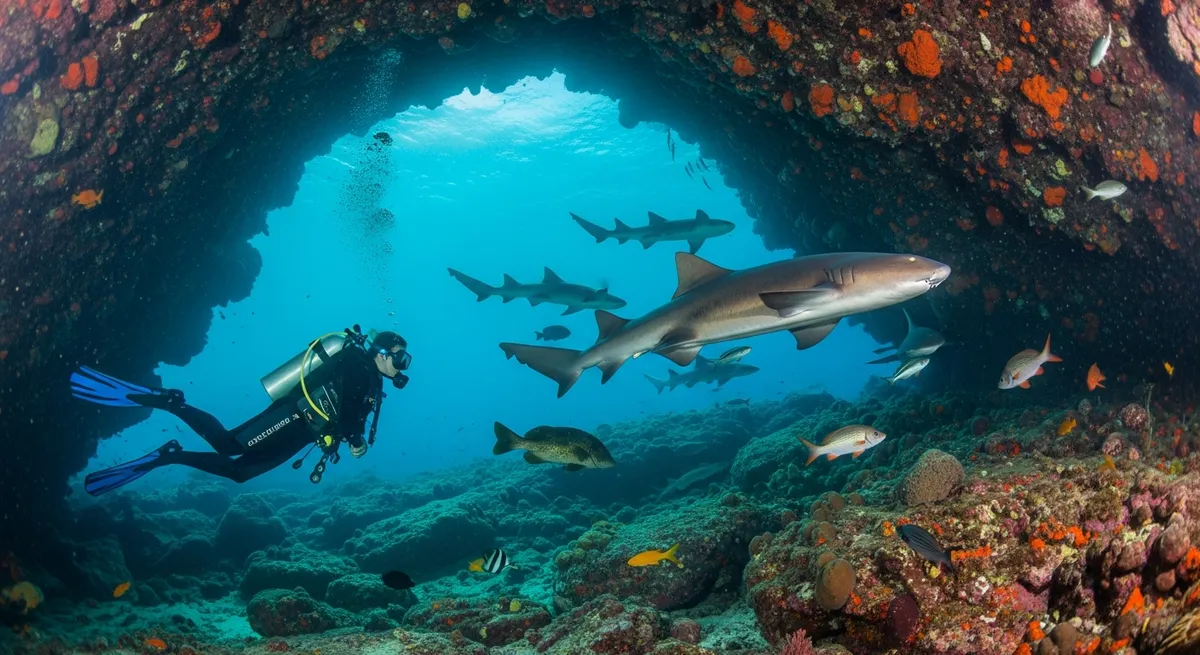

Beyond Sydney, New South Wales boasts Lord Howe Island, a UNESCO site renowned for its dramatic volcanic walls and intricate pinnacle reefs. These underwater formations teem with unique marine life, offering thrilling vertical descents into crystal-clear waters. It's a world-class wall diving paradise.
About This Collection
Wall diving is the art of flying. Unlike reef or wreck diving where you navigate a horizontal landscape, wall dives suspend you in a vertical world where the reef drops away beneath your fins into deep blue nothingness. The best wall dives in the world are found where tectonic activity, volcanic geology, or ancient reef growth has created sheer underwater cliffs - and where ocean currents deliver nutrients that support explosive marine life along the face.
The Cayman Islands are synonymous with wall diving, with the famous Bloody Bay Wall on Little Cayman dropping from 6 metres to over 1,800 metres in a single vertical plunge. Palau's Blue Corner offers a current-swept wall where grey reef sharks, Napoleon wrasse, and schools of barracuda patrol in staggering numbers. In the Caribbean, Bonaire and Curaçao serve up accessible walls directly from the shore.
Great wall dives share common features: clear water for appreciating the scale, healthy coral and sponge growth on the face, and a diversity of life from macro critters in the crevices to pelagic visitors cruising the blue. Buoyancy control is essential - the depth can creep up quickly when you are mesmerised by the view below.
Looking for more options? Best Wall Diving Destinations lists all dive sites of this type worldwide.