Sharks Tooth Kaikoura
Protected Area
Armers Beach
Why dive here
With 35+ marine species recorded in the area - including humpback whales, seahorses and sperm whales - Sharks Tooth Kaikoura offers some of Kaikōura's richest diving. Water ranges 10-17°C, warmest January, February, March.
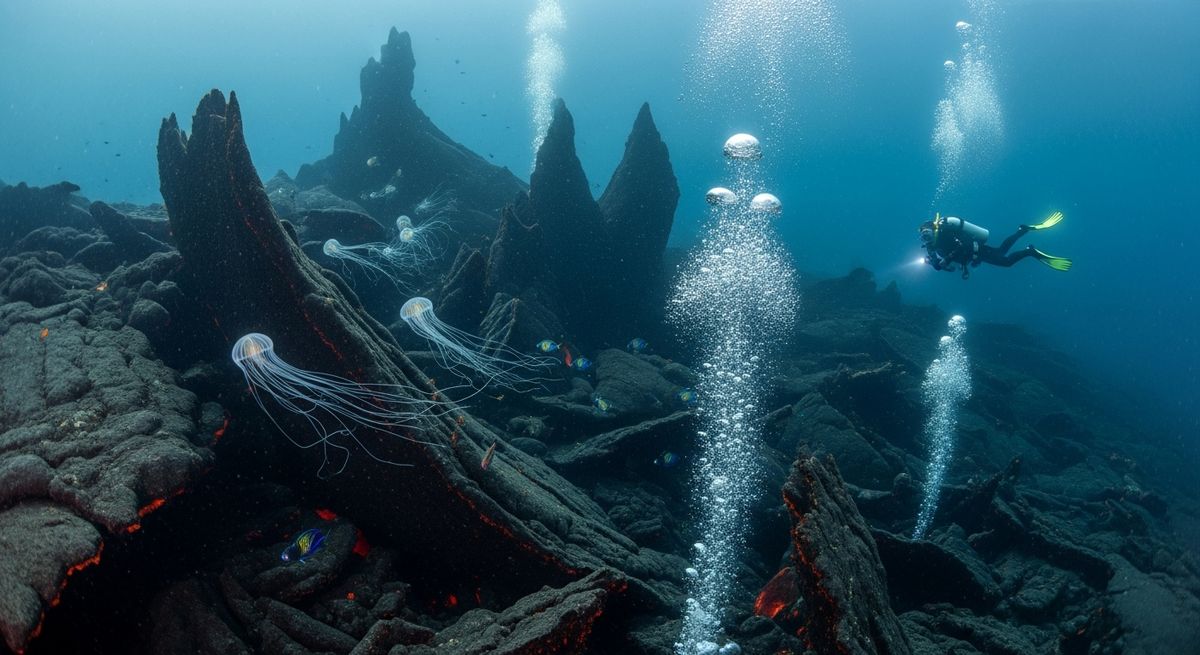
Sharks Tooth is a reliable favourite when the swell lets you get out there. We often launch from South Bay Marina, then head north up the coast a little. The maximum depth of 17 metres means you get some decent bottom time, which is lucky, because there’s plenty to look at. Visibility averages about six metres, which isn’t epic, but it’s enough to spot those playful fur seals zipping past. We love the sheer density of fish life here. You’ll weave through schools of moki and butterfish, sometimes so thick they almost obscure the reef. Octopus often peer out from rocky crevices, and you’ll inevitably find crayfish tucked away in ledges. If you’re lucky, a pod of dusky dolphins might even cruise by. It's a great spot for newer divers, but even seasoned pros will enjoy the vibrant activity. Just keep an eye on the surge; it can pick up quickly.
Safety Notes
Cold water this month (avg 12°C). Drysuit or thick wetsuit (7mm+) recommended.
Nearest Dive Centres to Sharks Tooth Kaikoura
Dive shops near Sharks Tooth Kaikoura
View all dive centres in KaikōuraReviews for Sharks Tooth Kaikoura
Conditions
Ocean conditions, forecast and tides for Sharks Tooth Kaikoura
Sharks Tooth Kaikoura Ocean Conditions
Monthly averages for Sharks Tooth Kaikoura, sourced from Open-Meteo marine data + Copernicus Marine (EU) - nearest station: Open-Meteo marine grid (-42.41, 173.71) (50km away)
October Averages
Sea Temperature
12°C
54°F · Range: 10.8–14.6°C
Current Speed
14.42 cm/s
Direction: SW (213.7°)
Chlorophyll-a
0.413 mg/m³
Moderate productivity
Salinity
35.08 PSU
Based on 4 years of monitoring data · Data sources: Open-Meteo marine data + Copernicus Marine (EU)
Plan & book
Ways to dive Kaikōura, from day trips to liveaboards.
Day trips & courses
via GetYourGuideGuided dives, courses and snorkel trips with instant booking.
Find dive trips in KaikōuraPlaces to stay
via Booking.comHotels and dive resorts near Kaikōura.
Search stays in KaikōuraDive insurance
Most travel insurance excludes or limits scuba. Check what you need before you go.
Dive insurance explainedPartner links: we may earn a commission if you book, at no extra cost to you. How we make money
Where to Stay near Sharks Tooth Kaikoura
Prices from Booking.com. We may earn a commission at no extra cost to you.