Gingers Backside
Protected Area
Ginger Island
Why dive here
With 491+ marine species recorded in the area - including barracuda, blacktip reef sharks, dolphins, dwarf minke whales and eagle rays - Gingers Backside offers some of Salt Island & Cooper Island's richest reef diving. Water ranges 27-30°C, warmest August, September, October.
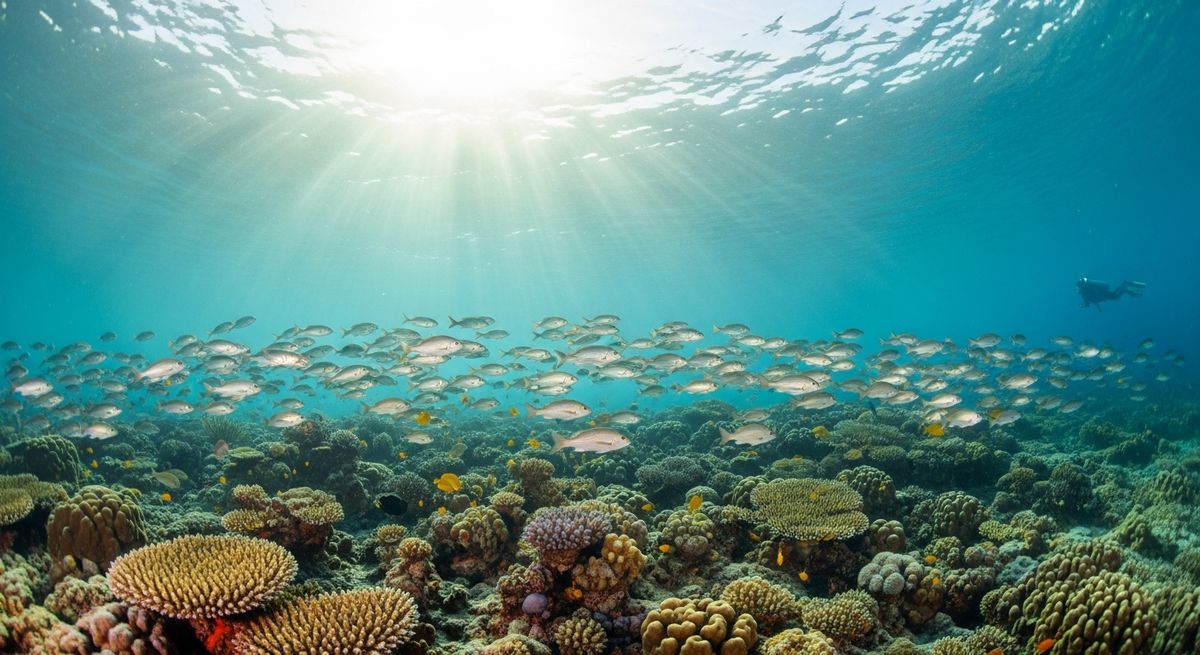
Gingers Backside, tucked into the north side of Ginger Island, is one of those spots we find ourselves returning to again and again for a chill second dive. The water here is usually flat and calm, making for a super relaxed entry and a nice, easy surface interval if you’re doing multiple dives. We love drifting along the reef, which starts shallow and slopes gently down to a sandy bottom at around 18 metres. It's a really healthy reef; the colours of the massive starlet corals catch the light in such a satisfying way. Keep an eye out for the smaller stuff – we’ve had some fantastic encounters with Greenband Gobies tucked into the coral, and the Pearl Blennies are always a treat to watch bobbing in and out of their holes. Look into the sand patches, too; we’ve spotted Saddle Stargazers burying themselves, with just their eyes poking out. You might also spot larger reef sharks cruising the deeper edges, and turtles are often munching on seagrass in the shallows. It’s a site that really suits divers who enjoy taking their time, searching for macro life, and just soaking in the calm reef atmosphere.
Typical Gingers Backside Dive Profile
Illustrative profile based on site depth and type. Actual dive profiles vary - always follow your dive computer and training.
Nearest Dive Centres to Gingers Backside
Dive shops near Gingers Backside
Sail Caribbean Divers
Turquoise Turtle Charters
Crabby's
Reviews for Gingers Backside
Conditions
Ocean conditions, forecast and tides for Gingers Backside
Gingers Backside Ocean Conditions
Monthly averages for Gingers Backside, sourced from Open-Meteo marine data - nearest station: Open-Meteo marine grid (18.37, -64.56) (2km away)
October Averages
Sea Temperature
30°C
86°F · Range: 28.9–31°C
Air Temperature
28°C
82°F
Wind Speed
7.7 m/s
15.0 knots
Atmospheric Pressure
1013.1 hPa
Based on 4 years of monitoring data · Data sources: Open-Meteo marine data
Plan & book
Ways to dive Salt Island & Cooper Island, from day trips to liveaboards.
Day trips & courses
via GetYourGuideGuided dives, courses and snorkel trips with instant booking.
Find dive trips in Salt Island & Cooper IslandPlaces to stay
via Booking.comHotels and dive resorts near Salt Island & Cooper Island.
Search stays in Salt Island & Cooper IslandDive insurance
Most travel insurance excludes or limits scuba. Check what you need before you go.
Dive insurance explainedPartner links: we may earn a commission if you book, at no extra cost to you. How we make money
Where to Stay near Gingers Backside
Prices from Booking.com. We may earn a commission at no extra cost to you.