Jeff Rocks
Protected Area
Dead Chest Island
Why dive here
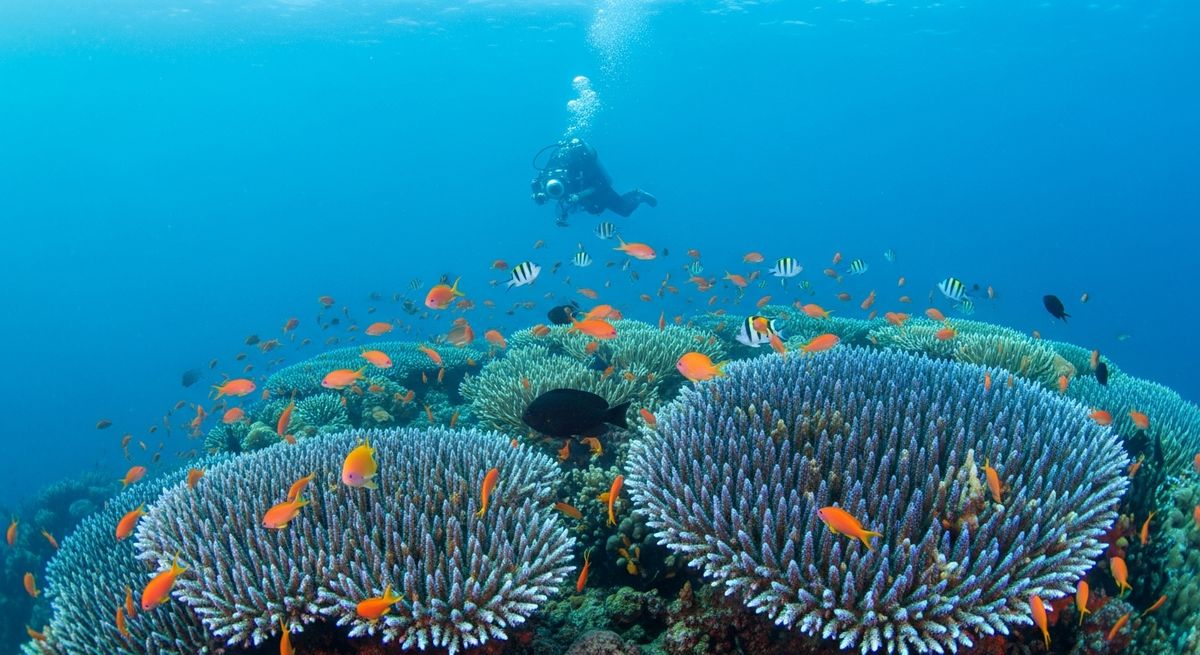
With 491+ marine species recorded in the area - including barracuda, blacktip reef sharks, dolphins, dwarf minke whales and eagle rays - Jeff Rocks offers some of Salt Island & Cooper Island's richest reef diving. Water ranges 27-30°C, warmest August, September, October.
Jeff Rocks, snuggled up against Carrot Rock, is one of those sites we always try to hit when we're in the neighbourhood. It’s not just a quick stop; it’s a proper, immersive experience. The real draw here is the architecture – those vertical rock towers and pinnacles are just stunning. We love dropping in when there's a gentle current running south; it just makes the drift along the wall feel effortless. Keep an eye on the overhangs, they’re packed with sheltering fish. We’ve seen bluestriped grunts stacked up like cordwood in there, and the collared eels are often poking their heads out, curious. Our favourite part has to be looking out into the blue. We’ve had a few incredible encounters with tarpon schools, silver flashes zipping through baitfish clouds – it’s pure theatre. At 19m max, it’s a perfect multi-level dive, giving you plenty of time to explore the crevices. It’s a site that suits divers who appreciate dramatic topography and don't mind a little current to enhance the show.
Nearest Dive Centres to Jeff Rocks
Dive shops near Jeff Rocks
Turquoise Turtle Charters
Sail Caribbean Divers
Crabby's
Reviews for Jeff Rocks
Conditions
Ocean conditions, forecast and tides for Jeff Rocks
Jeff Rocks Ocean Conditions
Monthly averages for Jeff Rocks, sourced from Open-Meteo marine data - nearest station: Open-Meteo marine grid (18.37, -64.56) (2km away)
October Averages
Sea Temperature
30°C
86°F · Range: 28.9–31°C
Air Temperature
28°C
82°F
Wind Speed
7.7 m/s
15.0 knots
Atmospheric Pressure
1013.1 hPa
Based on 4 years of monitoring data · Data sources: Open-Meteo marine data
Plan & book
Ways to dive Salt Island & Cooper Island, from day trips to liveaboards.
Day trips & courses
via GetYourGuideGuided dives, courses and snorkel trips with instant booking.
Find dive trips in Salt Island & Cooper IslandPlaces to stay
via Booking.comHotels and dive resorts near Salt Island & Cooper Island.
Search stays in Salt Island & Cooper IslandDive insurance
Most travel insurance excludes or limits scuba. Check what you need before you go.
Dive insurance explainedPartner links: we may earn a commission if you book, at no extra cost to you. How we make money
Where to Stay near Jeff Rocks
Prices from Booking.com. We may earn a commission at no extra cost to you.